


Tora Coffee Guide: History, Flavor Profile, and Authenticity
Through anecdotes, geographical locations, and meticulous customs, coffee culture continues to flourish. Because it bridges the gap between legacy and taste, one name sticks out. Tora coffee reflects its place and time, and it’s the perfect brew for quiet contemplation. This article provides a brief overview before diving into the history, storage, flavor, and authenticity of the subject. To help you grasp value, origin, and quality clearly and concisely, each component provides practical insight without using complicated terminology.
The land, climate, and labor required to grow beans vary greatly across Indonesia. Tora coffee embodies the bond in a more earthy manner. What follows is a description of the differences, aroma, and ways to identify genuine beans. Additionally, you will find out the best way to keep it fresh for a long time. Being transparent, honest, and providing relevant information for careful buying and brewing remain the goals.
Contents
What is Tora Coffee?
Farmers in the Tora mountain area of South Sulawesi grow the beans that make Tora Coffee. The area’s rich soil and steady weather make it a great place to grow beans slowly. Farmers there use careful harvesting methods, and small-scale processing preserves the flavor. The final product is a cup that is both deep and balanced. Land, not industry or mass manufacturing, is the driving force behind this coffee’s flavor.
In contrast to blended coffee, tora coffee proudly displays its origin brewing and the individuality of its farmers. Knowledge handed down over the years is crucial for growers. They are consistent because they also account for seasonal cycles. The beans exhibit distinct characteristics linked to location as a result of this method. That link clarifies why this coffee is famous in Indonesian regions.
The History of Toraja Coffee and Its Cultural Roots
Farmers in the area shape Tora Coffee by using farming methods that are based on their surroundings and the beliefs of their community. Toraja farmers have produced coffee on land that has been in their families for generations. Both rituals and trade routes helped these practices grow. Coffee made people proud of where they lived and made it easier for them to talk to each other. Careful trade networks made it possible for the beans to get notice outside of the area over time.
Cultural respect greatly influences production practices. Farmers still use conventional drying and sorting methods. These measures guard the quality of the beans and pay tribute to the past. So, Tora coffee is about more than just flavor. As a symbol of the land-farmer relationship, it stands for persistence, patience, and trust. This cultural foundation still influences production choices today.
How to Store Tora Coffee for Freshness
Flavor and aroma are preserved with the proper storage methods. To maintain its original taste and smell, Tora coffee needs special handling after purchase. Rapid deterioration occurs when exposed to moisture, light, and air. Cup quality is thus directly impacted by storage choices. You don’t need any extra equipment to stay fresh for longer if you follow these easy procedures.
Keep Tora Coffee at room temperature for the best results. The best outcomes are achieved with controlled temperature and minimal exposure. Preserving aroma can also be achieved by grinding just before brewing. Protecting the quality of your beans is easy with these simple pointers that fit into your regular practices.
- Keep contents contained in containers with tight lids and sturdy seals.
- Beans should not be exposed to direct sunlight.
- Store your Tora Coffee in a cool, dry place.
- Never refrigerate due to the risk of moisture.
- Pulverize solely before brewing.
- Make smaller purchases more frequently.
- Beans should not be exposed to harsh smells.
Differences Between Toraja Coffee and Other Indonesian Coffee
Various islands in Indonesia contribute to Indonesia’s diverse coffee styles to meet global demand. Varieties of soil and elevation give Tora coffee its distinctive flavor. A more refined taste with a subtle richness is the result of these elements. Heavy or earthier profiles could be available in other areas. Toraja beans are more commonly described as mild and mellow than spicy and smoky.
Processing procedures are also different. Tora coffee growers prefer the time-honored method of wet processing. This option bolsters clarity and scent. The employment of dry processes in the production of several other Indonesian coffees results in a more robust cup. Instead of relying solely on price or trend, these differences allow purchasers to make choices based on personal preference.
Aroma and Flavor Profile
Slow growth and meticulous processing give tora coffee its distinctive flavor. Instead of displaying extremes, the cup frequently depicts balance. Gentle sweetness, light spice, and subtle earth tones are detected by those who drink it. These notes pop up on their own, flavorless. Brewing with this beer is a stress-free experience thanks to its fresh, welcoming scent.
Toraja coffee, unlike forceful characteristics, provides consistent pleasure. The aftertaste is not bitter. Both basic procedures and hand brewing benefit from this quality. Buyers can set reasonable expectations by understanding these characteristics. Key components of fragrance and flavor are elaborated upon in the sections that follow.
Natural Undertones of Tora Coffee
The coffee’s earthy basis is its strongest point. Soil and weather conditions are reflected in these remarks. They don’t feel dirty at all. This persona embodies harmony and complexity. It goes nicely with mild sugar as well. Throughout, the earth tone remains subdued. Instead, it serves as a framework that lets other flavors shine through with every sip.
Mild Sugar
A natural sweetness emerges, free of the artificial sweetness of sugar. The texture is soft and velvety. Careful drying and the right amount of bean ripeness give them their richness. As a result, it makes drinking more pleasant. The taste is not overpowering. On the contrary, it creates a serene atmosphere ideal for leisurely mornings or peaceful afternoons.
Delicate Fragrant Flavour
Ground beans of Tora Coffee often release a subtle herbal scent when first ground. This fragrance has a light, airy quality. There is never any harsh or fake aroma. Near farms, the smell is associated with the local flora. This note gives the overall profile a breath of fresh air. It helps to counteract the cup’s darker tones as well.
Subtle Spice Hint
Occasionally, while tasting, a subtle spice note could emerge. Not hot, but warm, that’s how this spice feels. Once swallowed, the feeling gradually goes away. This finishing touch adds dimension without making the cup too intimidating. Furthermore, it mirrors the beans’ inherent diversity. Discover smarter coffee sourcing and brewing insights with FnB Tech to elevate your beverage operations today.
Nourishment Substitute
There is no lingering sour flavor. The mouth is not excessively coated. This feature allows for continuous drinking without becoming tired. Its smooth surface betrays meticulous manufacturing. Additionally, it shows that the roasting was done correctly. When brewed Tora Coffee for an extended period, drinkers often enjoy this clarity.
The Secrets to Recognizing Real Tora Coffee Beans
There are obvious physical and source indicators of authentic beans. Customers should check the product’s presentation, labels, and the seller’s honesty. Small farms or cooperatives are the usual sources for genuine Tora Coffee. They are transparent about the origins of their products. Acquiring knowledge of these indicators helps avoid deceptive goods.
Acquiring knowledge shields consumers from counterfeit mixes. Consistent size and meticulous sorting are hallmarks of genuine Toraja Coffee. Vendors usually give detailed descriptions of the harvesting process and the area visited. Authenticity can be confirmed through practical observation, as explained in the following sections.
Bean Visual Appeal
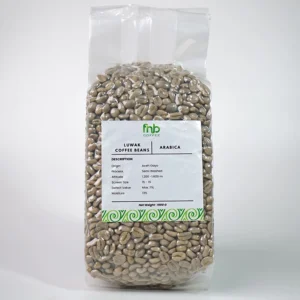
The size and color of genuine beans are consistent. There is no sign of damage or unevenness. The surface appears to be dry and clean. This uniformity results from meticulous sifting. Blending or poor handling is usually the cause of an unappealing appearance. Visual inspections provide initial assurance.
Labeling of Origin
You need to make it obvious where it came from. Packages should clearly say “Tora Coffee” or “South Sulawesi.” Using vague phrasing suggests mixing. Trustworthy suppliers give you information about the location and the height. This information makes things clearer. Watch out for labels that don’t explain what they signify.
Vendor Openness
Vendors you can trust are open about how they farm and what resources they use. They give clear answers. Their allegations are not exaggerated. Being open and honest builds trust. Vendors who thoroughly explain when and how they harvest and process crops often sell genuine products.
Roast Date Information
To ensure quality control, use fresh roast dates. Precise dates are a hallmark of real products. Aroma rapidly disappears from old beans. Including dates shows sellers care. This information helps to improve the results and assurance of the brewing process.
Cost Reliability
Prices of Tora Coffee should be reasonable and commensurate with quality. Blending is suggested by extremely low pricing. Exorbitant pricing could be based on marketing. Proper sourcing is typically accompanied by balanced pricing. It is possible to verify equity by comparing vendors.
Fragrant Pre-Brew Aroma
One way to verify is to smell the beans before brewing. The aroma of genuine beans is pure and fresh. Bad storage or old age can cause odors to become flat or stale. There is no better indicator of genuineness and high quality than aroma.
Conclusion
When it comes to regional excellence, nothing beats Tora coffee, shaped by land and history. You can check the readability by its cultural heritage, best flavor, and meticulous production. With knowledge of shelf life, taste, and authenticity, shoppers may make more informed decisions. Thanks to this information, consumers may drink each cup with certainty, not speculation.
By delving into these specifics, Tora Coffee transcends its moniker. It means cautious growing, reliable taste, and buying things you can trust. You can see the roots of each beer clearly if you treat it with respect. This method supports appreciation based on understanding rather than fashion. Upgrade your coffee strategy using FnB Tech innovations designed for modern food and beverage businesses.

I’m Tania Putri, a passionate content writer who truly loves coffee and the stories behind every cup. For me, writing isn’t just about words it’s about creating connection. I specialize in SEO-friendly content that feels natural, human, and engaging, especially in the world of specialty coffee.
I enjoy exploring everything from origin stories and flavor notes to pricing insights and global coffee trends. Whether I’m writing about rare kopi luwak or Ethiopian heirloom beans, I always aim to blend strategy with warmth. Coffee inspires me, and through my writing, I love sharing that passion with others.
Tags: artisanal coffee barista coffee coffee brewing tips coffee culture coffee lovers freshly roasted coffee gourmet coffee organic coffee premium coffee single origin coffee specialty coffee specialty coffee beans sustainable coffee Tora Coffee Tora Coffee beans Tora Coffee blend Tora Coffee Indonesia Tora Coffee online Tora Coffee shop Tora Coffee subscription