


Sumatra Peaberry: A Roaster’s Guide to a Rare Sumatra Bean
A standout single-origin coffee should taste like a place, not a template. Sumatra Peaberry often delivers exactly that; deep, earthy sweetness with a polished edge that can surprise even seasoned Sumatran drinkers.
This guide explains what peaberry coffee is, why Sumatra’s terroir and processing make the peaberry form distinctive, and how to brew it for clarity without losing its trademark weight.
Contents
- 1 What Makes Sumatra Peaberry Different?
- 2 Sumatra Peaberry Coffee 101: The One-Seed Wonder
- 3 Flavor Profile: Earthy Depth With Polished Sweetness
- 4 Where It’s Grown: Regions and Processing Styles
- 5 How It Compares to Other Peaberry Coffees
- 6 Brewing Recommendations for Clarity and Weight
- 7 Dialing In Extraction: Grind, Water, and Time
- 8 Who It’s Best For (and Who Might Pass)
- 9 Buying Guide: Choosing a Bag With Confidence
- 10 Storage: Keep Sumatra Peaberry’s Freshness Without Fuss
- 11 FAQ
- 12 Conclusion
- 13 Peaberry Coffee
What Makes Sumatra Peaberry Different?
Most Sumatra coffees are prized for dense body, herbal nuance, and steady, low acidity. The Sumatra Peaberry selection adds a tighter focus. The smaller, rounder seed often roasts and extracts with a slightly more concentrated profile, especially when the lot is carefully sorted and dried.
In many roasteries, the cup shows extra brown sugar sweetness and a cleaner finish, while keeping the familiar cocoa-and-spice backbone.
Sumatra Peaberry Coffee 101: The One-Seed Wonder
A coffee cherry usually holds two flat-sided seeds. A peaberry forms when only one seed develops, creating a rounded, often denser bean. Because shape and density affect heat transfer, many producers and mills separate peaberries during grading.
With Sumatra Peaberry, the “one-seed” structure can amplify intensity while keeping sweetness intact, an appealing mix for specialty menus that lean comforting rather than bright.
How a Peaberry Forms (and Why It Matters)
Peaberries are not a different variety; they are a natural quirk that appears in a small share of cherries. Their density can lead to:
- More even internal browning when airflow and drum speed are balanced.
- Slightly slower development at the same charge temperature.
- A concentrated extraction that highlights spice and sweetness.
Flavor Profile: Earthy Depth With Polished Sweetness
On a cupping table, Sumatra Peaberry often opens with cacao, cedar, and a damp-forest aroma, then settles into molasses-like sweetness. When the lot is clean, a quiet fruit tone can appear; think dried fig, date, or tamarind rather than sharp citrus.
Common tasting notes include:
- Aroma: cocoa nib, clove, sweet tobacco.
- Body: syrupy, rounded, almost brothy.
- Acidity: low-to-medium, smooth.
- Finish: earthy-sweet with black tea.
For espresso, the crema tends to be thick and persistent, with flavors leaning toward dark chocolate and spice. For filter brewing, slightly coarser grinding often keeps the cup from turning overly heavy.
Where It’s Grown: Regions and Processing Styles
Sumatra is a patchwork of microclimates, elevations, and smallholder networks. Many peaberry lots are collected from family farms and processed through local wet mills.
Regions frequently seen on specialty labels:
- Aceh (Gayo Highlands): aromatic, often sweeter and cleaner.
- Lintong: herbal depth, big body, savory nuance.
- Mandheling areas: rich chocolate tones, earthy spice.
Processing is the bigger lever. Wet hulling (Giling Basah) is common and helps create the signature Sumatran texture. In well-managed lots of sumatra peaberry, careful sorting and drying can keep the profile bold but not “muddy.”
Wet-Hulled vs. Washed: Why Process Changes the Cup of Sumatra Peaberry
Wet-hulled coffees often show:
- Deeper earth and spice notes
- Softer perceived acidity
- Heavier body
A fully washed Sumatra (less common) may feel brighter and lighter, with a cleaner, tea-like finish.
How It Compares to Other Peaberry Coffees
Peaberry coffees show up around the world, but origin and process drive flavor more than bean shape. Still, sumatra peaberry is often chosen for its structure: weighty body with a sweet, grounded finish.
| Origin & Style | Typical Processing | Flavor Direction | Body | Best Brew Fit |
|---|---|---|---|---|
| Sumatra peaberry | Wet-hulled | Cacao, spice, forest earth | Heavy | Espresso, French press |
| Tanzania peaberry | Washed | Black currant, citrus, floral | Medium | Pour-over, AeroPress |
| Brazil peaberry | Natural / pulped natural | Nutty, milk chocolate, soft | Medium-heavy | Espresso, moka pot |
Brewing Recommendations for Clarity and Weight
Many cafe programs aim for balanced extraction, enough to bring sweetness, not so much that earthy notes dominate.
- Pour-over (V60 or flat-bottom dripper)
- Ratio: 1:16 (18 g coffee to 288 g water)
- Water: 92–94°C
- Focus: steady pours and a clean drawdown
- French press
- Ratio: 1:14
- Steep: 4 minutes, gentle plunge
- Focus: full body and chocolate richness
- Espresso process
- Dose: 18–20 g
- Yield: 36–44 g
- Time: 26–32 seconds
Good water matters. Moderate hardness often supports body and sweetness in darker, spice-forward coffees.
Dialing In Extraction: Grind, Water, and Time
When a cup tastes “too earthy,” the issue is often over-extraction rather than the coffee itself. For Sumatra Peaberry, many baristas start by protecting sweetness first, then add strength in small steps.
A practical dialing-in order in cafés:
- Set a reasonable brew time (2:45–3:30 for many pour-overs).
- Adjust grind before ratio; a slightly coarser grind can reduce woody bitterness.
- Fine-tune temperature; dropping 1–2°C can soften herbal edges without flattening flavor.
Common troubleshooting cues:
- If the cup feels dry or tannic, shorten contact time or coarsen the grind.
- If it tastes thin, tighten the grind slightly or increase dose by 0.5–1 g.
- If sweetness is muted, check water quality and ensure coffee is not past peak aromatics.
Freshness plays a role, too. Many roasters find these coffees taste best after a short rest, often 5–10 days post roast, when gases settle and sweetness becomes clearer.
Roasting Notes for Sumatra Peaberry
In production roasting, many teams treat peaberries as their own density class. Extending Maillard can build sweetness, but pushing too far risks smoky, ashy flavors.
Useful cues:
- Keep rate of rise steady after first crack.
- Increase airflow to keep flavors clean.
- Aim for medium to medium-dark development for cacao, spice, and sweetness.
Who It’s Best For (and Who Might Pass)
Sumatra Peaberry tends to please drinkers who value texture and comfort flavors over high, sparkling acidity. It often suits:
- Espresso fans who like chocolate-forward shots
- Filter drinkers who prefer low-acid cups with weight
- Menus built around spice, cacao, and caramel notes
Those chasing bright florals or sharp citrus may prefer washed Ethiopian or Kenyan coffees.
Buying Guide: Choosing a Bag With Confidence
Quality varies across Sumatra lots, so transparency and freshness matter.
- Check the roast date (often best within 7–21 days for filter).
- Look for region and process details (Aceh, Lintong, wet-hulled).
- Read the flavor profile for both sweetness and structure (cacao, brown sugar, spice).
- Prefer clear sourcing language (co-op, farm group, exporter details).
- Buy smaller amounts to keep aromatics vivid.
Packaging details can hint at care. A one-way valve bag, clear roast date, and batch notes suggest a roaster is tracking consistency. Whole bean purchases usually hold aroma longer than pre-ground, especially for spice-forward coffees where volatile aromatics fade quickly.
For those comparing options online, looking for “grade 1” language, low defect mention, and traceable importer details can narrow the field to cleaner, more reliable lots.
Storage: Keep Sumatra Peaberry’s Freshness Without Fuss
Sumatra Peaberry can hold body well, but aromatics fade with oxygen and heat. Many roasters use simple rules:
- Store in an airtight, opaque container.
- Keep it cool and dry; avoid sunlight.
- Portion large bags to reduce repeated air exposure.
FAQ
Is this coffee naturally low in acidity?
It is often perceived as low-to-medium acidity, especially in wet-hulled lots and medium to medium-dark roasts.
Does it work for cold brew?
Yes. A slightly shorter steep can keep earthy notes from taking over, while chocolate and spice stay prominent.
What roast level suits it best?
Medium to medium-dark is common in specialty roasting, preserving sweetness while keeping the classic Sumatran depth.
Conclusion
For cafes and home brewers who enjoy depth, peaberry offers a rare mix: syrupy body, earthy spice, and sweetness that feels polished when the lot is clean. Thoughtful sourcing, balanced roasting, and controlled extraction help it shine beautifully in espresso or filter preparations, delivering comfort, structure, and lingering richness.
Secure premium Sumatra Peaberry for your roastery or cafe by ordering directly from FNB Tech. Their consistent grading, careful processing, and reliable export standards ensure dependable flavor in every shipment. Choose a trusted supplier that values quality, transparency, and long-term partnerships for your specialty coffee business growth.
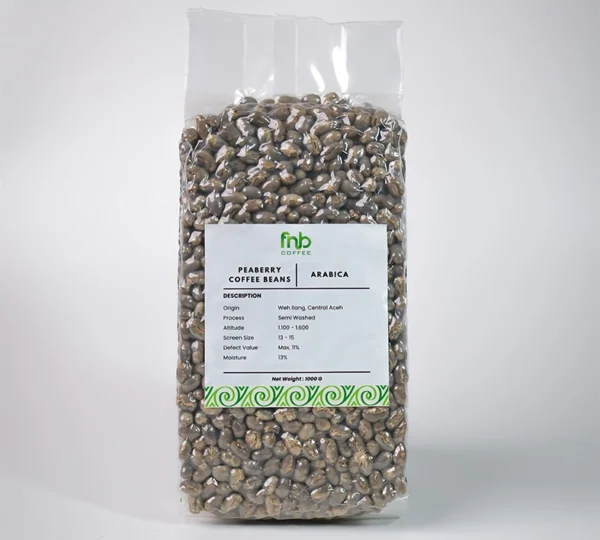
Peaberry Coffee
Note:
* The minimum purchase requirement is USD 100.
* Phyto + Quarantine only for Green Bean USD 28 per order.
Not sure yet? Get a free sample with a USD 100 deposit! Request Sample

I’m Tania Putri, a passionate content writer who truly loves coffee and the stories behind every cup. For me, writing isn’t just about words it’s about creating connection. I specialize in SEO-friendly content that feels natural, human, and engaging, especially in the world of specialty coffee.
I enjoy exploring everything from origin stories and flavor notes to pricing insights and global coffee trends. Whether I’m writing about rare kopi luwak or Ethiopian heirloom beans, I always aim to blend strategy with warmth. Coffee inspires me, and through my writing, I love sharing that passion with others.
Tags: best sumatra peaberry beans buy sumatra peaberry online fresh sumatra peaberry coffee indonesia sumatra peaberry coffee organic sumatra peaberry premium sumatra peaberry coffee single origin sumatra peaberry specialty sumatra peaberry beans sumatra peaberry sumatra peaberry arabica sumatra peaberry coffee sumatra peaberry green beans sumatra peaberry roasted beans sumatra peaberry supplier sumatra peaberry wholesale