


Sumatra Coffee Pods: Earthy Indonesian Flavor in a Handy Cup
Fast brewing does not have to mean flat flavor. Many coffee drinkers still crave the depth of Indonesian coffee; dense body, an earthy coffee flavor, and a smooth, low-acid finish. When sourcing and roasting are done well, Sumatra coffee pods can bring that signature profile to a pod machine without sacrificing character.
Contents
- 1 What Makes Sumatra Coffee Special?
- 2 Flavor Profile: Earthy, Full-Bodied, and Low In Perceived Acidity
- 3 The Wet-Hulling Process and Why It Changes the Taste
- 4 Why Sumatra Coffee Pods Taste Different From Regular Pods
- 5 Who Should Choose Sumatra Pods?
- 6 Sumatra vs. Other Origins: Quick Comparison for Pod Shoppers
- 7 Brewing Tips for the Best Cup From Pods
- 8 How to Choose High-Quality Sumatra Pods
- 9 Roasting and Freshness: Getting the Most From Pods
- 10 Pros and Cons At a Glance
- 11 Specification Table: The Typical Sumatra Profile
- 12 FAQ
- 13 Conclusion: A Bold Cup With Real Origin Character
- 14 Sumatra Mandheling Coffee
What Makes Sumatra Coffee Special?
Sumatra coffee comes from Indonesia’s island of Sumatra, where smallholder farms grow Arabica in humid highlands such as Mandheling, Lintong, and Gayo. The coffees are known for weighty mouthfeel and savory sweetness, especially when roasted toward medium-dark.
Sumatra coffee pods tend to highlight those traits because the origin’s natural heft reads clearly in a short, pressurized-style brew cycle.
Growing Conditions That Shape Flavor
- Volcanic soils can add mineral depth and a rounded finish.
- Frequent rainfall slows drying, supporting deeper, woodsy notes.
- Smallholder processing varies by village, making lot selection important.
Flavor Profile: Earthy, Full-Bodied, and Low In Perceived Acidity
In the cup, Sumatra coffee pods often lean toward cocoa, warm spice, cedar, and occasional dried-fruit sweetness. The hallmark is texture: the brew can feel syrupy, with low perceived acidity and a lingering, chocolate-leaning finish.
Many brands choose dark roast coffee pods for Sumatra because the origin can handle deeper development without turning thin. The best versions still avoid heavy smoke and ash.
The Wet-Hulling Process and Why It Changes the Taste
Much of Sumatra’s character comes from the wet-hulling process (often called “giling basah”). Producers remove parchment earlier at higher moisture then finish drying the green beans afterward.
How Wet-Hulling Works (Simplified)
- Cherries are pulped; mucilage is reduced through brief fermentation and washing.
- Parchment coffee is partially dried.
- Parchment is removed early; beans continue drying after hulling.
This method often softens brightness and reinforces earthy, savory tones. In Sumatra coffee pods, that translates to a cup that tastes richer and less sharp than many other single-origin options.
Why Sumatra Coffee Pods Taste Different From Regular Pods
Standard supermarket pods are commonly blended for broad appeal and consistency. Sumatra coffee pods are usually built to spotlight a specific origin and deliver strength without harshness, which is why they show up on “best coffee pods for strong coffee” lists.
What Quality Brands Adjust for the Capsule Format
- Dose: more coffee in the pod for fuller body
- Grind: tuned for fast, even extraction
- Roast development: medium-dark profiles that keep sweetness while staying bold
- Packaging: nitrogen flushing and strong seals to slow staling
For buyers searching Keurig compatible coffee pods, Sumatra coffee pods perform best when the machine logo is paired with the right dose, freshness, and clear origin labeling.
Who Should Choose Sumatra Pods?
Sumatra shines for drinkers who prefer body over brightness. The origin’s low perceived acidity can also suit those who find citrus-forward coffees too sharp.
Sumatra coffee pods are often a good match for:
- Fans of cocoa, spice, and earthy depth
- Milk-drink lovers who want coffee to remain present in lattes
- Anyone seeking low acidity coffee with a heavier texture
When Another Origin May Fit Better
Coffee drinkers chasing florals or sparkling fruit may prefer Ethiopian pods. Those wanting a classic caramel balance often enjoy Colombian options.
Sumatra vs. Other Origins: Quick Comparison for Pod Shoppers
Origin labels only help when the differences are clear. The table below shows why Sumatra is frequently marketed as bold and smooth among single origin coffee pods.
| Origin | Acidity | Body | Flavor Notes | Roast Suitability |
|---|---|---|---|---|
| Sumatra (Indonesia) | Low to medium | Full, syrupy | Earth, cocoa, spice, cedar | Medium-dark to dark |
| Colombia | Medium | Medium | Caramel, red fruit, nuts | Light to medium |
| Ethiopia | Medium to high | Light to medium | Floral, citrus, berry | Light to medium |
| Guatemala | Medium | Medium | Chocolate, stone fruit, clean spice | Medium |
This comparison helps explain why Sumatra coffee pods often land on “bold” recommendation lists even when caffeine is similar across origins.
Brewing Tips for the Best Cup From Pods
Small adjustments improve sweetness and reduce bitterness, especially for darker roasts. Sumatra coffee pods reward a setup that respects their heavy body.
Quick Improvements That Matter
- Selecting the smaller cup size increases concentration.
- Using filtered water helps keep earthy notes clean instead of muddy.
- Preheating the mug preserves aroma and texture.
- Descaling and cleaning reduce stale oil buildup that flattens flavor.
A Practical Dial-In Sequence
- Start at the smallest volume setting.
- If the cup tastes thin, move to a higher-dose pod.
- If bitterness dominates, increase brew volume slightly or choose medium-dark over the darkest roast.
How to Choose High-Quality Sumatra Pods
The market is crowded, and origin claims can be vague. High-quality Sumatra coffee pods usually share transparent markers that point to better sourcing and fresher roasting.
What to Look for on the Box
- A named region (Gayo, Lintong, Mandheling) or at least “Sumatra, Indonesia”
- Roast clarity (medium-dark vs. dark) rather than only “bold”
- A reasonable freshness window, not a far-off date years away
- Clear notes on compatibility for Keurig compatible coffee pods or other systems
A Short Buyer’s Checklist
- Prefer region-specific labeling and recent packaging.
- Look for tasting notes like cocoa, spice, and syrupy body, not “burnt.”
- If intensity is the goal, prioritize higher dose before the darkest roast.
Roasting and Freshness: Getting the Most From Pods
Roast level and packaging determine whether the cup tastes chocolatey or dull. Because pods are pre-ground, freshness fades faster than with whole beans, so reputable roasters lean on tight seals and quick turnaround from roast to shelf. When buying Sumatra coffee pods, a recent roast date or a clearly stated “packed on” timeline usually signals better aroma and a cleaner finish.
Why Medium-Dark Often Wins
Medium-dark roasting tends to preserve a touch of natural sweetness while still delivering the origin’s trademark depth. Very dark roasts can taste smoky in a pod brewer, especially if the machine runs hot. A balanced medium-dark profile often highlights cocoa, warm spice, and a velvety body instead of char.
Pros and Cons At a Glance
A clear-eyed decision helps match expectations to reality.
Pros
- Convenient access to a full-bodied coffee style
- Smooth, low-acid character that suits many palates
- Consistent brewing for busy routines
Cons
- Pre-ground format can go flat if packaging is weak or old
- Some “bold” pods rely on dark roasting rather than quality green coffee
- Limited nuance compared with freshly ground single origins
Specification Table: The Typical Sumatra Profile
| Attribute | Typical Sumatra Characteristic |
|---|---|
| Roast Level | Medium-dark to dark |
| Acidity Level | Low to medium (perceived) |
| Body | Full, velvety, sometimes syrupy |
| Flavor Profile | Cocoa, earth, warm spice, cedar |
| Aroma | Deep, woody, chocolate-leaning |
| Best Brewing Method | Pod brewer at smaller volume; also espresso-style brews |
When sourced well, Sumatra coffee pods can taste layered rather than merely “bold,” with sweetness that reads as cocoa and molasses.
FAQ
Are Sumatra pods always dark roast?
Many brands lean dark, but medium-dark options often show more sweetness and less smoke.
Do Sumatra pods have more caffeine?
Caffeine depends on dose and roast, not origin alone. Some sumatra coffee pods feel stronger because body and roast flavor amplify intensity.
Can pods still show origin character?
Yes. Fresh coffee, adequate dose, and clean equipment allow Sumatra’s earthy depth and low perceived acidity to remain noticeable.
What is the best way to store pods?
Pods stay freshest in a cool, dry place away from sunlight. A sealed container helps prevent odor absorption.
Conclusion: A Bold Cup With Real Origin Character
Sumatra’s reputation comes from distinctive processing and a flavor profile built around body, spice, and smoothness. With thoughtful sourcing and roast control, Sumatra coffee pods can deliver that same character in a convenient format.
Ready to elevate your daily brew with authentic Indonesian character? Choose premium Sumatra coffee from FNB Tech for verified origin, reliable freshness, and consistent strength in every cup. Sourced with transparency and crafted for bold flavor, our selections deliver depth and smooth intensity. Order from FNB Tech today and experience true Sumatra quality!
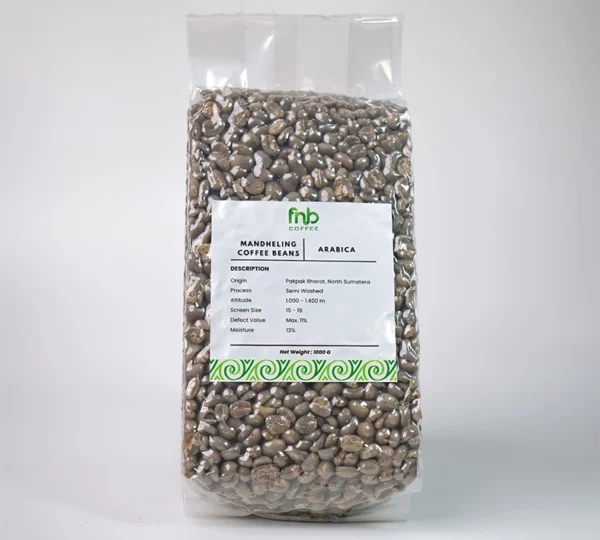
Sumatra Mandheling Coffee
Note:
* The minimum purchase requirement is USD 100.
* Phyto + Quarantine only for Green Bean USD 28 per order.
Not sure yet? Get a free sample with a USD 100 deposit! Request Sample