


Sumatra Coffee Beans: The Bold Taste That Defines Indonesia
A bag of sumatra coffee beans can smell like fresh rainforest soil, cedar, and dark cocoa before hot water hits the grounds. That bold aroma carries into the cup as a full-bodied coffee with a velvety, almost syrupy mouthfeel and an earthy coffee flavor that feels both rustic and polished.
This profile comes from three forces working together: Sumatra’s cool, misty highlands, smallholder farming, and a traditional method called Giling Basah (the wet-hulled process). The taste is distinct enough to spot in blind tastings. As a result, many drinkers reach for Sumatran coffee when they want deep sweetness, gentle brightness, and a low acidity coffee that stays smooth even when brewed strong.
Contents
- 1 What Makes Sumatran Coffee Different from Other Origins?
- 2 Where They Grow: Aceh, Lake Toba, and North Sumatra’s Highlands
- 3 Processing That Shapes the Cup: Giling Basah (Wet-Hulling)
- 4 Flavor and Aroma: Earthy Depth of Sumatra Coffee Beans
- 5 How Sumatran Coffee Compares With Other Indonesian Coffee
- 6 Buying Guide: Choosing Quality Sumatran Coffee
- 7 Brewing Advice for a Rich, Clean Cup at Home
- 8 Storage and Serving Ideas
- 9 Myths and Realities About Sumatran Coffee
- 10 Conclusion: A Bold Classic That Stays Easy to Love
- 11 FAQ
- 12 Sumatra Lintong Coffee
What Makes Sumatran Coffee Different from Other Origins?
Compared with many Central American or East African lots, sumatra coffee beans usually lean less fruity and more savory. The cup often shows bittersweet chocolate, clove, tobacco, and dried herbs, with acidity sitting quietly in the background.
Most lots come from smallholders who hand-pick cherries and mill them locally before export. That local handling keeps the island’s classic character in circulation.
Where They Grow: Aceh, Lake Toba, and North Sumatra’s Highlands
The best sumatra coffee beans come from mountain regions where cool nights slow cherry development. Slower growth can build density and sweetness.
Aceh and the Gayo Highlands
Aceh’s Gayo Highlands (often labeled “Gayo”) sit in the northwest at roughly 1,200–1,600 meters. Lots from this area can taste cleaner and more structured for Sumatra, with cocoa, citrus peel, and a tea-like herbal lift.
Lake Toba, Lintong, and Mandheling Coffee Traditions
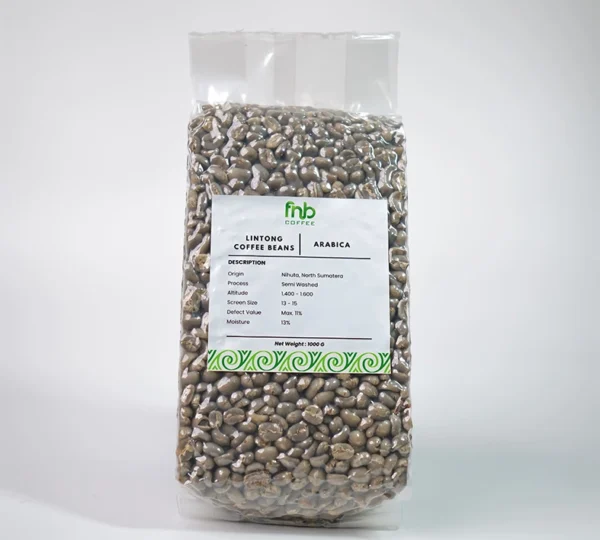
Around Lake Toba in North Sumatra, famous trade names like Mandheling coffee and Lintong (Lintong Nihuta) shaped global expectations of Sumatran coffee. These coffees often bring darker sugar sweetness, cedar, and a savory depth that lingers after the sip.
Processing That Shapes the Cup: Giling Basah (Wet-Hulling)
Much of the signature profile of sumatra coffee beans comes from Giling Basah, the local “wet-hulled process.” Producers remove parchment earlier, while beans are still moist, then finish drying the green beans after hulling.
In humid conditions, this method can speed drying and often boosts body while softening acidity.
Flavor and Aroma: Earthy Depth of Sumatra Coffee Beans
When brewed well, sumatra coffee beans can offer a layered sensory ride. The aroma often suggests damp cedar, cacao nib, and sweet spice. On the palate, flavors may move from dark chocolate to molasses to forest herbs, with a thick, rounded mouthfeel.
Because this is typically a low acidity coffee, the finish stays gentle. However, low acidity does not mean “flat.” With careful roasting and clean sorting, many lots still show lively sweetness and clear structure.
Quick Comparison of Major Sumatra Coffee Beans
| Style / Trade Name | Growing Region | Common Processing | Typical Cup Character |
|---|---|---|---|
| Gayo | Aceh highlands | Wet-hulled; some fully washed lots | Cocoa, mild citrus peel, tea-like herbs, balanced body |
| Lintong | North Sumatra near Lake Toba | Wet-hulled | Dark sugar, cedar, dried herbs, syrupy texture |
| Mandheling | Wider North Sumatra trade blend | Wet-hulled | Earth, chocolate, spice, savory depth, long finish |
How Sumatran Coffee Compares With Other Indonesian Coffee
Indonesia offers many distinct cups, and sumatra coffee beans are only one part of that broader landscape. Java coffees often feel smoother and “classic,” with gentle spice and cocoa. Sulawesi can be sweeter and cleaner, sometimes with dried fruit and nut notes.
Sumatra usually reads deeper and more savory. In addition, wet-hulling process is far more common here than fully washed processing, which helps explain why it tastes different even within Indonesian coffee.
Why Many Drinkers Keep Returning to Sumatra Coffee Beans
- Full-bodied coffee texture that holds up in milk drinks
- A bold, earthy coffee flavor without sharp sourness
- Reliable performance in immersion brews like French press
- A base note that blends well with brighter coffees
- A comforting profile for late-afternoon cups
Buying Guide: Choosing Quality Sumatran Coffee
A great cup starts with smart shopping. sumatra coffee beans are sold under many labels, so the bag should give clues beyond a catchy name. Roasters who share region, cooperative, and processing details tend to offer more consistent lots.
Freshness matters too. Most coffees taste best within weeks of roasting, especially when the goal is sweetness and aroma. Transparent sourcing supports the smallholders behind the coffee.
What to Look for on the Bag
- Region names such as Aceh (Gayo), Lintong, or Lake Toba
- Processing terms like wet-hulled process or “Giling Basah”
- A clear roast date (not only a “best by” date)
- Traceability notes (co-op, village, or mill)
- Whole bean options for better aroma retention
Roast Level: Matching Flavor Goals
Medium roasts often highlight cocoa sweetness and spice while staying clean. Medium-dark roasts can amplify smoky chocolate and earth. Very dark roasts may flatten origin character, so many specialty roasters avoid pushing sumatra coffee beans too far.
Brewing Advice for a Rich, Clean Cup at Home
Dialing in sumatra coffee beans is often straightforward because the acidity is naturally softer. Still, the brew method decides what takes center stage: chocolate and body, or herbs and spice.
Filtered water and a medium grind are reliable starting points. Then one variable can be adjusted at a time.
A Reliable French Press Method
- Heat water to about 93–96°C and pre-warm the press.
- Use a ratio near 1:15 (for example, 30 g coffee to 450 g water).
- Pour all water, stir gently, and cover without plunging.
- Steep 4 minutes, skim foam, then steep 1 more minute.
- Plunge slowly and serve right away.
For more clarity than french press, a brewer can use pour-over with a slightly finer grind. For extra punch, AeroPress or moka pot can intensify chocolate and spice.
Storage and Serving Ideas
To keep sumatra coffee beans tasting lively, storage should limit oxygen, heat, and moisture. An airtight container in a cool cupboard works well. For longer holding, freezing can help when beans are sealed tightly and portioned to avoid repeated thawing.
On the table, these coffees pair naturally with dark chocolate, toasted nuts, cinnamon pastries, and savory breakfasts.
Myths and Realities About Sumatran Coffee
Some shoppers assume all sumatra coffee beans are “muddy.” That can happen with poor sorting or harsh roasting, but it is not a rule. Clean lots can taste sweet and structured, with clear cocoa and spice.
Sumatra also does not require a very dark roast. Many roasters choose medium or medium-dark profiles to keep sweetness while honoring the island’s earthy depth.
Conclusion: A Bold Classic That Stays Easy to Love
For drinkers who crave depth without sharpness, sumatra coffee beans remain a dependable favorite. Their signature is tied to real placesM Aceh’s Gayo Highlands and the Lake Toba region plus the time-tested Giling Basah tradition that shapes aroma and body.
For the finest Sumatra experience, start with carefully sourced beans from FNB Tech and keep your brewing simple and precise. Choose a fresh roast, grind just before brewing, and use clean water to highlight sweetness and signature savory depth. With the right beans and method, every cup becomes comforting, bold, and beautifully balanced. Order now only from FNB Tech!
FAQ
What does Sumatran coffee usually taste like?
Many cups show dark chocolate, sweet spice, dried herbs, and a rounded earthy depth. The mouthfeel is often syrupy, and acidity stays soft.
Is the wet-hulled process the same as fully washed?
No. Wet-hulling removes parchment earlier, while beans are still moist. Fully washed coffees dry in parchment longer, which often creates brighter, cleaner flavors.
Which brew method highlights body best?
Immersion methods such as French press and AeroPress tend to emphasize texture and chocolate notes. Pour-over can highlight herbal clarity and sweetness.
Sumatra Lintong Coffee
Note:
* The minimum purchase requirement is USD 100.
* Phyto + Quarantine only for Green Bean USD 28 per order.
Not sure yet? Get a free sample with a USD 100 deposit! Request Sample

I’m Tania Putri, a passionate content writer who truly loves coffee and the stories behind every cup. For me, writing isn’t just about words it’s about creating connection. I specialize in SEO-friendly content that feels natural, human, and engaging, especially in the world of specialty coffee.
I enjoy exploring everything from origin stories and flavor notes to pricing insights and global coffee trends. Whether I’m writing about rare kopi luwak or Ethiopian heirloom beans, I always aim to blend strategy with warmth. Coffee inspires me, and through my writing, I love sharing that passion with others.
Tags: arabica sumatra beans best sumatra coffee brands buy sumatra coffee beans online gayo sumatra coffee indonesian sumatra coffee organic sumatra coffee beans premium sumatra coffee single origin sumatra coffee sumatra coffee beans sumatra coffee wholesale sumatra dark roast coffee sumatra green coffee beans sumatra luwak coffee sumatra mandheling coffee sumatra specialty coffee