


Peaberry Coffee vs Arabica: Key Differences You Should Know
Choosing coffee beans shouldn’t feel like guessing. When shoppers compare peaberry coffee vs arabica, they’re usually trying to answer one practical question: Which one will taste better in my brewer and fit my budget? Both can produce excellent cups, but they’re not the same product. “Arabica” refers to a coffee species (Coffea arabica) known for smooth, aromatic profiles. “Peaberry” refers to a bean shape mutation (a single round seed instead of two flat seeds) that can occur in many coffees, including Arabica.
That’s why the best buying decision comes from understanding what each term really means, how flavor and caffeine differ in real life, and what to look for on a product page. This guide breaks down peaberry coffee vs arabica from a shopper’s perspective, so you can choose confidently, whether you want a daily drinker or a specialty bag worth the premium.
Contents
- 1 Quick Buyer Takeaway
- 2 What Is Peaberry Coffee (and What Is Arabica)?
- 3 Flavor and Aroma: What You’re Really Paying For
- 4 Which Has More Caffeine: Peaberry Coffee vs Arabica?
- 5 Price and Value: Why Peaberry Often Costs More
- 6 Roast Performance and Consistency at Home
- 7 Best Brewing Methods for Each Choice
- 8 What to Look for When Buying Online (Buyer Intent Checklist)
- 9 Who Should Buy Peaberry, and Who Should Buy Arabica?
- 10 Final Verdict: Peaberry Coffee vs Arabica (Which Is Better?)
- 11 Peaberry Coffee
Quick Buyer Takeaway
If you want unique lots, a dense mouthfeel, and a more “focused” cup, go for peaberry. If you want consistent availability, wide flavor choices, and reliable value, Arabica is usually the safer everyday purchase. The real trick: many peaberries are Arabica peaberries, meaning you can get both benefits in one bag, if the seller labels it clearly. That’s the key context buyers often miss when shopping peaberry coffee vs arabica.
What Is Peaberry Coffee (and What Is Arabica)?
To shop smarter, you need definitions that match how coffee is sold online.
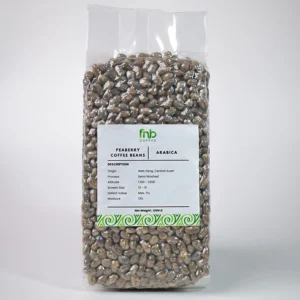
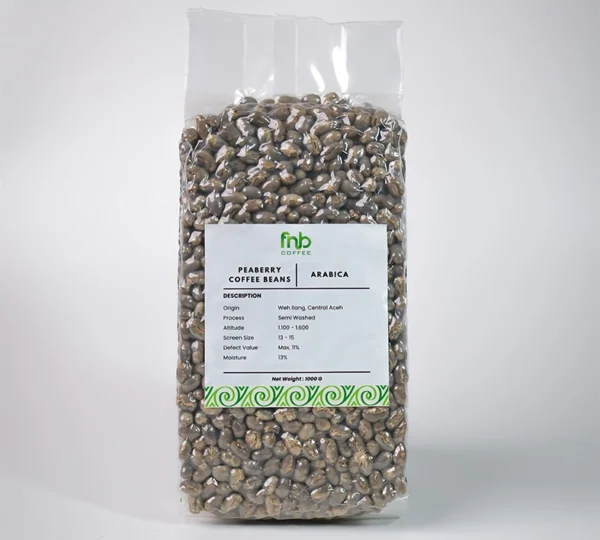
Peaberry coffee: a coffee bean that forms when a cherry produces one seed instead of the usual two. The result is a small, round bean that can roast differently due to its shape and density. Peaberry can occur in Arabica or Robusta.
Arabica coffee: a coffee species known for smoother flavors, higher perceived sweetness, and aromatic complexity. Many specialty coffees are Arabica.
So, when customers compare peaberry coffee vs arabica, they’re often comparing a shape type to a species type. The most accurate comparison is usually: peaberry lot vs standard flat-bean lot (often Arabica), and the buying criteria should reflect that.
Flavor and Aroma: What You’re Really Paying For
Most buyers start with taste. In the debate of peaberry coffee vs arabica, flavor differences come down to roast behavior and origin, not just “rarity.”
Peaberry flavor (common experience)
Peaberry lots often taste:
- more concentrated or “tight” in structure
- smooth-bodied with a rounded mouthfeel
- balanced, sometimes with deeper cocoa, spice, or fruit clarity depending on origin
Because the bean is round, roasters can sometimes achieve a more uniform roast, leading to a cohesive cup.
Arabica flavor (common experience)
Arabica is famous for:
- floral and fruity notes (in many origins)
- gentle acidity and sweetness
- wide variety from chocolatey to citrusy to tea-like
If you like exploring different origins, Arabica gives you the biggest menu of flavors, one reason many daily buyers lean toward Arabica when choosing peaberry coffee vs arabica.
Buyer tip: Don’t rely on “peaberry” alone as a flavor promise. Look for origin notes like Ethiopia, Kenya, Java, or Tanzania, and processing styles like washed or natural.
Which Has More Caffeine: Peaberry Coffee vs Arabica?
Caffeine is not as simple as “one is stronger.” For shoppers comparing peaberry coffee vs arabica, what matters is species + dose + brew method.
- Arabica generally contains less caffeine than Robusta (in most real-world comparisons).
- Peaberry can occur in either species, so caffeine depends on what kind of peaberry it is.
However, peaberry beans are often denser. If you measure coffee by scoops (volume), a scoop of peaberry may contain slightly more coffee mass than flat beans, which can feel stronger. If you measure by grams, differences shrink.
Buyer tip: If you’re caffeine-sensitive, choose a seller that lists the species and roast level and brew with a scale. That’s the most consistent way to compare peaberry coffee vs arabica.
Price and Value: Why Peaberry Often Costs More
Price is where the comparison becomes very real. In peaberry coffee vs arabica, peaberry bags frequently cost more for three reasons:
- Lower yield
Peaberries are a small fraction of the harvest, so supply is limited. - Extra sorting
Peaberries must be separated from flat beans after processing, which adds labor and time. - Specialty positioning
Many sellers market peaberry as a micro-lot or premium selection, which increases pricing.
Arabica, on the other hand, is widely grown and available at many quality levels. You can find excellent Arabica at reasonable prices because supply is larger and grading systems are standardized.
Buyer tip: If a peaberry bag is significantly more expensive, check whether you’re also getting better origin transparency (farm/region/process) and a fresh roast date. That’s how you judge true value in peaberry coffee vs arabica.
Roast Performance and Consistency at Home
Home brewers care about repeatability. When comparing peaberry coffee vs arabica, note how roast can behave in the grinder and brewer.
Why peaberry can feel “consistent”
- Round beans can roast evenly in some profiles
- Dense beans can produce a syrupy, stable extraction
- Cups can taste cohesive even with small recipe changes
Why Arabica can be easier for everyday drinking
- Wide roast availability (light to dark)
- Predictable flavor across popular origins
- Easier to replace your favorite bag when it sells out
If you’re brewing daily and don’t want surprises, Arabica is often the practical winner in peaberry coffee vs arabica.
Best Brewing Methods for Each Choice
Your brewer matters more than most people think.
If you prefer peaberry
Peaberry often shines with:
- AeroPress (punchy, sweet, controlled)
- Pour-over (clean clarity, structured cup)
- Espresso (when roasted for it, dense body and syrup notes)
If you prefer Arabica
Arabica performs beautifully with:
- Pour-over (high clarity and aromatics)
- Drip machine (consistent and easy)
- French press (sweetness and body, depending on roast)
If your goal is “one bag that works in everything,” many shoppers choose Arabica, another reason the market comparison of peaberry coffee vs arabica often favors Arabica for general households.
What to Look for When Buying Online (Buyer Intent Checklist)
When shopping, ignore vague hype and look for proof. This checklist helps you buy the right product whether you choose peaberry or Arabica.
1) Clear labeling
- “Peaberry” should be paired with origin + processing
- “Arabica” should be paired with origin + roast style
2) Roast date
Freshness matters. Choose recently roasted beans whenever possible.
3) Origin transparency
Look for region or farm details, not just “premium beans.”
4) Processing method
Washed, natural, honey, these change flavor more than most marketing claims.
5) Your intended brew method
Choose beans roasted for espresso if that’s your main use.
This is how you make a smart decision in peaberry coffee vs arabica without relying on buzzwords.
Who Should Buy Peaberry, and Who Should Buy Arabica?
If you’re still deciding, use these simple buyer profiles.
Buy peaberry if you want:
- a specialty experience that feels “different”
- a cohesive flavor structure and dense mouthfeel
- limited lots you can’t find everywhere
- a premium gift bag for coffee lovers
Buy Arabica if you want:
- dependable daily coffee at many price points
- broad origin variety (fruity, floral, chocolatey, nutty)
- easier restocking and consistent availability
- smooth, approachable flavor for multiple drinkers
For most households, the best answer in peaberry coffee vs arabica is: Arabica for everyday, peaberry for occasions or buy Arabica peaberry when you find a trustworthy seller.
Final Verdict: Peaberry Coffee vs Arabica (Which Is Better?)
“Better” depends on your goal. If you want dependable value and broad choice, Arabica wins. If you want rarity, density, and a distinctive cup structure, peaberry is worth trying. The smartest approach is to buy based on origin, processing, roast date, and your brew method, not just the label.
Discover premium peaberry and arabica blends now by visiting FnB Tech, where you can experience unmatched Indonesian coffee excellence, rich aroma, and exceptional flavor crafted by experts. Explore a carefully curated selection designed for true coffee enthusiasts seeking quality and authenticity. Only from FNB Tech where you can find a remarkable brewing journey that elevates every cup you create at home each day.

I’m Tania Putri, a passionate content writer who truly loves coffee and the stories behind every cup. For me, writing isn’t just about words it’s about creating connection. I specialize in SEO-friendly content that feels natural, human, and engaging, especially in the world of specialty coffee.
I enjoy exploring everything from origin stories and flavor notes to pricing insights and global coffee trends. Whether I’m writing about rare kopi luwak or Ethiopian heirloom beans, I always aim to blend strategy with warmth. Coffee inspires me, and through my writing, I love sharing that passion with others.
Tags: arabica bean structure arabica coffee origins arabica coffee profile arabica coffee varieties arabica vs peaberry flavor peaberry bean benefits peaberry coffee characteristics peaberry coffee comparison peaberry coffee guide peaberry coffee quality peaberry coffee vs arabica peaberry processing methods peaberry roasting differences peaberry vs arabica beans peaberry vs arabica brewing peaberry vs arabica caffeine content peaberry vs arabica taste test premium arabica beans specialty peaberry coffee