


Peaberry Bean vs Regular Coffee: Flavor & Roast Explained
Coffee lovers who want a cup that feels lively but still smooth often end up searching for the peaberry bean. It’s known for a clean, balanced profile and a satisfying body that works across pour-over, espresso, and immersion brews.
Contents
- 1 What Is Peaberry Coffee?
- 2 Peaberry vs Regular Coffee Beans
- 3 Why Shape Can Change Flavor
- 4 Where Peaberries Come From
- 5 Regions Known for High-Quality Peaberries
- 6 How to Buy Peaberry Coffee Without Guessing
- 7 Brewing Guide: Dependable Starting Recipes
- 8 Dial-In Table: Fix Common Taste Problems Fast
- 9 How to Identify Authentic Peaberry Lots
- 10 Storage Tips to Keep the Flavor Fresh
- 11 FAQ
- 12 Conclusion
- 13 Peaberry Coffee
What Is Peaberry Coffee?
A coffee cherry usually develops two seeds that press against each other and become “flat beans.” Sometimes, only one seed develops. That single seed becomes rounder and denser, and when it’s separated during sorting, it’s sold as a peaberry bean. This is a natural variation, farmers can’t reliably “grow” peaberries on demand, so peaberry lots are typically limited.
Quick Snapshot for Buyers
- What it is: a naturally round, single-seed coffee
- Why it’s special: often roasts evenly and cups clean
- Who it’s for: drinkers who like clarity + smooth body
Peaberry vs Regular Coffee Beans
The biggest difference is shape, but shape affects roasting and extraction. Many roasters say a peaberry bean can be easier to develop evenly because heat circulates around a more uniform surface.
| Feature | Peaberry Lot | Regular Flat Bean Lot |
|---|---|---|
| Shape | round/compact | flatter/oval |
| Sorting | separated after processing | standard grading |
| Roasting behavior | often more even | can vary by bean size/shape |
| Cup feel | cohesive, structured | depends heavily on lot + roast |
Why Shape Can Change Flavor
Because peaberries are compact, they often absorb heat in a steady way during roasting. That can help highlight sweetness and clarity without creating sharp edges. Roasters like working with a peaberry bean when they want predictable development and a clean finish that doesn’t taste “baked” or dull.
Where Peaberries Come From
Peaberries can occur in most coffee-growing countries, but they usually represent a small fraction of any harvest. After processing, producers separate peaberries using screens, density tools, and sometimes manual sorting. Since selection and handling matter, a well-sorted peaberry bean lot is usually paired with clear origin details and careful post-harvest practices.
Regions Known for High-Quality Peaberries
Peaberries show up worldwide, but some origins are especially popular in specialty coffee. Use this table to pick a profile that matches your taste and brew style.
| Origin | Typical Tasting Notes | Acidity | Body | Best Brew Methods |
|---|---|---|---|---|
| Tanzania | bright citrus, sweet finish | medium | medium | pour-over, AeroPress |
| Kenya | crisp, complex, berry/citrus | medium-high | medium | pour-over, batch brew |
| Ethiopia | floral, berry, tea-like | medium | light-medium | pour-over, siphon |
| Brazil | nutty, cocoa, low bite | low-medium | medium-full | espresso, milk drinks |
| Guatemala | chocolate, soft spice | medium | medium | espresso, pour-over |
| Hawaii | clean, sweet, delicate | low-medium | medium | pour-over, drip |
How to Buy Peaberry Coffee Without Guessing
To get the cup you expect, shop for freshness and transparency (not hype). When a seller lists roast date, process, and origin clearly, you’re much more likely to receive a peaberry bean lot that tastes clean and vibrant.
| Buyer Check | What to Look For | Why It Matters |
|---|---|---|
| Roast date | clearly printed | aroma and sweetness fade with time |
| Processing method | washed / honey / natural | sets flavor expectations |
| Origin detail | region + producer/co-op | helps predict profile |
| Packaging | one-way valve + good seal | slows staling |
| Whole bean option | yes, if possible | grinding fresh improves flavor |
Brewing Guide: Dependable Starting Recipes
Peaberry coffee rewards consistency. Weigh your dose, use clean filtered water, and adjust one variable at a time. Because a peaberry bean can extract efficiently, start with moderate contact time and fine-tune based on taste.
| Method | Dose | Water | Ratio | Time | What You’ll Notice |
|---|---|---|---|---|---|
| V60 / cone | 15 g | 250 g | 1:16 | 2:45–3:15 | clarity, sweetness |
| Flat-bottom dripper | 18 g | 300 g | 1:16–1:17 | 3:00–3:45 | balance, round body |
| AeroPress | 16 g | 230 g | ~1:14 | 1:45–2:15 | punchy, sweet cup |
| Espresso | 18 g in | 36 g out | 1:2 | 25–32 s | dense body, cocoa |
| French press | 30 g | 500 g | 1:16–1:17 | 4:00 | smooth, heavier mouthfeel |
| Cold brew | 80 g | 800 g | 1:10 | 12–16 h | mellow sweetness |
Grind-Size Cheat Sheet
- Pour-over: medium to medium-fine
- Espresso: fine
- French press method / cold brew: coarse
Dial-In Table: Fix Common Taste Problems Fast
If your cup doesn’t taste right, change one thing at a time. With a peaberry bean, small adjustments often show up clearly in the cup.
| Problem | Likely Cause | Fix (Pick One) |
|---|---|---|
| Bitter / harsh | over-extraction | grind coarser or shorten brew time |
| Sour / thin | under-extraction | grind finer or raise water temp slightly |
| Flat / dull | stale coffee or low dose | fresher roast or increase dose |
| Astringent / drying | channeling or too fine | improve pouring or coarsen slightly |
| Too strong | high dose | lower dose or increase water |
How to Identify Authentic Peaberry Lots
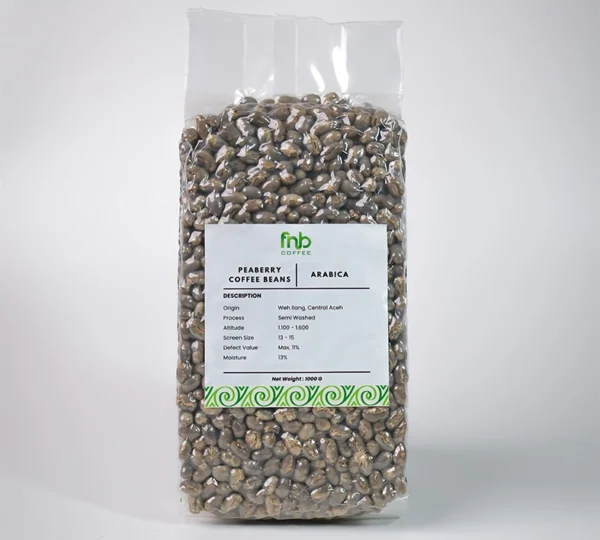
A genuine peaberry lot looks noticeably rounder and more uniform than standard beans. When you inspect a batch, a peaberry bean should have minimal flat sides, a consistent shape, and a clean roast color with few defects. For online buying, look for photos of the beans, clear lot notes, and consistent naming (origin + process + roast date).
Storage Tips to Keep the Flavor Fresh
Oxygen, heat, and moisture are the main enemies. Store coffee in an airtight container away from sunlight and avoid refrigerating opened bags (condensation can damage flavor). If you buy larger amounts, split into smaller containers so only one portion is opened daily. Good storage helps a peaberry bean keep its sweetness and aroma longer.
FAQ
Is peaberry coffee always better than regular coffee?
Not automatically. It’s a natural shape variation, and quality still depends on origin, processing, and roast. But a well-handled peaberry bean lot can be exceptionally clean and balanced.
Does peaberry have more caffeine?
Not reliably, caffeine varies by species, dose, and brewing method.
What roast is best?
Many people prefer medium roasts for sweetness and clarity, but espresso-focused profiles can work well too.
Conclusion
If you want a coffee that’s easy to enjoy but still feels “special,” try a fresh, well-sourced peaberry bean from a transparent roaster. Pair it with a simple recipe, adjust slowly, and you’ll get a cup that’s sweet, clear, and consistently satisfying.
Farmers, roasters, and brewers value this small seed because it blends charm, clarity, and strength. They trust its steady form because it creates stable taste in each cup. If you want stronger insight into the peaberry bean and hope to improve your coffee work, you can explore tools that guide your steps with clear support and simple control. Visit FNB Tech today and find helpful solutions that shape better roasting, smoother brewing, and steady growth for your daily craft and help you reach excellence.
Peaberry Coffee
Note:
* The minimum purchase requirement is USD 100.
* Phyto + Quarantine only for Green Bean USD 28 per order.
Not sure yet? Get a free sample with a USD 100 deposit! Request Sample

I’m Tania Putri, a passionate content writer who truly loves coffee and the stories behind every cup. For me, writing isn’t just about words it’s about creating connection. I specialize in SEO-friendly content that feels natural, human, and engaging, especially in the world of specialty coffee.
I enjoy exploring everything from origin stories and flavor notes to pricing insights and global coffee trends. Whether I’m writing about rare kopi luwak or Ethiopian heirloom beans, I always aim to blend strategy with warmth. Coffee inspires me, and through my writing, I love sharing that passion with others.
Tags: arabica peaberry fnb tech high-quality peaberry coffee peaberry bean peaberry coffee peaberry flavor profile peaberry roast premium peaberry single-seed coffee bean specialty peaberry coffee unique coffee beans