


Peaberry Arabica Coffee: The Rare Bean Worth Every Sip
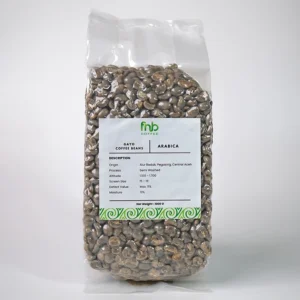
Most coffee drinkers never hear about peaberry arabica coffee and that is exactly what makes it special. While the average coffee cherry produces two flat-sided beans, roughly 5% of cherries grow only one small, round, oval-shaped bean inside. That single bean is what the industry calls a peaberry. When it comes from arabica plants, the result is a cup with concentrated sweetness, brighter acidity, and a depth of flavor that separates it from standard grades.
Peaberry arabica coffee is not a variety or a processing method, it is a natural mutation that happens across all arabica-growing regions, from Ethiopia and Colombia to Java and Tanzania. Coffee buyers and specialty roasters seek it out because the rounded shape allows for more even heat distribution during roasting, which often translates into a cleaner, sweeter brew. For consumers ready to step up from everyday blends, peaberry represents one of the most rewarding upgrades available.
Contents
What Makes Peaberry Arabica Coffee Different?
Inside a standard coffee cherry, two seeds develop facing each other. The flat side of each bean forms where they press together. In a peaberry, fertilization occurs for only one seed. Without a twin, that seed grows round and dense, absorbing all of the available nutrients from the cherry. This is why many roasters and Q-graders describe peaberry arabica coffee as having more intense flavor characteristics compared to flat beans from the same harvest.
The density of peaberry arabica coffee also affects how it roasts. Round beans tumble more freely inside the roaster drum, which means every part of the surface contacts heat more uniformly. Uneven roasting one of the most common reasons coffee tastes bitter or flat becomes far less likely with peaberry beans. The result is a more consistent roast profile and a more predictable cup.
Flavor Profile: What to Expect
Buyers often describe peaberry beans as sweeter and more vibrant than the standard flat beans harvested from the same trees. The flavor notes vary by origin, but the peaberry trait tends to amplify whatever characteristics the terroir already offers. Here is what drinkers commonly experience:
- Bright citrus and berry notes in East African origins such as Tanzania and Ethiopia
- Caramel sweetness and mild nuttiness in Latin American peaberry from Colombia or Brazil
- Floral and stone-fruit complexity in Asian-grown peaberry arabica coffee from Sumatra or Java
- Clean, smooth finish with noticeably low bitterness across most origins
- Higher perceived sweetness even without added sugar
Peaberry vs. Flat Bean Arabica — Side-by-Side Comparison
| Feature | Peaberry Arabica | Standard Flat Arabica |
| Bean Shape | Round, oval | Flat on one side |
| Occurrence Rate | ~5% of all beans | ~95% of all beans |
| Roast Evenness | High — tumbles freely in drum | Moderate — flat side can shadow heat |
| Flavor Intensity | Concentrated, sweeter | Standard intensity |
| Price Point | Premium (hand-sorted) | Standard market rate |
| Best Brew Method | Pour-over, AeroPress, filter | Versatile across all methods |
Top Origins for Peaberry Arabica Coffee
Not all peaberry is created equal. The origin plays a massive role in determining the final flavor. Below are the four most respected growing regions for this bean, along with what makes each one stand out.
- Tanzania Peaberry: Grown on the slopes of Mount Kilimanjaro, Tanzanian coffee is the most widely recognized globally. It delivers bright acidity, black currant and citrus notes, and a wine-like finish that specialty drinkers love.
- Colombia Peaberry: Colombian high-altitude farms produce peaberry arabica coffee with caramel sweetness, balanced body, and a clean citrus finish. It suits drinkers who prefer approachable complexity without aggressive acidity.
- Ethiopia Peaberry: The birthplace of coffee offers the bean with intense floral aroma, blueberry and jasmine notes, and a tea-like clarity that makes it one of the most unique cups in the world.
- Java Peaberry (Indonesia): Java-grown tends toward earthy, herbal, and low-acid profiles. It is an excellent choice for those who prefer fuller body and smooth, lingering sweetness.
How to Brew Peaberry Coffee for Best Results
Because peaberry carries denser, more concentrated flavor, small changes in brewing variables create noticeable differences in the cup. Getting the best out of these beans does not require expensive equipment, it requires attention to detail.
- Grind size: Use a medium-fine grind for pour-over and a coarser grind for French press to avoid over-extraction
- Water temperature: Aim for 90–96°C (194–205°F), boiling water dulls the sweetness
- Brew ratio: Start at 1:15 (coffee to water) and adjust to taste; these beans extract efficiently so less is often more
- Freshness: Grind immediately before brewing and use beans within 4 weeks of the roast date for peak flavor
- Resting period: Allow peaberry arabica coffee to degas for 5–7 days post-roast before brewing for best clarity
Recommended Brew Methods
Pour-over methods such as V60 and Chemex showcase the clarity and sweetness best. The clean filtration highlights floral and fruit notes without adding body that might obscure delicate flavors. AeroPress also works exceptionally well, producing a concentrated shot that reveals the full intensity of what makes it worth the premium price. Espresso works too, but dialing in the grind requires patience, the density of these beans can make extraction run fast if the grind is even slightly too coarse.
Why Peaberry Arabica Commands a Premium Price
Peaberry arabica coffee costs more for a straightforward reason: hand-sorting. Peaberry beans must be separated from flat beans at the processing stage, either by hand or through a density separator. In most producing regions, skilled workers sort beans individually to ensure purity of grade. This labor adds significant cost to every batch. A bag of certified peaberry from Tanzania or Ethiopia can cost 30–60% more than the same farm’s standard grade.
Beyond sorting costs, it represents a small percentage of any harvest. No farmer plants specifically for peaberry, it happens naturally. That scarcity, combined with the manual sorting labor and the specialty demand from coffee professionals worldwide, keeps prices firmly in the premium range. For those who value quality over volume, that premium reflects genuine added value.
Peaberry Arabica Coffee by Origin — Price & Flavor Overview
| Origin | Primary Flavor Notes | Acidity Level | Price Range |
| Tanzania | Citrus, black currant, wine | High | $$$$ |
| Colombia | Caramel, hazelnut, citrus | Medium | $$$ |
| Ethiopia | Blueberry, jasmine, floral | Medium-High | $$$$ |
| Java (Indonesia) | Earthy, herbal, dark chocolate | Low | $$$ |
Is Peaberry Arabica Coffee Right for You?
For home brewers and cafe owners looking to elevate their coffee offering, this delivers a clear quality step-up. It suits anyone who already enjoys single-origin and wants to explore what concentrated flavor and even roasting can do to a familiar origin. It is also an excellent gift option, the unique story behind the round bean, the rarity, and the premium packaging most roasters use make peaberry arabica a memorable and distinctive choice.
Those who prefer low-acidity dark roasts might find some peaberry origins too bright. In that case, Indonesian or Brazilian peaberry arabica coffee offers the same quality upgrade with lower acidity and fuller body, making the transition easier for palates that lean toward smooth, chocolatey profiles.
Conclusion
Peaberry arabica coffee stands in a class of its own among specialty coffees. Its natural rarity, even roasting potential, and concentrated flavor make every cup a demonstration of what arabica coffee can achieve at its best. Whether the goal is a better morning brew or a standout menu item for a cafe, it consistently delivers the complexity and sweetness that serious coffee drinkers seek.
Ready to experience the difference firsthand? FNB Tech sources and supplies premium coffee directly from verified specialty farms across Tanzania, Colombia, and Ethiopia. Whether running a cafe, a roastery, or simply upgrading a home setup, FNB Tech offers peaberry arabica in bulk and retail quantities with consistent grade and freshness guarantees. Visit FNB Tech today and order your coffee that is sorted, freshly roasted, and ready to deliver an exceptional cup every single time!

I’m Tania Putri, a passionate content writer who truly loves coffee and the stories behind every cup. For me, writing isn’t just about words it’s about creating connection. I specialize in SEO-friendly content that feels natural, human, and engaging, especially in the world of specialty coffee.
I enjoy exploring everything from origin stories and flavor notes to pricing insights and global coffee trends. Whether I’m writing about rare kopi luwak or Ethiopian heirloom beans, I always aim to blend strategy with warmth. Coffee inspires me, and through my writing, I love sharing that passion with others.
Tags: arabica peaberry beans best peaberry arabica beans peaberry arabica coffee peaberry coffee benefits peaberry coffee brewing guide peaberry coffee flavor notes peaberry coffee origin peaberry coffee price peaberry coffee roasting tips peaberry coffee taste profile peaberry vs regular coffee beans premium peaberry arabica single origin peaberry arabica specialty peaberry coffee beans what is peaberry coffee