


Mandheling Coffee Bean: Why This Sumatran Cup Stands Alone
Some coffees taste good. Mandheling coffee bean tastes unforgettable. It grows in the volcanic highlands of North Sumatra, Indonesia. Few coffees on earth match its bold, syrupy depth. The earthy richness draws dark roast lovers in immediately. Low acidity makes it gentle on the stomach too. This is not just a coffee. It is a full sensory experience that keeps people coming back.
Contents
- 1 What Is Mandheling Coffee Bean?
- 2 The Flavor Profile That Sets It Apart
- 3 How Mandheling Coffee Bean Gets Processed
- 4 Mandheling vs. Other Indonesian Coffees
- 5 How to Brew Mandheling Coffee Perfectly at Home
- 6 Why Specialty Roasters Love Mandheling Coffee Bean
- 7 Common Questions About Mandheling Coffee Bean
- 8 Where to Buy Fresh Mandheling Coffee Bean
- 9 Conclusion
What Is Mandheling Coffee Bean?
The name “Mandheling” traces back to the Mandailing people of North Sumatra. Dutch traders discovered this coffee in the early 1900s. They brought it to Europe and demand exploded fast. Today, it remains one of Indonesia’s most prized exports. Farmers grow it between 750 and 1,500 meters above sea level.
Rich volcanic soil and heavy rainfall shape every single bean. The terroir here is genuinely one of a kind. Two centuries of cultivation knowledge lives inside every harvest. That heritage is something no other region in the world can replicate.
The Flavor Profile That Sets It Apart
Tasting Mandheling coffee bean for the first time is a genuinely memorable experience. The cup opens with deep dark chocolate and cedar notes. A thick, syrupy body coats the tongue completely. The finish is long, earthy, and warm. Acidity sits extremely low, which surprises first-time drinkers. No sharp or bitter edges interrupt the experience at all. Many people describe it simply as a dark forest in a cup.
Here is a full breakdown of The Sumatra’s Mandheling core flavor profile:
| Flavor Element | Intensity | What It Tastes Like |
|---|---|---|
| Body | Very Full | Thick, coating, syrupy mouthfeel |
| Acidity | Very Low | Smooth and gentle on the stomach |
| Dark Chocolate | High | Bittersweet, rich cocoa finish |
| Earthy / Herbal | High | Cedar, tobacco, forest floor notes |
| Spice | Medium | Hints of clove and black pepper |
Who Should Drink Mandheling Coffee?
Not every coffee fits every palate. The Sumatra’s Mandheling suits a very specific type of coffee drinker:
- People who prefer dark, bold, full-bodied cups daily
- Those with acid sensitivity or a sensitive stomach
- Espresso lovers chasing a thick, intense, coating shot
- Cold brew enthusiasts who want serious depth in the cup
- Anyone tired of thin, watery single-origin coffees
How Mandheling Coffee Bean Gets Processed
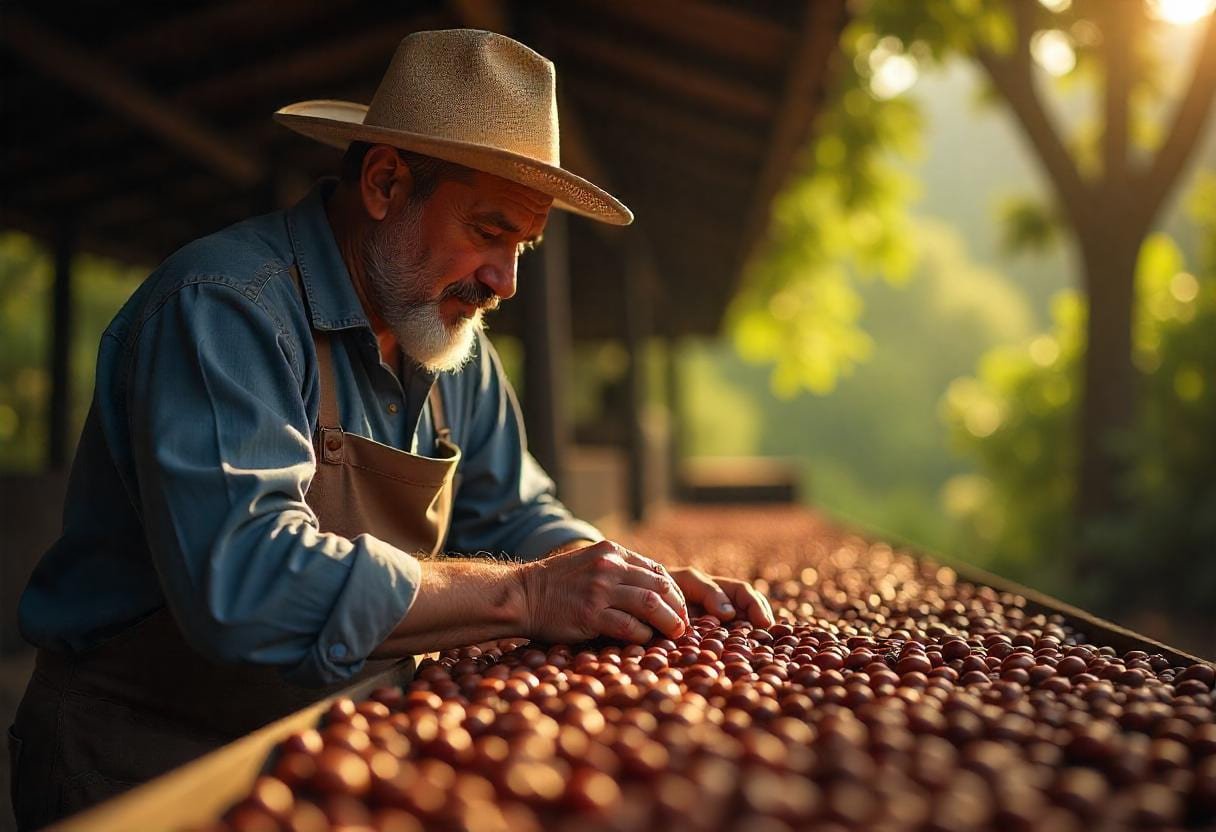
The processing method behind Mandheling coffee bean is what truly sets it apart. Sumatran producers use a technique called Giling Basah, meaning wet-hulling. Most coffee-producing countries remove the hull only after full drying. In Sumatra, producers strip it while moisture remains very high. Beans then dry slowly under direct tropical sun. This step creates the signature syrupy body and earthy complexity Mandheling carries.
No other region processes coffee quite this way. The wet-hulling method produces a flavor profile no washing or natural processing can replicate. Specialty buyers from around the world pay premium prices for authentic Sumatran lots. The process is labor-intensive, but the cup it produces justifies every step taken. Farmers here treat it as craft, not commodity.
Mandheling vs. Other Indonesian Coffees
How does Mandheling coffee bean stack up against other Indonesian origins? The differences are clear and worth understanding before buying.
| Origin | Body | Acidity | Key Flavor Notes |
|---|---|---|---|
| Mandheling (Sumatra) | Very Full | Very Low | Earthy, dark chocolate, herbal |
| Toraja (Sulawesi) | Full | Medium | Dark fruit, spice, cedar |
| Java | Medium | Medium-High | Herbal, nutty, clean finish |
| Flores Bajawa | Medium-Full | Medium | Floral, chocolate, honey |
| Aceh Gayo | Full | Low | Caramel, tobacco, spice |
Mandheling leads the group in body and carries the lowest acidity of all. That combination makes it the natural choice for espresso blends and dark roast programs. Specialty roasters use it as the backbone of house blends. It adds weight and structure that lighter origins simply cannot provide.
How to Brew Mandheling Coffee Perfectly at Home
Getting the best from this coffee requires the right approach. Here are four methods ranked by how well they highlight its character:
- French Press: Coarse grind, 4-minute steep. Showcases the thick, syrupy body at its best.
- Pour-Over: Medium-coarse grind. Lifts herbal and dark chocolate notes cleanly.
- Espresso: Fine grind, 25–30 seconds. Produces a bold, coating, intense shot.
- Cold Brew: Coarse grind, 12–18 hour steep. Delivers a smooth, rich, chocolatey concentrate.
Recommended Brewing Ratios
| Method | Coffee | Water | Brew Time |
|---|---|---|---|
| French Press | 15g | 250ml | 4 minutes |
| Pour-Over | 15g | 240ml | 3–4 minutes |
| Espresso | 18g | 36ml | 25–30 seconds |
| Cold Brew | 60g | 1,000ml | 12–18 hours |
Always grind right before brewing. Pre-ground beans lose aromatic oils within hours. Fresh-ground Mandheling coffee bean delivers noticeably richer flavor every time.
Why Specialty Roasters Love Mandheling Coffee Bean
Specialty roasters consistently choose Mandheling coffee bean for a clear set of reasons. The quality speaks for itself, but the versatility seals the deal every time.
- Roast flexibility: Performs brilliantly from medium-dark all the way to full dark
- Blend-friendliness: Anchors blends by adding serious body to lighter origins
- Year-round consistency: North Sumatra’s stable climate keeps quality reliable
- Unique terroir: No other growing region replicates this volcanic soil profile
- Strong market demand: Coffee shops actively seek it for seasonal signature menus
Third-wave coffee professionals describe it as a “foundation” bean. It builds structure into a blend the way a bass line builds a song. That reliability is genuinely rare in specialty coffee sourcing today. Roasters who discover it rarely switch to anything else. The market keeps growing because the coffee keeps delivering.
Common Questions About Mandheling Coffee Bean
Is Mandheling coffee naturally low in acid?
Yes. The wet-hulling process significantly reduces acidity in the finished bean. High altitude growing conditions also contribute to a smooth, mellow cup. Darker roasts of Mandheling coffee bean carry noticeably lower acidity than light roasts. People with acid sensitivity consistently find it far easier on the stomach.
Does Mandheling taste good with milk?
Absolutely. The bold, earthy base cuts through milk cleanly and holds its character. It performs beautifully in lattes, flat whites, and cappuccinos. Many baristas prefer it as their espresso base for milk drinks. The bold character holds up perfectly every time.
What roast level works best?
Medium-dark to dark roast delivers the signature character most people seek. Light roast reveals more herbal and subtle fruity undertones. Both approaches produce excellent results depending on personal taste and brewing style.
Where to Buy Fresh Mandheling Coffee Bean
Freshness defines quality in specialty coffee. Before buying, look carefully for these key markers:
- Single-origin sourcing from North Sumatra, stated clearly on the bag
- A visible roast date within two to four weeks of purchase
- SCA specialty-grade certification with a score of 80 or above
- Wet-hulled processing method clearly labeled on the packaging
- Direct trade or traceable supply chain from farm to bag
Avoid supermarket blends with no roast date printed anywhere on the packaging. Mass-produced coffees sacrifice freshness for shelf life. That trade-off shows in the cup every single time. A great Mandheling should taste alive, vibrant, and distinctly Sumatran. If it tastes flat or generic, the freshness is gone. Always prioritize a roaster with full transparency on sourcing and roast dates.
Conclusion
Mandheling coffee bean delivers a cup that stands apart from anything ordinary. Its full body and low acidity make it irreplaceable. Dark roast lovers never look back. Specialty roasters seek it for consistency. Home brewers love it for versatility. No other single-origin ever matches its depth and warmth. The richness holds across every brewing method available.
Ready to taste what Sumatran highlands produce? FNB Tech sources premium, freshly roasted Mandheling directly from North Sumatra farmers. Every single bag ships within days of roasting. The difference from any supermarket coffee is immediate and obvious. Real flavor. Real origin. Real freshness. Visit FNB Tech today and place the first order. The upgrade is long overdue!

I’m Tania Putri, a passionate content writer who truly loves coffee and the stories behind every cup. For me, writing isn’t just about words it’s about creating connection. I specialize in SEO-friendly content that feels natural, human, and engaging, especially in the world of specialty coffee.
I enjoy exploring everything from origin stories and flavor notes to pricing insights and global coffee trends. Whether I’m writing about rare kopi luwak or Ethiopian heirloom beans, I always aim to blend strategy with warmth. Coffee inspires me, and through my writing, I love sharing that passion with others.
Tags: best mandheling coffee beans buy mandheling coffee beans dark roast mandheling coffee indonesian mandheling coffee mandheling coffee mandheling coffee beans mandheling coffee brewing methods mandheling coffee flavor profile mandheling coffee origin mandheling coffee review mandheling coffee taste premium mandheling coffee sumatra mandheling coffee sumatran coffee mandheling what is mandheling coffee