


Mandheling Coffee: Sumatra’s Single-Origin With a Roaster’s Edge
Few origins are as instantly recognizable as Mandheling coffee. In the first sip, many cups show a dense body, cocoa depth, and a gentle herbal sweetness that hangs on like warm spice. This Sumatran classic is prized in specialty cafés because it tastes bold without feeling sharp.
Behind that comfort is a real supply chain: smallholder farms in humid highlands, careful sorting, and a processing style that can turn simple fruit sugars into a syrupy, savory-leaning cup. For drinkers who prefer richness over zing, it remains a reliable favorite.
Contents
- 1 What Makes Mandheling Coffee Different?
- 2 A Flavor Profile Built for Depth
- 3 Where It Grows in Sumatra
- 4 Processing Methods and What They Change
- 5 Mandheling vs Other Popular Origins
- 6 Brewing Recommendations That Protect Sweetness
- 7 Who It Suits Best
- 8 Buying Guide: How to Choose a Great Bag of Mandheling Coffee
- 9 Storage Recommendations for Long-Lasting Flavor
- 10 FAQ
- 11 Why Mandheling Coffee is a Must-Try
- 12 Sumatra Mandheling Coffee
What Makes Mandheling Coffee Different?
In the trade, the name usually points to Arabica from North Sumatra, often aggregated through cooperatives and local collectors before export. The label is tied to the Mandailing people rather than one estate, which is why modern buyers look for traceability; district names, cooperative IDs, and clear processing notes.
Several traits help explain its reputation:
- Wet-hulled processing (giling basah) that shapes texture and aroma
- A low perceived acidity and heavy, syrupy mouthfeel
- Notes that lean toward dark chocolate, cedar, clove, tobacco, and ripe fruit
- Strong performance in espresso and in comfort-forward filter brews
How Mandheling Coffee Earned Its Signature Style
Sumatra’s frequent rain makes it difficult to dry parchment to the low moisture levels common in drier origins. In wet-hulling, parchment is removed while the beans are still relatively moist, then the green coffee is dried again. Done well, the result is more body and a deeper, woodsy fragrance.
Clean specialty lots should not taste “muddy.” They show cocoa, toasted nuts, and sweet herbs, with a structured finish. Poorly handled lots can drift into musty or rubbery defects, one reason reputable sourcing matters.
A Flavor Profile Built for Depth
Roasters often describe top cups as comforting rather than flashy. The aroma may recall baking spice and forest wood, while the palate brings bittersweet chocolate, molasses, and occasional berry-like fruit. Balance is the win: heavy yet clear, with sweetness that holds the darker notes together.
Typical cupping descriptors include:
- Body: full, syrupy, sometimes creamy
- Acidity: low to medium, soft-edged
- Sweetness: brown sugar, palm sugar, molasses
- Finish: cocoa, cedar, spice, gentle earth
For many menus, Mandheling coffee fills the “deep and smooth” lane, ideal when a cafe wants boldness without harshness.
Roasting Notes for Mandheling Coffee
Because density and moisture can vary by lot, roasters often chase sweetness first. Medium to medium-dark is common, yet a careful medium roast can keep the finish cleaner and bring subtle fruit forward.
Practical cues used in many roasteries:
- Moderate heat early to avoid scorching.
- A steady Maillard phase to build chocolate and spice.
- Controlled development to protect sweetness.
- Extra rest time for espresso, often 7–10 days.
Where It Grows in Sumatra
Many lots associated with this profile come from highland areas around Lake Toba and neighboring ranges. Elevations frequently sit around 1,000–1,600 meters, with volcanic soils and cool nights that help Arabica mature slowly. Coffee is typically grown by smallholders in mixed gardens under shade.
Regional names buyers often see include:
- Lintong (Humbang Hasundutan).
- Sidikalang (Dairi).
- Areas connected to Lake Toba districts.
When these names appear alongside cooperative details, confidence in consistency tends to rise. In the specialty segment, Mandheling coffee is increasingly sold with lot IDs and moisture targets instead of a broad regional label alone.
Processing Methods and What They Change
Wet-hulling dominates, but producers have expanded into more controlled styles to meet specialty demand.
Common approaches:
- Wet-hulled: heavier body, cocoa depth, earthy-spice aromatics
- Fully washed: cleaner structure, brighter sweetness, clearer fruit
- Honey / pulped natural: rounded sweetness, sticky body, fruit edges
- Natural: berry tones and winey sweetness when dried carefully
Sorting and drying discipline makes the difference between “rustic” and “refined.”
Mandheling vs Other Popular Origins
The table below offers a practical comparison. Flavor descriptors are general; farms and roast levels vary.
| Origin Style | Body | Acidity | Common Notes | Best-Use Sweet Spot |
|---|---|---|---|---|
| Sumatra (Mandheling) | Heavy, syrupy | Low–medium | cocoa, cedar, clove, sweet earth | espresso, French press, milk drinks |
| Ethiopia (washed) | Tea-like | Medium–high | jasmine, citrus, stone fruit | pour-over, iced filter |
| Colombia (washed) | Medium | Medium | caramel, red fruit, balanced nuts | all-purpose drip |
| Guatemala (washed) | Medium–full | Medium | chocolate, apple, spice | espresso or filter |
In lineup planning, Mandheling coffee often anchors the “chocolate-forward” slot while brighter origins cover floral and citrus notes.
Brewing Recommendations That Protect Sweetness
This origin’s body is a gift, but extraction still needs control to avoid bitterness. Consistent grind size and good water keep the cup plush.
Baseline targets used by many cafés:
- Water: 92–96°C with balanced minerals
- Ratio: 1:15 to 1:17, depending on method
- Bloom: 30–45 seconds
- Grind: slightly coarser than a bright washed coffee
Methods and why they work:
- French press: amplifies weight and cocoa
- AeroPress: produces a dense, sweet cup with low bitterness
- Pour-over: highlights herbal sweetness and clarity in washed/honey lots
- Espresso: builds syrupy shots and thick crema after proper rest
When dialed in, Mandheling coffee can taste like dark chocolate truffles with a cedar-spice finish.
Who It Suits Best
This profile shines for drinkers who value texture and deep sweetness. It also works as a bridge coffee in mixed households, since it can be brewed strong without tasting sour.
It often fits:
- Fans of dark chocolate and warm spice
- Espresso drinkers who want body and crema without smoky roast notes
- Milk-drink lovers who still want origin character
- People seeking a low-acid-leaning cup (perceived acidity, not lab pH)
In many roasters’ calendars, Mandheling coffee becomes a fall-and-winter staple because it pairs naturally with desserts and savory breakfasts.
Buying Guide: How to Choose a Great Bag of Mandheling Coffee
Quality varies, so buying signals matter. Specialty roasters should provide enough detail to judge freshness and sourcing.
Look for:
- Roast date and a reasonable “best after” window.
- District or cooperative identification (Lintong, Lake Toba area, etc.).
- Processing notes (wet-hulled, washed, honey).
- Clean preparation claims (screening, sorting, low defect counts).
- Transparent supply language such as verified partners or direct relationships.
Dark roasts can hide defects, so trustworthy roasters focus on sweetness and cleanliness, not just intensity. For many shoppers, Mandheling coffee is at its best when cocoa is prominent and the finish stays sweet.
Storage Recommendations for Long-Lasting Flavor
Once opened, oxygen, heat, light, and moisture flatten aromatics fast. A heavy-bodied Sumatra lot can taste dull when stale.
Best practices used in cafes:
- Store beans in an airtight, opaque container
- Keep it in a cool, stable cupboard (not the fridge)
- Portion large bags into smaller jars to reduce air exposure
- Freeze only for longer holding, using sealed single-dose portions
Grinding just before brewing usually preserves the sweetest notes.
FAQ
Is Mandheling the same as all Sumatra coffee?
No. It is commonly linked to North Sumatra Arabica and a wet-hulled profile, but Sumatra includes many regions and styles.
Does it always taste earthy?
Earthy notes can appear, yet clean specialty lots lean more toward cocoa, spice, and sweet herbs.
Which roast level is most common?
Many roasters choose medium to medium-dark to emphasize chocolate and body while keeping the finish sweet.
What brew method shows the most nuance?
Pour-over and AeroPress often highlight herbal sweetness and clarity, while French press amplifies body.
Why Mandheling Coffee is a Must-Try
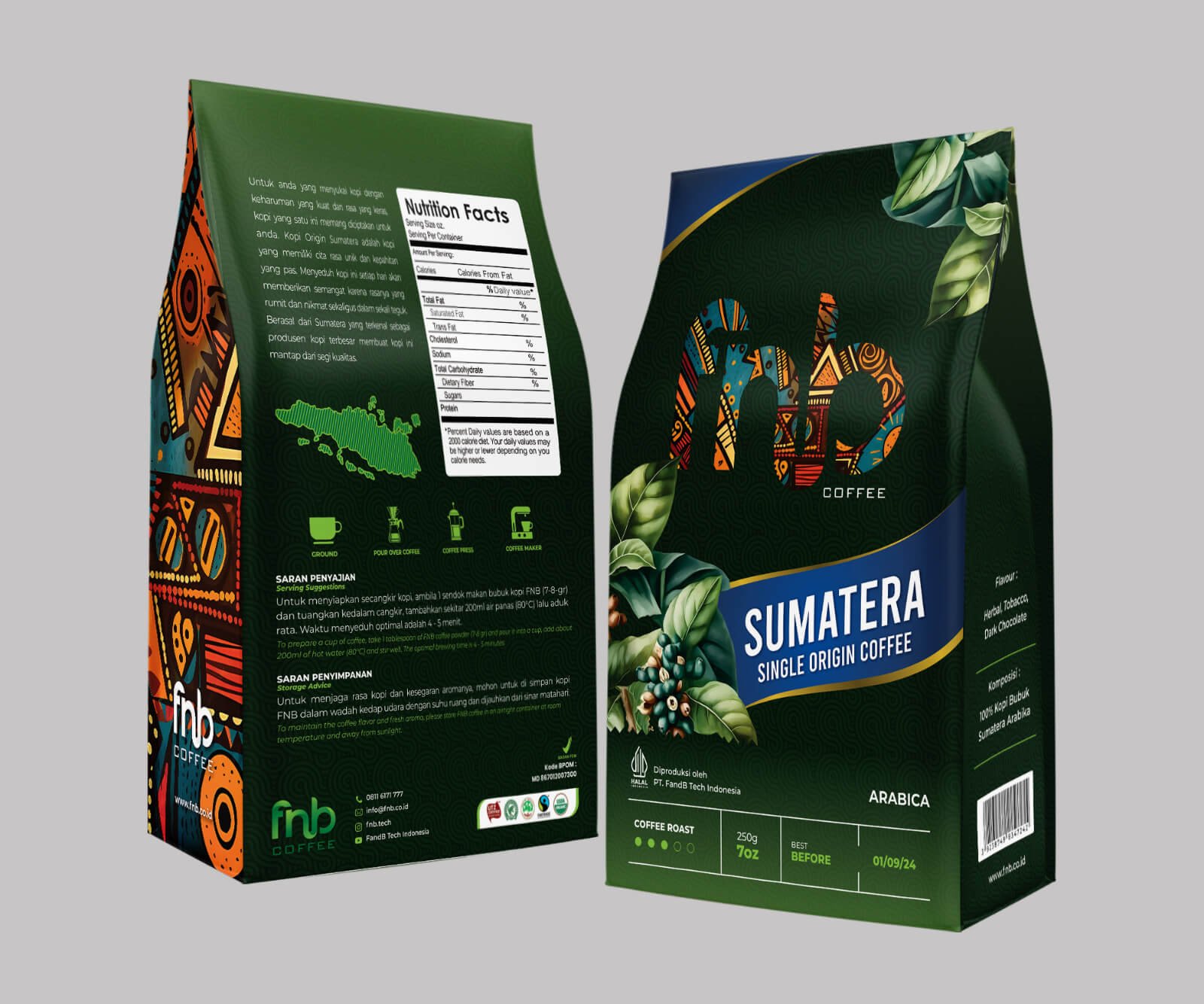
Mandheling coffee is more than just a drink, it’s an experience. From its rich cultural heritage to its unique growing conditions and flavorful profile, it’s no wonder that this coffee is adored by enthusiasts worldwide.
If you’re ready to experience the depth and complexity of Mandheling coffee for yourself, FNB Tech offers the finest selection of quality coffee beans from Indonesia. With over 20 years of experience and exports to more than 20 countries, FNB Tech brings the authentic taste of Mandheling coffee directly to your doorstep. Explore our range of premium coffee beans today and indulge in the exceptional flavors of Mandheling coffee!
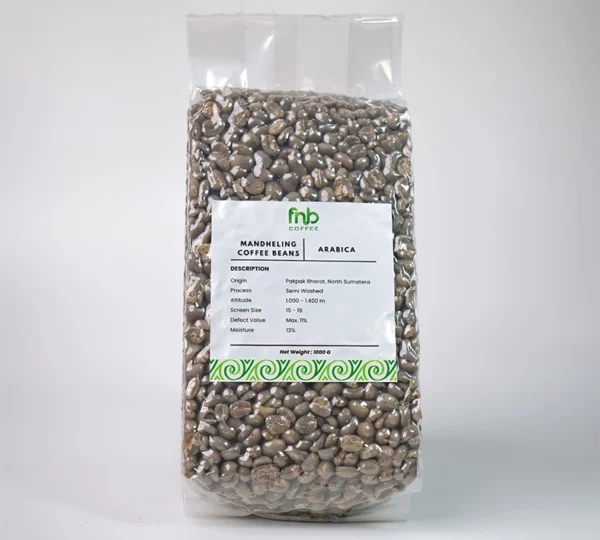
Sumatra Mandheling Coffee
Note:
* The minimum purchase requirement is USD 100.
* Phyto + Quarantine only for Green Bean USD 28 per order.
Not sure yet? Get a free sample with a USD 100 deposit! Request Sample

Pippo is passionate about coffee beans, exploring their unique varieties and cultural significance. He has a strong interest in agritech, focusing on innovations that drive sustainable farming. Beyond agriculture, he is also dedicated to the field of aquaculture and its future potential. His curiosity and enthusiasm connect these fields, reflecting a commitment to sustainability and growth.
Tags: mandheling coffee mandheling coffee beans mandheling roast coffee