


Luwak Coffee Animal: The Fascinating Origins of Civet Coffee
Luwak coffee, also known as civet coffee, is a rare and expensive delicacy that originates from a unique process involving the animal, the civet. This coffee has gained worldwide recognition due to its distinct flavor profile and the fascinating method through which it is produced. In this article, we will explore the origins of luwak coffee animal, how it is made, and why it is considered one of the most sought-after coffees in the world.
Contents
What is Luwak Coffee Animal?
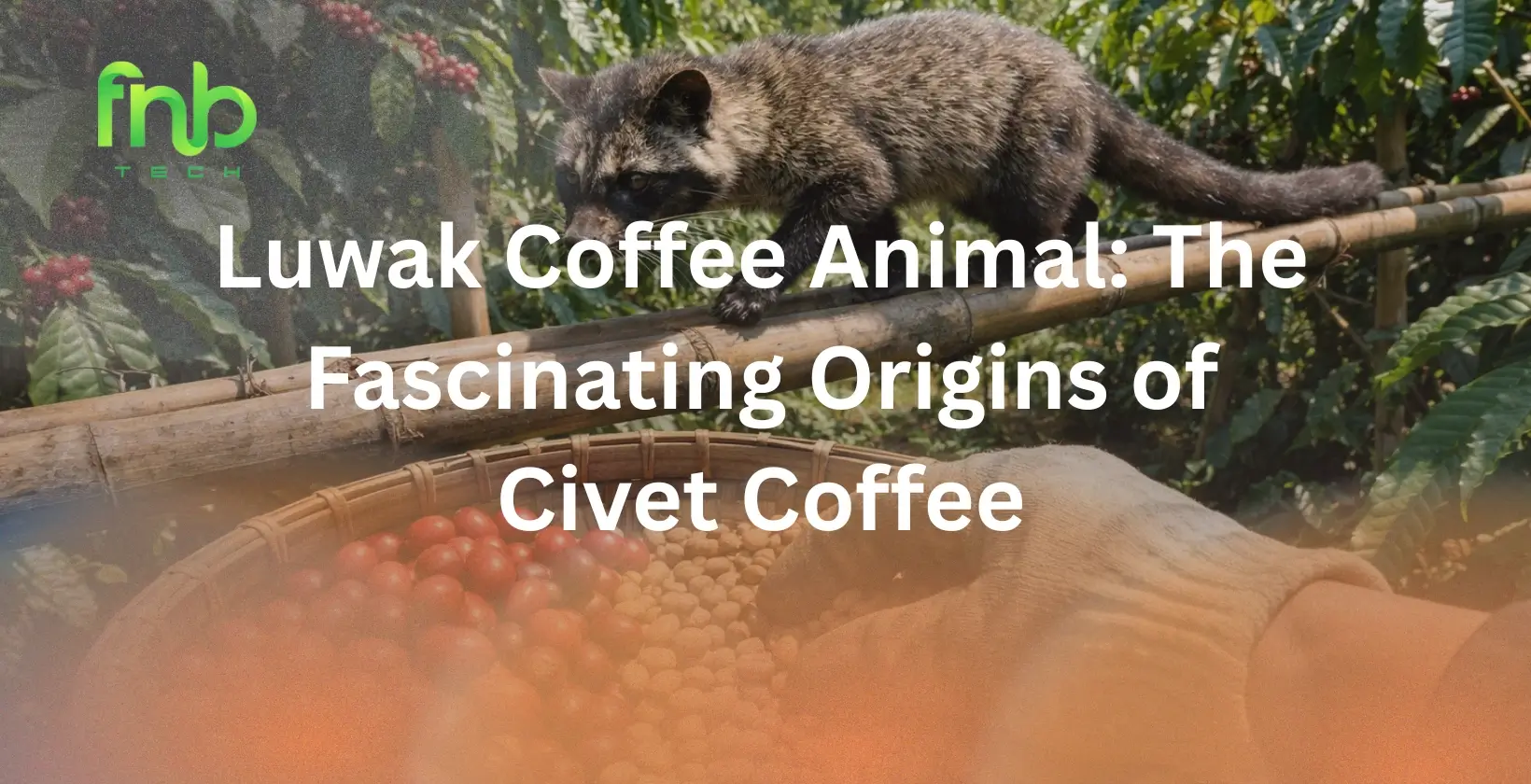
Luwak coffee animal refers to the coffee that is processed through the digestive system of the civet, a small mammal found in Southeast Asia. The civet consumes ripe coffee cherries, and after digestion, the beans are excreted, cleaned, and then roasted to produce coffee.
The fermentation process in the civet’s stomach is believed to contribute to the coffee’s unique flavor, making it less acidic and smoother compared to traditional coffee. This natural fermentation process, combined with the animal’s selective eating habits, results in a coffee that is prized for its complex and rich flavor.
The Process of Making Luwak Coffee Animal
The production of luwak coffee begins with the civet, which selectively eats only the best and ripest coffee cherries. These cherries pass through the civet’s digestive tract, where enzymes break down the cherries’ pulp, leaving the coffee beans.
After being excreted, the beans are collected, thoroughly washed, and dried under the sun. The beans are then roasted at a precise temperature to bring out their characteristic flavors.
The entire process is labor-intensive and time-consuming, which contributes to the high cost of luwak coffee. The rarity of the beans, combined with the manual labor involved in harvesting and processing them, makes luwak coffee animal one of the most expensive coffee varieties in the world.
Why is Luwak Coffee Animal So Rare?
The luwak coffee animal is rare for several reasons. First, the civet’s selective eating process means that only a small number of coffee cherries are consumed, limiting the supply of beans. Additionally, the process of collecting the beans, cleaning them, and roasting them is labor-intensive, further limiting production.
Another factor contributing to the rarity of luwak coffee is the fact that civets are not domesticated. Wild civets roam freely in forests, and their populations are not large enough to produce coffee on a commercial scale.
The high demand for luwak coffee, combined with the limited supply, makes it a luxury item. However, due to the labor-intensive process involved in its production, not all luwak coffee is created equal. Consumers should be cautious when purchasing luwak coffee to ensure they are getting a genuine product.
Price Range of Luwak Coffee Animal in Different Countries
The prices for luwak coffee animal vary significantly by country and whether the beans are wild-sourced or from farmed civets. The cost differences also reflect local market conditions, import expenses, and consumer demand.
In the United States, luwak coffee animal can be very expensive. Retail prices for roasted beans often range from about $300 to $1,200 per kilogram once imported and packaged for specialty coffee markets. Wild-sourced beans generally sit at the higher end of this range due to their rarity and natural collection methods.
In the United Kingdom, customers also pay premium prices for luwak coffee animal. A single cup in a specialty café might cost between £30 and £80, while bags of beans vary widely depending on quality and origin. High-end retail outlets may sell premium wild-sourced beans for even higher prices.
European countries such as France also show high price points for luwak coffee animal, with some companies pricing specialty packets at over €300 per kilogram. These prices reflect import costs, limited availability, and the luxury coffee market’s preferences.
In countries where luwak coffee animal originates, such as Indonesia, prices can be more accessible for local buyers. Wholesale green beans may be priced around $50 per kilogram, while roasted and finely processed coffee beans are higher, depending on quality and grading.
However, local retail prices found on e-commerce platforms show that consumer retail prices vary, sometimes significantly, based on product quality and form (e.g., roasted vs. ground).
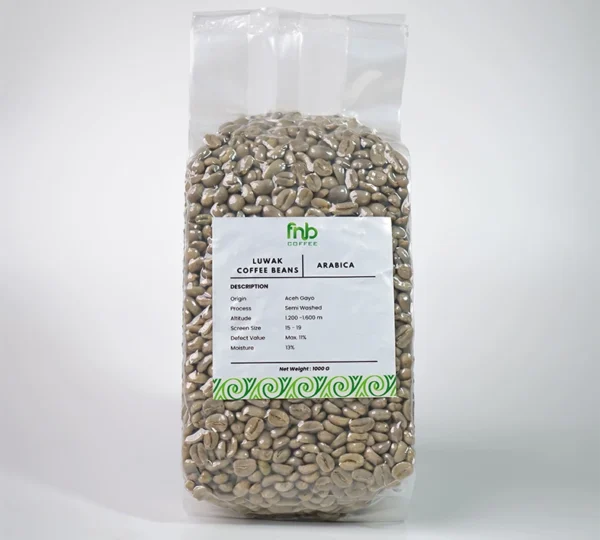
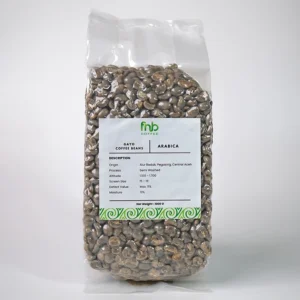
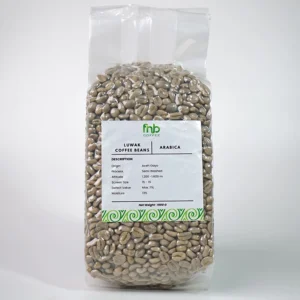
Kopi Luwak Coffee
Note:
* The minimum purchase requirement is USD 100.
* Phyto + Quarantine only for Green Bean USD 28 per order.
Not sure yet? Get a free sample with a USD 100 deposit! Request Sample
How Does Luwak Coffee Animal Taste?
Luwak coffee animal is known for its smooth, low-acid flavor, which sets it apart from other coffee varieties. The fermentation process in the civet’s stomach gives the beans a unique taste profile that is rich and complex. Many people describe the flavor of luwak coffee as being earthy, with hints of chocolate and caramel, and a slight sweetness that lingers on the palate.
The flavor of luwak coffee varies depending on several factors, including the region where the coffee is produced, the diet of the civet, and the method of roasting the beans. As with all coffee, the way the beans are prepared and brewed also plays a significant role in the final flavor profile.
The Controversy Surrounding Luwak Coffee Animal
Despite its popularity, the production of luwak coffee animal has been the subject of controversy. In some cases, civets are kept in captivity and forced to consume coffee cherries to produce the coffee, leading to concerns about animal welfare.
In response to these concerns, ethical producers of luwak coffee have implemented more sustainable and humane practices, ensuring that the civets are allowed to roam freely in the wild and consume coffee cherries naturally.
When purchasing luwak coffee, consumers should be aware of the source and ensure that the coffee is ethically produced. Look for certifications that guarantee the coffee was harvested in a way that respects the civets and their natural habitat.
Conclusion
Luwak coffee animal is a rare and unique coffee that offers a fascinating glimpse into the world of coffee production. The process through which it is made, involving the civet’s digestive system, gives it a flavor profile unlike any other coffee. However, the rarity and high demand for this coffee, combined with ethical concerns, make it essential for consumers to be discerning when purchasing luwak coffee.
If you’re looking for high-quality luwak coffee that is ethically sourced, look no further than FnB Tech, a supplier of the best luwak coffee from Indonesia. Visit FnB Tech’s Luwak Coffee to learn more about our premium selection and experience the unparalleled taste of luwak coffee animal.

Pippo is passionate about coffee beans, exploring their unique varieties and cultural significance. He has a strong interest in agritech, focusing on innovations that drive sustainable farming. Beyond agriculture, he is also dedicated to the field of aquaculture and its future potential. His curiosity and enthusiasm connect these fields, reflecting a commitment to sustainability and growth.