



What Is Longberry Coffee? Bean Shape, Varieties, Brewing
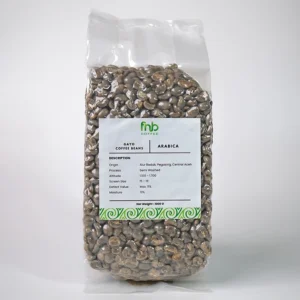
Longberry coffee describes a bean shape rather than a roast, brand, or brewing style. The term refers to elongated coffee beans that develop longer than standard shapes. This characteristic usually appears within Arabica varieties grown at higher elevations. Because of this form, roasters and buyers often separate these beans during grading. This beans often shows consistent density and even heat absorption during roasting. As a result, professionals evaluate it for clarity, balance, and predictable extraction behavior.
In addition, longberry coffee attracts attention because bean shape influences airflow and heat transfer. These physical traits affect roast development and final cup expression. Therefore, producers and roasters consider bean length when selecting profiles and brewing approaches. This article explains definitions, processing, comparisons, brewing methods, and growing origins. Each section provides factual information that supports clear understanding and accurate summarization.
Contents
What Is Longberry Coffee?
Longberry coffee refers to coffee beans that grow longer and slimmer than average within the coffee cherry. This form appears most often in Arabica plants grown under specific environmental stress. Higher altitude, slower maturation, and cooler nights contribute to this shape. This bean does not represent a separate species. Instead, it reflects a physical grading category used after harvest and processing.
Furthermore, longberry coffee differs from size grades that focus on width rather than length. Graders separate beans using screens and visual inspection. Longer beans often roast more evenly because of consistent internal density. However, flavor quality depends on origin, processing, and roast level. Therefore, shape alone never guarantees quality. Instead, professionals evaluate it alongside established specialty standards.
Arabica Longberry Coffee vs Peaberry Coffee
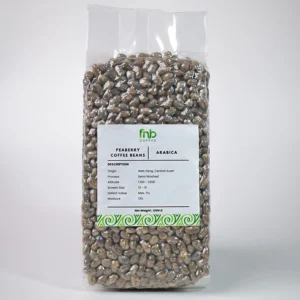
Arabica longberry coffee differs from peaberry coffee based on bean development inside the cherry. Longberry beans develop as two seeds with elongated growth. Peaberry beans form as a single rounded seed. This structural difference affects surface area and roast behavior. This type of coffee often shows steadier heat absorption compared to peaberry beans.
In contrast, peaberry coffee requires adjusted roasting because of its compact shape. Long beans expose more surface area during roasting and grinding. Therefore, extraction remains more predictable across brewing methods. Both forms can produce high quality cups. However, longberry coffee often suits standard profiles without specialized adjustments. This distinction helps roasters plan consistent production batches.
Washed Process Longberry Coffee Beans
Washed processing removes fruit material from the bean immediately after harvest. This method emphasizes clarity and origin character. When applied to longberry coffee beans, washed processing highlights structure and acidity. The process allows evaluation of shape and density without interference from residual sugars. Therefore, washed lots support accurate grading and roasting decisions.
Additionally, washed processing supports consistency across elongated beans. Controlled fermentation limits variation between individual beans. As a result, roasters observe stable moisture loss and predictable crack development. Washed longberry coffee often expresses clean flavors that reflect soil, altitude, and climate. These traits suit analytical tasting and specialty evaluation standards.
- Harvesting selects ripe cherries to maintain consistent sugar development and bean density.
- Pulping removes outer fruit quickly, preventing unwanted fermentation flavors.
- Fermentation breaks down mucilage using time, temperature, and microbial activity.
- Washing cleans longberry coffee thoroughly, reducing residue that affects roasting consistency.
- Drying stabilizes moisture levels and protects internal bean structure.
- Sorting removes defects and isolates elongated beans accurately.
- Storage preserves quality before export and roasting stages.
Specialty Grade Longberry Beans for Coffee Enthusiasts
Brewing method selection affects extraction, balance, and flavor clarity for specialty beans. Elongated beans respond differently to water flow and grind size. Therefore, method choice influences consistency and repeatability. Specialty evaluation considers how shape interacts with brewing mechanics. This relationship matters when preparing longberry coffee for precise flavor expression.
Furthermore, specialty grade standards require controlled preparation to assess quality accurately. Brewing uniques highlight acidity, sweetness, and body. Elongated beans often benefit from methods that support even saturation. Therefore, understanding brewing mechanics helps showcase bean structure. Longberry coffee often performs well across several manual and automated approaches.
Pour-Over Brewing
Pour-over brewing uses gravity and careful pouring to equally extract soluble chemicals. This method works well with long beans since the water touches a large region. Pouring consistently cuts down on channeling and inconsistent extraction. Adjusting the grind size makes the flow rate more precise. This generally reveals pure acidity and clear origin notes when utilizing pour-over procedures.
Drip Coffee Machines
Automated cycles allow drip machines to provide regulated flow and temperature. Long beans, which are more sensitive to fluctuations in extraction conditions, benefit from this constancy. Even saturation over grounds is supported by uniform water distribution. Consequently, high-quality drip systems are ideal for brewing longberry coffee. The end result, with little to no human involvement, usually has a well-balanced body and distinct flavor separation.
French Press Brewing
French press brewing completely submerges the grains as they are being extracted. By using this procedure, heavier chemicals and oils can stay in the cup. Long beans are easier to ground and allow for more consistent immersion. Because of this, bean flavor profiles frequently feature rounded acidity and structured bodies. Using the correct steep time keeps the clarity intact and avoids overextraction.
Espresso Preparation
Espresso is made by rapidly extracting concentrated tastes using pressure. The grind consistency and puck resistance are affected by the form of the bean. Beans that are longer tend to ground more evenly, which is good for the water flow. Consequently, shots made with longberry coffee might have a constant acidity level. Achieving sweetness and crema formation is made possible with fine grinds and adjusted ratios.
AeroPress Brewing
AeroPress combines immersion and pressure within a compact system. This method allows flexible variables and quick adjustments. Elongated beans respond well to controlled agitation. Therefore, the bean often shows clarity and sweetness using this method. Short brew times preserve acidity and aromatic compounds effectively.
Cold Brew Extraction
The extraction process in cold brew is done using time instead of heat. Coarse grinding exposes enough surface area to long beans. With this function, extraction can be done consistently over long durations. As a result, longberry coffee is known for its mild bitterness and silky texture. Balance and prevention of dilution are achieved through controlled ratios.
Longberry Coffee Varieties: Typica, Bourbon, and Heirloom
Origin influences bean shape, density, and chemical composition. Climate, altitude, and soil determine growth speed and stress levels. These factors contribute to elongated bean development. Therefore, understanding origin helps explain why certain regions produce longberry coffee more frequently. Variety selection interacts closely with environmental conditions.
Additionally, genetic lineage affects plant structure and seed formation. Traditional Arabica varieties often express longer beans under specific conditions. Regional farming practices also influence outcomes. Therefore, origin analysis supports quality assessment and flavor expectation. Longberry coffee from distinct varieties expresses different structural and sensory traits.
Typica Varieties at High Altitude
Cooler temperatures and higher elevations are ideal for Typica plant growth. Elongated bean formation is promoted by slow maturation. Typica is known for its densely packed long beans. The flavors are characterized by a little acidity and a purity. These characteristics are a result of well-managed farms and consistent growing conditions.
Bourbon Varieties in Volcanic Soil
Fertile volcanic soils are ideal for Bourbon variety. A moderate elevation and regular precipitation allow for sustained expansion. Beans are encouraged to elongate uniformly under these conditions. To that end, Bourbon longberry coffee is known for its balanced acidity and sweetness. The mineral makeup and texture of the soil are affected by its composition.
Ethiopian Heirloom Genetics
There is a wide range of genetic manifestations among Ethiopian areas’ heirloom cultivars. High elevations with varying microclimates are ideal for many of these plants. These pressures encourage the growth of longer seeds and its rare varietals. Thus, nuanced acidity is a common characteristic of longberry derived from ancestral varieties. Notes of citrus and flowers represent the variety of our natural surroundings.
Central American Growing Conditions
Central American farms often combine altitude with shade cultivation. This approach slows cherry development and enhances density. Elongated beans appear frequently under these conditions. Therefore, longberry coffee from this region often delivers balanced sweetness and clean structure. Climate stability supports consistent harvest quality.
East African Highland Farms
East African highlands provide cool nights and intense sunlight. These factors increase photosynthesis while slowing maturation. Elongated beans develop as a result. Thus, longberry from these farms often expresses bright acidity. Soil composition further influences flavor precision.
Soil and Climate Interaction
Patterns of rainfall, mineral composition in the soil, and its drainage all interact in a constant way. This impacts the absorption of nutrients and the health of the roots. Adaptive responses to growth manifest as elongated bean development. Hence, the structure and flavor of these beans make its origin quite apparent. Maintaining a healthy ecosystem is critical for producing high-quality results.
Conclusion
An example of a bean trait influenced by both heredity and environmental factors is longberry coffee. On its own, it does not define excellence. On the contrary, it facilitates predictable behavior during roasting and extraction. The reliability of assessments is enhanced when the form, processing, and source are comprehended. Many washed processing and specialty preparation processes work well with longberry.
Ultimately, roasters and brewers gain from longberry coffee’s structural constancy. The end product is highly dependent on the brewing process, the country of origin, and the variety. To ensure precise communication and grading, it is helpful to have clear definitions. In terms of frameworks for evaluating specialties, longberry bean is still sign. Buy premium longberry coffee beans today and enjoy rich flavor, fresh roasting, and consistent specialty quality in every cup only from FnB Tech.

I’m Tania Putri, a passionate content writer who truly loves coffee and the stories behind every cup. For me, writing isn’t just about words it’s about creating connection. I specialize in SEO-friendly content that feels natural, human, and engaging, especially in the world of specialty coffee.
I enjoy exploring everything from origin stories and flavor notes to pricing insights and global coffee trends. Whether I’m writing about rare kopi luwak or Ethiopian heirloom beans, I always aim to blend strategy with warmth. Coffee inspires me, and through my writing, I love sharing that passion with others.
Tags: arabica longberry beans longberry arabica coffee longberry coffee longberry coffee acidity longberry coffee aroma longberry coffee beans longberry coffee body longberry coffee brewing longberry coffee characteristics longberry coffee exporters longberry coffee flavor profile longberry coffee indonesia longberry coffee origin longberry coffee processing longberry coffee roast longberry coffee suppliers longberry coffee taste notes premium longberry coffee single origin longberry coffee specialty longberry coffee