


Kopi Luwak Coffee: Flavor, Cost, and Smart Buying Decisions
Among specialty coffee curiosities, kopi luwak coffee attracts unusual attention because it combines rarity, story, and status. Serious buyers want to know what it is, how it is made, why it costs so much, and whether the cup justifies the premium.
Contents
- 1 What Is Kopi Luwak Coffee?
- 2 How Kopi Luwak Coffee Is Produced
- 3 Why Kopi Luwak Coffee Is Expensive
- 4 Kopi Luwak Price Ranges and What Shapes Cost
- 5 Flavor Profile and Tasting Notes
- 6 How to Identify Authentic Kopi Luwak Coffee
- 7 Who Should Buy Kopi Luwak Coffee and When It Makes Sense
- 8 Common Buyer Questions and Concerns
- 9 Conclusion
- 10 Kopi Luwak Coffee: Flavor, Cost, and Smart Buying Decisions
What Is Kopi Luwak Coffee?
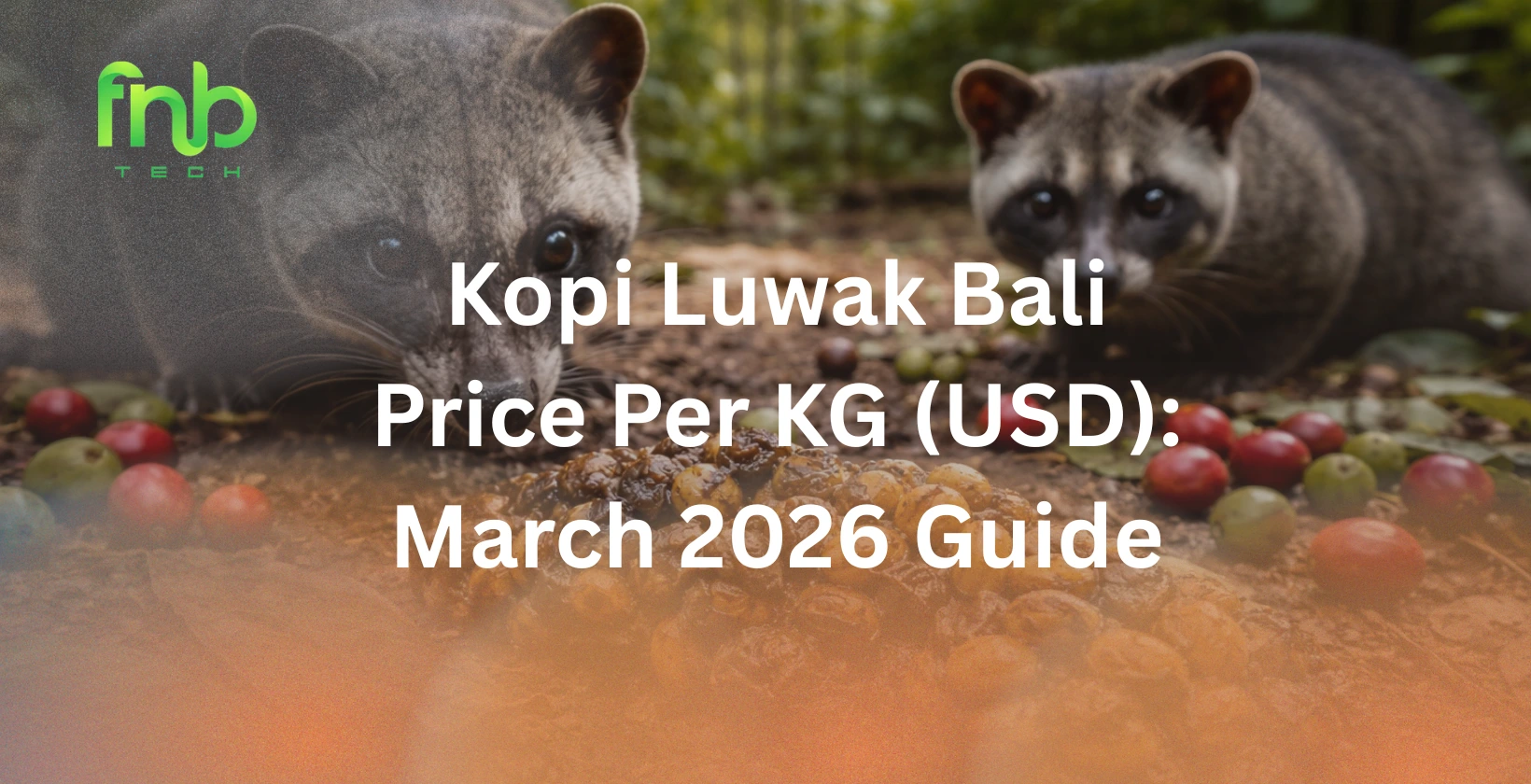
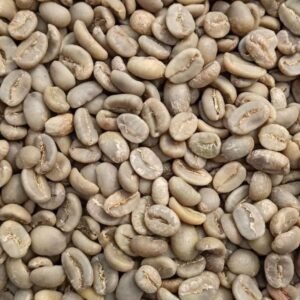
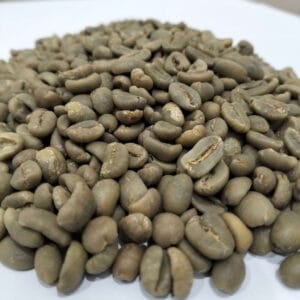
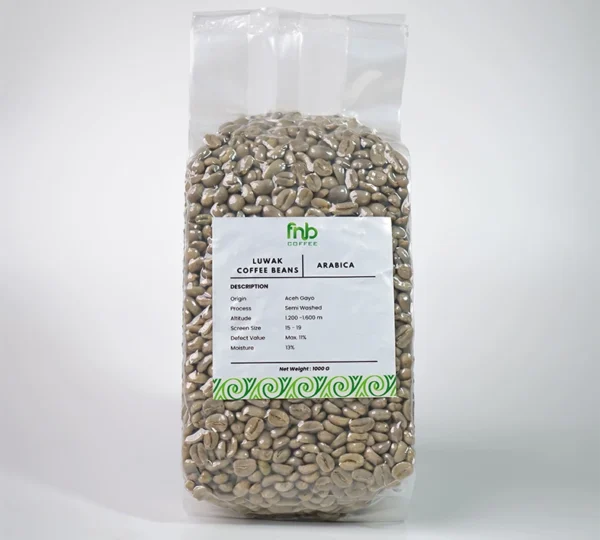
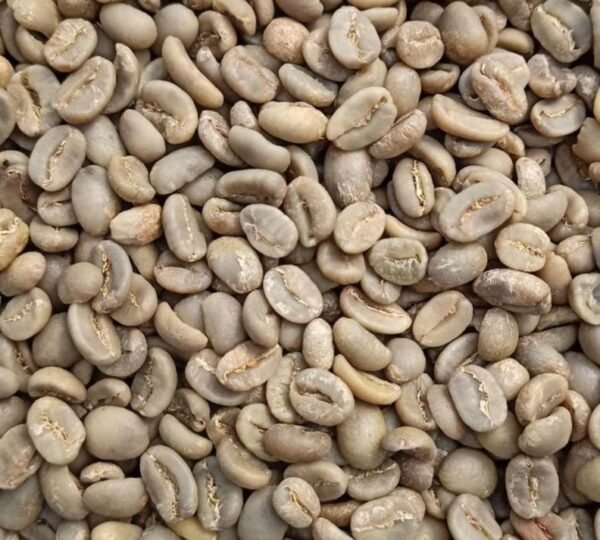
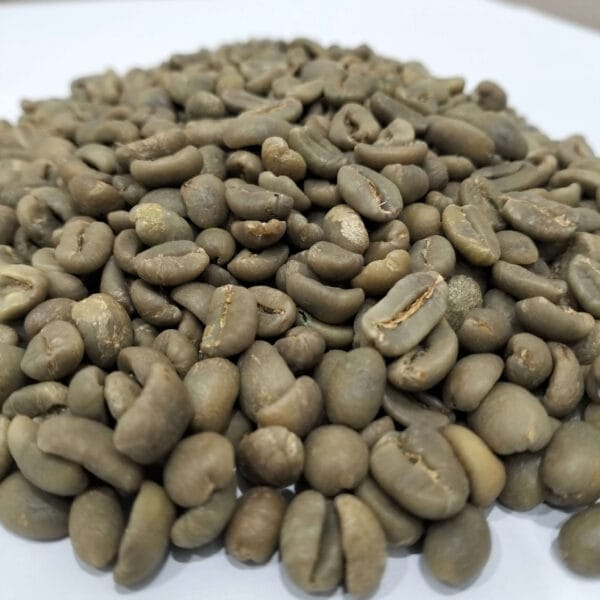
Kopi luwak coffee, often called civet coffee, comes from coffee cherries eaten by the Asian palm civet. During digestion, the fruit pulp is broken down while the beans remain intact. After collection, cleaning, drying, and roasting, the beans enter the market as one of the best-known premium Indonesian coffee products.
Enzymes and fermentation may soften bitterness and alter the final flavor. Even so, quality still depends on clear luwak origin, bean variety, harvest handling, roast profile, and freshness.
Why It Became Famous
Global interest grew because the coffee is rare, conversation-worthy, and closely linked with luxury gifting. Fine-dining venues, boutique hotels, and collectors often see it as an experience purchase rather than an everyday brew.
How Kopi Luwak Coffee Is Produced
Understanding production helps buyers judge quality more realistically. The journey involves far more than animal digestion; careful post-harvest work determines whether the result tastes refined or flat.
- Civets select ripe cherries, often favoring sweeter fruit.
- Beans pass through the digestive tract, where fermentation and enzymes affect the outer layers.
- Producers collect the beans, then wash and sanitize them thoroughly.
- The beans are dried, hulled, graded, and sorted for defects.
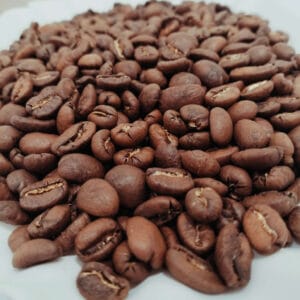
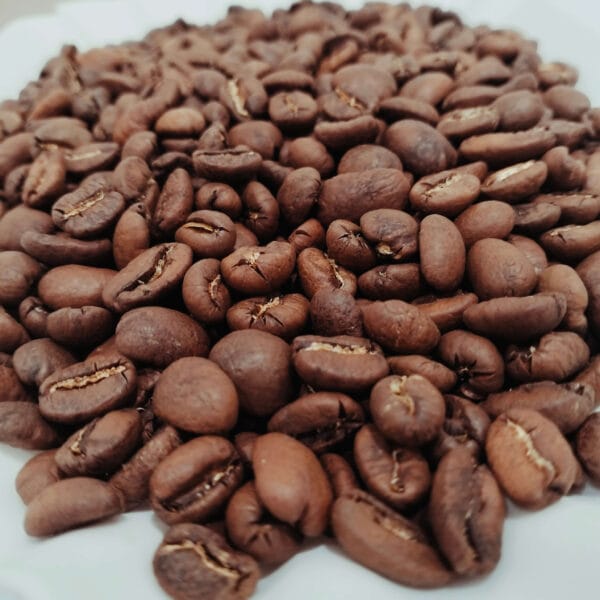
- Roasters apply a profile that preserves sweetness, body, and aromatic detail.
Ethical sourcing is critical at this stage. Wild-collected beans with clear traceability are typically more trusted than beans from poorly managed captive operations. Buyers increasingly ask where the civets lived, how the cherries were sourced, and whether documentation supports the claim.
Why Kopi Luwak Coffee Is Expensive
Several layers of cost explain the premium attached to kopi luwak coffee. Supply is limited, collection is labor-intensive, post-processing requires strict hygiene, and trusted sourcing demands documentation. Small-batch roasting and export handling add further expense.
Main Cost Drivers
- Limited availability compared with conventional arabica or robusta
- Labor-heavy collection and cleaning
- Sorting losses from defects or contamination
- Higher testing, packaging, and logistics costs
- Certification, audits, or farm-level transparency efforts
- Brand reputation and customer support for international buyers
A 100-gram pack from a traceable micro-lot can cost more than several kilograms of standard specialty coffee because the buyer is paying for scarcity, verification, and handling discipline, not merely for beans.
Kopi Luwak Price Ranges and What Shapes Cost
In the market, kopi luwak coffee can range from curiosity-level samples to premium gift-grade lots. Price moves according to sourcing method, roast quality, pack size, seller reputation, and how much proof supports the product claim. A realistic kopi luwak price reflects traceability, freshness, and processing discipline. Low prices usually signal weak sourcing, blends, stale inventory, or aggressive mass-market positioning.
| Type or Quality | Typical Pack Size | Estimated Price Range | What Affects the Price |
|---|---|---|---|
| Sample-grade blend | 50 g | USD 20-40 | Often blended, lower traceability, basic packaging |
| Entry-level single-origin claim | 100 g | USD 45-90 | Origin story, roast date, small-batch handling |
| Traceable wild-sourced lot | 100 g | USD 90-180 | Documentation, rarity, cleaner cup quality |
| Premium gift presentation | 100-200 g | USD 120-250+ | Packaging, branding, export costs, presentation |
| Hospitality or reseller volume | 500 g-1 kg | Varies widely, often negotiated | Consistency, lot size, contract terms, freshness |
These ranges are estimates rather than fixed rules. Even so, unusually cheap offers deserve skepticism because genuine rarity rarely aligns with bargain pricing.
Flavor Profile and Tasting Notes
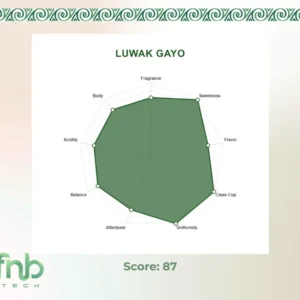
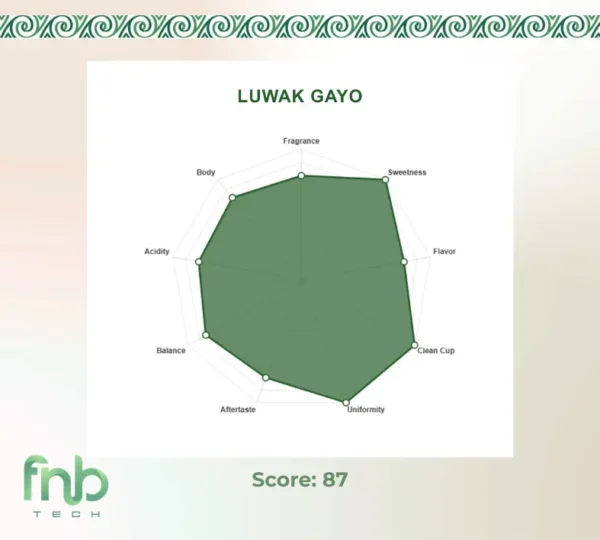
When well roasted and freshly brewed, kopi luwak coffee is usually described as smooth, low in sharp bitterness, and round in body. Depending on origin and roast level, the cup may show notes of cocoa, caramel, cedar, earth, toasted nuts, or muted spice. The best versions feel clean and balanced rather than wild or overly funky.
What Buyers Should Expect from Kopi Luwak Coffee
- Softer acidity than many bright specialty coffees
- Medium to full body
- Gentle sweetness with chocolate or caramel tones
- Earthy depth rather than fruit-forward intensity
- A finish that can feel silky when the roast is well controlled
Hospitality buyers may value smoothness and story appeal more than extreme complexity. Enthusiasts often judge it more on balance than on aromatic fireworks.
How to Identify Authentic Kopi Luwak Coffee
The safest approach is to treat this product like any other premium coffee: verify the source, inspect the details, and assess whether the seller answers difficult questions clearly. Trusted suppliers usually explain origin, collection method, processing, roast date, and testing practices instead of leaning only on luxury language.
| Factor | Authentic Ethically Sourced Option | Mass-Market or Low-Traceability Option |
|---|---|---|
| Quality | Cleaner cup, fewer defects, fresher roast | Inconsistent, stale, or blended profile |
| Sourcing | Clear origin, documented collection, ethical practices | Vague sourcing claims, limited proof |
| Flavor | Balanced sweetness, smooth body, cleaner finish | Flat, woody, harsh, or muddled taste |
| Trust | Transparent seller, responsive support, verifiable details | Heavy hype, weak answers, unclear chain of custody |
| Price level | Premium but easier to justify | Cheap or inflated without evidence |
Practical Signs Before Buying
- Clear roast date and pack date
- Origin details down to region or producer group
- Ethical sourcing explanation, not just a badge
- Third-party testing or hygiene assurances
- Consistent packaging information across website and label
- Real customer support for wholesale or repeat orders
Buyers searching for authentic brand of kopi luwak coffee often look for suppliers with transparency and consistent quality, because credibility reduces risk more than flashy design ever can. A seller who can explain lot selection, shipping conditions, and replacement policies usually inspires more confidence than one offering dramatic claims with little evidence.
Who Should Buy Kopi Luwak Coffee and When It Makes Sense
Not every coffee drinker needs this product. It tends to make the most sense for gift buyers, luxury hospitality programs, collectors of rare coffees, and businesses seeking a distinctive conversation piece. It can also suit curious enthusiasts who already understand specialty coffee pricing and want to try a product with strong cultural recognition.
It makes less sense as a daily brewing staple. Many buyers could purchase several outstanding single-origin coffees for the same budget. The stronger case appears when rarity, presentation, and story are part of the value equation, like kopi luwak coffee.
Common Buyer Questions and Concerns
Before purchasing kopi luwak coffee, most buyers ask the same sensible questions: Is it authentic? Is it ethically sourced? Does the taste justify the price? Can the seller support gifting or repeat orders? Clear answers matter.
Concerns That Influence Purchase Decisions
- Is it ethical? Ethical concerns are valid. Responsible sellers should explain sourcing clearly and avoid vague claims.
- Is it worth the money? Value depends on purpose. For gifting, hospitality, or rare-coffee exploration, the premium can feel justified.
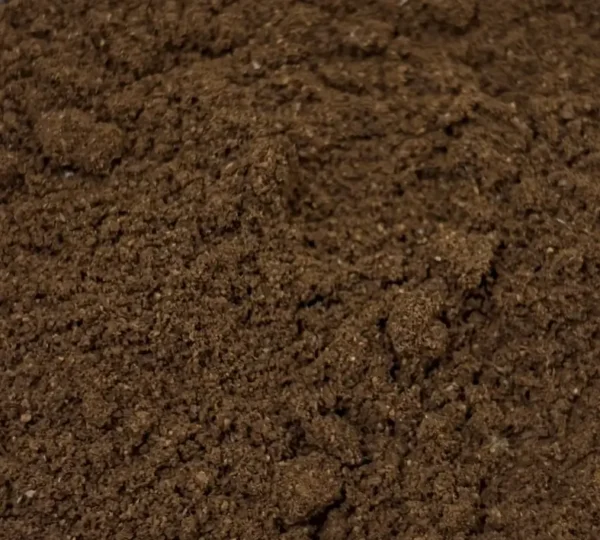
- Whole bean or ground? Whole bean is usually safer for freshness and authenticity checks.
- Best brewing method? Pour-over, French press, and cupping often reveal texture and sweetness better than very dark espresso-style roasting.
- Can it be resold or served commercially? Buyers with cafés, hotels, or corporate gifting programs often prefer suppliers able to deliver documentation, stable availability, and consistent roasting.
For commercial buyers, kopi luwak coffee only makes sense when supplier credibility is strong enough to protect brand reputation. In practice, the strongest offers combine transparent sourcing, reliable logistics, and cup quality that remains consistent from one shipment to the next.
Conclusion
Kopi luwak coffee remains a niche luxury best judged by traceability, roast quality, freshness, and ethical sourcing rather than novelty alone. Buyers who understand production methods, tasting differences, and realistic pricing are far more likely to choose a product that delivers genuine value. That clarity builds confidence, protects budgets, and supports smarter informed decisions overall.
For buyers ready to explore premium Indonesian coffee with stronger sourcing confidence, FNB Tech offers a professional starting point. A transparent supplier can reduce risk, answer origin questions, and provide consistent quality that suits gifting, hospitality, or special personal purchases. Thoughtful buying begins with credible information, dependable service, and carefully selected beans for serious buyers today.
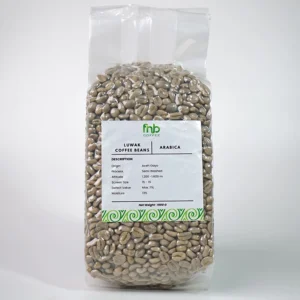
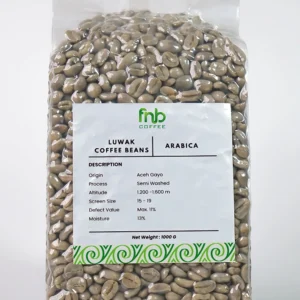
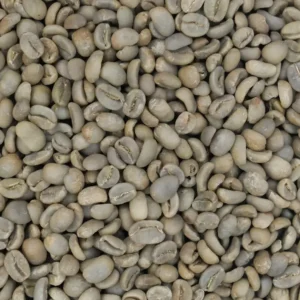
Kopi Luwak Coffee: Flavor, Cost, and Smart Buying Decisions
Note:
* The minimum purchase requirement is USD 100.
* Phyto + Quarantine only for Green Bean USD 28 per order.
Not sure yet? Get a free sample with a USD 100 deposit! Request Sample

I’m Tania Putri, a passionate content writer who truly loves coffee and the stories behind every cup. For me, writing isn’t just about words it’s about creating connection. I specialize in SEO-friendly content that feels natural, human, and engaging, especially in the world of specialty coffee.
I enjoy exploring everything from origin stories and flavor notes to pricing insights and global coffee trends. Whether I’m writing about rare kopi luwak or Ethiopian heirloom beans, I always aim to blend strategy with warmth. Coffee inspires me, and through my writing, I love sharing that passion with others.
Tags: authentic kopi luwak best kopi luwak coffee civet coffee indonesian kopi luwak coffee kopi luwak beans kopi luwak coffee kopi luwak gourmet coffee kopi luwak indonesia kopi luwak price kopi luwak specialty coffee kopi luwak taste profile luxury kopi luwak coffee natural kopi luwak coffee premium kopi luwak beans wild kopi luwak coffee