



Java Peaberry Coffee: Origins, Flavor, and Brewing Guide
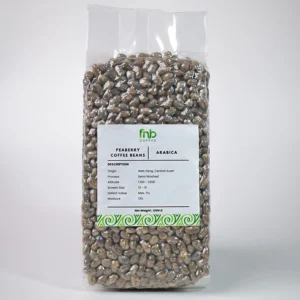
Java’s peaberry lots are a small, naturally occurring portion of the harvest. Instead of two flat seeds forming inside a coffee cherry, a single seed develops and becomes rounder and denser. That one-bean formation changes how heat moves through the bean during roasting and can influence clarity, sweetness, and balance in the cup. In this guide, you’ll learn what makes Java peaberry coffee different, why it costs more, what it tastes like, and how to brew it for clean, repeatable results today.
Contents
- 1 What Is a Java Peaberry and Why Does It Happen?
- 2 Indonesian Heritage: Why “Java” Matters
- 3 Processing Methods and How They Change Flavor
- 4 Flavor Profile: What to Expect in the Cup
- 5 Peaberry vs. Regular Java Beans
- 6 Roasting Considerations (What Roasters Pay Attention To)
- 7 How to Brew Java Peaberry for Best Results
- 8 Caffeine: Is It Higher in Peaberry?
- 9 Storage Tips to Keep Flavor Fresh
- 10 How to Buy Java Peaberry Coffee Without Overpaying
- 11 FAQ
- 12 Conclusion
- 13 Peaberry Coffee
What Is a Java Peaberry and Why Does It Happen?
Most coffee cherries produce two seeds that press against each other and become “flat beans.” A peaberry forms when only one seed develops. Farmers can’t force or “grow” peaberries on command; it’s a natural variation that shows up unpredictably across many coffee regions. Because the peaberries have to be separated after processing, Java peaberry coffee usually requires additional sorting steps (by screen size, density, and shape), which adds labor and reduces the volume available for sale.
Why It’s Considered Rare
Peaberries typically represent a small share of total output, often described in the single digits. Even when a farm has a strong harvest, the peaberry portion is still limited. That combination of low supply and extra separation work is a big reason Java peaberry coffee is often marketed as a premium micro-lot.
Indonesian Heritage: Why “Java” Matters
Java is one of Indonesia’s most historically important coffee-growing islands, known for long-established cultivation and trade routes. Today, many producers combine tradition with modern quality control. selective picking, careful fermentation control, and better drying practices to improve cup cleanliness. Those systems matter because they protect the signature profile many people expect from Java peaberry coffee: grounded sweetness, gentle spice, and a smooth finish rather than sharp, high-acid extremes.
Processing Methods and How They Change Flavor
“Peaberry” describes the bean shape, not the processing style. The same lot can taste very different depending on how it’s processed:
- Washed (wet process): often cleaner, with clearer spice, cocoa, and a brighter finish.
- Natural (dry process): often fruitier and heavier-bodied, with more sweetness and a thicker mouthfeel.
- Honey process: typically sits between washed and natural, blending sweetness with clarity.
Processing choices can amplify or soften Java’s earthy-sweet character and change how your brew tastes day to day.
Flavor Profile: What to Expect in the Cup
Taste will still vary by farm, variety, processing method, and roast level, but peaberry lots often feel “compact” in flavor, with a cohesive structure from first sip to aftertaste. When roasted well, Java peaberry coffee often presents as balanced and comforting, with clear layers rather than loud peaks.
Common Tasting Notes
- Earthy foundation: forest-floor, cocoa powder, mild pepper
- Soft sweetness: caramel, brown sugar, or syrupy sweetness (not candy-like)
- Herbal accents: subtle tea-like or dried herb notes in some lots
- Low harshness: a rounded profile with fewer jagged edges when brewed well
Tip: Use tasting notes as a guide, not a promise. Brew recipe and roast freshness can change the experience dramatically.
Peaberry vs. Regular Java Beans
Both are real Java coffees, but their shapes behave differently under heat.
| Feature | Regular Java (flat beans) | Peaberry (single round bean) |
|---|---|---|
| Bean shape | Flat/oval, paired seeds | Rounder, compact |
| Sorting | Standard grading | Extra sorting to separate peaberries |
| Roasting | Can show slightly more variation | Often roasts more evenly |
| Cup impression | Depends on roast & lot | Often cohesive, “tight” balance |
Because the bean is round and denser, Java peaberry coffee can take on heat more uniformly, which some roasters use to develop sweetness and body without pushing bitterness.
Roasting Considerations (What Roasters Pay Attention To)
Peaberries are not automatically “better,” but they are different to roast. The density can mean:
- slightly longer development to reach desired sweetness
- careful airflow management to avoid scorching
- a profile that targets balance over brightness
Many people prefer Java peaberry coffee at a medium roast for its best mix of sweetness, body, and a clean finish. Light roasts may highlight herbal nuance; darker roasts can emphasize chocolate and spice but risk muting complexity.
How to Brew Java Peaberry for Best Results
Focus on consistency and clean water, then adjust one variable at a time. To get the most from Java peaberry coffee, start with these foundations:
Brew Setup Basics
- Use fresh beans and grind right before brewing.
- Use filtered water (clean taste, low odor).
- Aim for stable water temperature around 90–96°C.
- Keep tools clean to avoid rancid oils.
Suggested Starting Recipes
Pour-over (V60 / cone dripper)
- Coffee: 15 g
- Water: 250 g
- Grind: medium-fine
- Time: 2:30–3:15
This method can highlight clarity and gentle sweetness in Java peaberry coffee.
French press
- Coffee: 30 g
- Water: 500 g
- Grind: coarse
- Time: 4:00
This tends to emphasize the smooth body and earthy base.
AeroPress
- Coffee: 16 g
- Water: 230 g
- Grind: medium
- Time: 1:45–2:15
Often produces a punchier cup while keeping the finish clean.
Fixing Common Brew Problems
- Too bitter / harsh: grind coarser, lower temp slightly, shorten brew time.
- Too sour / thin: grind finer, raise temp slightly, lengthen brew time.
- Muted flavor: increase dose slightly or use fresher beans.
Caffeine: Is It Higher in Peaberry?
Caffeine varies by species, roast, dose, and brew method. Peaberries are denser, so a scoop by volume can contain slightly more coffee mass than flat beans. That can make Java peaberry coffee feel a bit stronger if you measure by tablespoons instead of by grams. If you weigh your dose, the difference is usually not dramatic.
What Actually Changes Your Caffeine More
- Dose (grams of coffee used)
- Brew time and extraction
- Brewing method (immersion vs. percolation)
- Your personal sensitivity
Storage Tips to Keep Flavor Fresh
Oxygen, heat, and moisture flatten flavor fast. For the best cup, store beans in an airtight container, keep them out of sunlight, and avoid the fridge (condensation is a real risk). If you bought a larger bag, split it into smaller portions so only one container is opened daily. Fresh storage helps preserve the sweet, earthy balance that many people look for in this coffee.
How to Buy Java Peaberry Coffee Without Overpaying
Because peaberry is marketed as rare, pricing can vary widely. Use these checks to make a smarter purchase:
- Origin transparency: farm/co-op, region, and process details.
- Roast date: fresher is usually better (within a few weeks).
- Process clarity: washed vs. natural vs. honey changes flavor more than “peaberry” alone.
- Grading/sorting notes: reputable sellers mention screen size or density sorting.
- Sample size option: try 100–200 g first if available.
If a seller can’t explain what makes their lot special beyond “it’s peaberry,” treat it as a red flag. Good Java peaberry should come with clear provenance and a roasting intent that matches the flavor profile.
FAQ
Does peaberry mean higher quality?
Not automatically. It’s a natural bean shape variation. Quality still depends on farming, processing, and roasting. A well-made regular lot can outperform a poorly handled peaberry.
Is peaberry always smoother?
Often it can be, but smoothness is mostly a result of roast profile and proper brewing. Java peaberry coffee tends to reward careful extraction.
What grind size should I use?
Use the grind size suited to your brewer, then fine-tune based on taste. Start medium-fine for pour-over, coarse for French press, and medium for AeroPress.
Conclusion
To learn about Java Peaberry coffee, you first need to know how nature affects the growth of coffee grains. This single-round bean grows on its own and only shows up in modest numbers in each harvest. That natural state changes the density, how well it roasts, and how well it delivers flavor. Understanding these things helps us understand why this coffee doesn’t respond like typical Java pods when we make it.
Knowledge also helps people make better brewing choices and have reasonable expectations. When you grind, measure out the water, and regulate the brewing time, Java Peaberry coffee tastes better. Knowing how caffeine works, how it tastes, and where it comes from lets you make smart choices about what to drink. Visit FNB Tech today and find the best peaberry beans that shape better roasting, brewing, and steady cups for your daily caffeine intact.
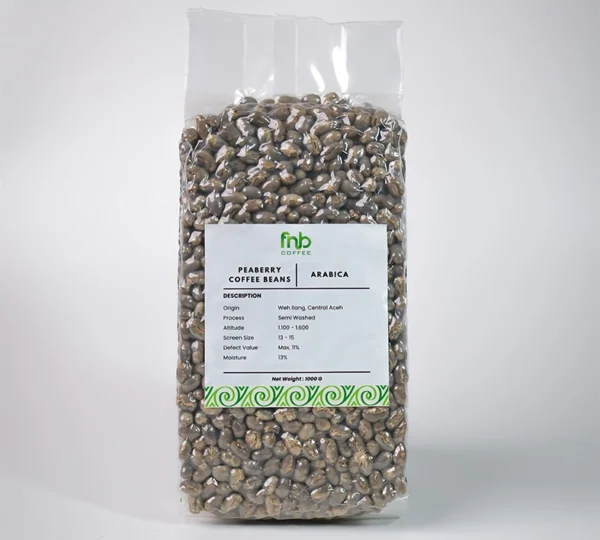
Peaberry Coffee
Note:
* The minimum purchase requirement is USD 100.
* Phyto + Quarantine only for Green Bean USD 28 per order.

I’m Tania Putri, a passionate content writer who truly loves coffee and the stories behind every cup. For me, writing isn’t just about words it’s about creating connection. I specialize in SEO-friendly content that feels natural, human, and engaging, especially in the world of specialty coffee.
I enjoy exploring everything from origin stories and flavor notes to pricing insights and global coffee trends. Whether I’m writing about rare kopi luwak or Ethiopian heirloom beans, I always aim to blend strategy with warmth. Coffee inspires me, and through my writing, I love sharing that passion with others.