



How to Brew Ethiopian Coffee: A Step-by-Step Guide
Ethiopian coffees can taste like jasmine, bergamot, peach, and honey, especially light roasts from regions like Yirgacheffe or Sidama. The trick is repeatability: fresh beans, the right grind, good water, and a method that fits your taste. This guide shows how to brew ethiopian coffee with simple steps, tables, and fixes so you can repeat a café-level cup.
Contents
- 1 Choose Beans That Showcase Ethiopian Flavor (and Store Them Right)
- 2 How to Brew Ethiopian Coffee: Dial In Water, Ratio, and Temperature
- 3 Essential Gear: Minimalist to Newcomers in Coffee
- 4 Brew Ratio Cheat Sheet (Quick Math)
- 5 Water Quality and Bloom Tips
- 6 Pour-Over Method: V60 or Kalita for Clean Florals
- 7 French Press: Sweet, Full, and Forgiving
- 8 AeroPress: Bright, Punchy, and Travel-Friendly
- 9 Traditional Jebena: Ethiopian Coffee Ceremony at Home
- 10 How to Brew Ethiopian Coffee: Method Comparison Table (Pick Your Best Match)
- 11 Common Mistakes (and How to Fix Them)
- 12 Flavor Tweaks for Ethiopian Beans
- 13 FAQ: Quick Answers
- 14 Conclusion
- 15 Abyssinian Coffee
Choose Beans That Showcase Ethiopian Flavor (and Store Them Right)
Start with quality, recently roasted beans. If you’re new to how to brew ethiopian coffee, begin with a washed lot for cleaner feedback while dialing in. When buying, look for:
- Roast level: light to light-medium (preserves citrus and florals)
- Process: washed (clean), natural (berry-forward), honey (sweet)
- Roast date: ideally within 7–21 days for peak aromatics
Store beans airtight, away from heat and sunlight. Skip the fridge; it adds moisture and odors.
How to Brew Ethiopian Coffee: Dial In Water, Ratio, and Temperature
Use filtered water if possible, and set a baseline ratio before tweaking. When people ask how to brew ethiopian coffee consistently, these are the variables that matter most:
| Variable | Best Starting Point | Why It Mtters |
|---|---|---|
| Coffee-to-water ratio | 1:15 to 1:17 | Controls strength and clarity |
| Water temperature | 92–96°C (198–205°F) | Too cool = sour, too hot = bitter |
| Brew time | 2:30–4:30 (method dependent) | Affects extraction level |
| Grind size | medium to medium-fine | Sets flow and contact time |
Fast flavor checks
- Sour / thin: grind finer, raise temp slightly, extend time
- Bitter / harsh: grind coarser, lower temp, shorten time
- Flat: use fresher beans or improve agitation
Essential Gear: Minimalist to Newcomers in Coffee
You don’t need a barista lab. A burr grinder and scale make it much easier to master how to brew ethiopian coffee at home:
- Burr grinder (biggest upgrade)
- Scale
- Gooseneck kettle (helpful for pour-over)
- Fresh filters for your brewer
If you only have pre-ground coffee, French press or AeroPress will be more forgiving.
Brew Ratio Cheat Sheet (Quick Math)
Pick a ratio and multiply. Many brewers like 1:16 for a lighter Ethiopian cup; use 1:15 for more intensity.
| Cups | Coffee (g) | Water (g) at 1:16 | Water (g) at 1:15 |
|---|---|---|---|
| 1 | 18 | 288 | 270 |
| 2 | 30 | 480 | 450 |
| 3 | 45 | 720 | 675 |
Water Quality and Bloom Tips
If your brews taste dull no matter the method, water chemistry is often the hidden culprit. Filtered water with moderate minerals helps acids taste bright and sweetness feel round. As a simple rule, avoid distilled water (can taste flat) and avoid very hard water (can taste chalky).
| Water Note | What to Try |
|---|---|
| Flat, muted cup | Use filtered water or add a pinch of mineralized water |
| Harsh, drying finish | Try softer water or lower temperature 1–2°C |
| Inconsistent drawdown | Rinse filters well and keep the bed level |
For pour-over, bloom well: pour 2–3× the coffee weight, stir or swirl once, then wait 30–45 seconds. This releases trapped CO₂ and reduces channeling. If the coffee is very fresh and puffs up a lot, extend the bloom to 60 seconds before your main pours.
Pour-Over Method: V60 or Kalita for Clean Florals
For a crisp, aromatic cup, many people choose pour-over. Here’s how to brew ethiopian coffee using a V60-style dripper (adjust similarly for Kalita).
Recipe (1 cup)
- Coffee: 18 g
- Water: 270 g
- Grind: medium-fine (like table salt)
- Total time: 2:45–3:30
Steps
- Rinse filter and preheat the dripper and server.
- Add coffee, level the bed, and start timer.
- Bloom with 45–55 g water for 30–45 seconds.
- Pour to reach 150 g by 1:15.
- Continue pouring to 270 g by 2:00–2:15.
- Let drawdown finish; target 2:45–3:30.
Pouring tips
- Keep the stream steady and close to the bed.
- Avoid blasting the sides; it causes channeling.
French Press: Sweet, Full, and Forgiving
French press emphasizes body and sweetness, great for natural Ethiopian lots. If you’re wondering how to brew ethiopian coffee without a gooseneck kettle, start here.
Recipe (2 cups)
- Coffee: 30 g
- Water: 500 g
- Grind: medium-coarse (like sea salt)
- Total time: ~4:30
Steps
- Add coffee, then pour all water.
- Stir gently to wet grounds evenly.
- Steep 4:00 minutes with lid on.
- Break crust, skim foam if desired.
- Plunge slowly and serve immediately.
AeroPress: Bright, Punchy, and Travel-Friendly
AeroPress can highlight citrus and florals while keeping bitterness low. This is an easy way to brew ethiopian coffee when you want speed and control.
Inverted recipe
- Coffee: 16 g
- Water: 240 g
- Grind: fine (between espresso and drip)
- Total time: 2:00–2:30
Steps
- Assemble inverted; add coffee.
- Pour 200 g water, stir 10 seconds.
- Steep to 1:30, then cap with rinsed filter.
- Flip, press slowly 20–30 seconds.
Traditional Jebena: Ethiopian Coffee Ceremony at Home
Brewing in a jebena (clay pot) is ritual and flavor in one. If you want to experience how to brew ethiopian coffee the traditional way, this approach adds rustic depth.
Simple home version
- Use medium grind (slightly coarser than pour-over)
- Add water to the jebena, bring to a gentle boil
- Add coffee, reduce heat, and simmer 2–3 minutes
- Remove from heat, let grounds settle 1–2 minutes
- Pour carefully into small cups, keeping grounds in the pot
How to Brew Ethiopian Coffee: Method Comparison Table (Pick Your Best Match)
Choosing the right brewer depends on what you love most; clarity, body, or convenience. When deciding how to brew ethiopian coffee for your daily routine, use this quick guide:
| Method | Flavor Profile | Difficulty | Best For |
|---|---|---|---|
| Pour-over (V60/Kalita) | Clean, floral, tea-like | Medium | Washed lots, delicate aromas |
| French press | Round, sweet, heavier body | Easy | Naturals, cozy cups |
| AeroPress | Bright, concentrated, smooth | Easy | Travel, quick brews |
| Jebena | Rich, rustic, aromatic | Medium | Ceremony vibes, tradition |
Common Mistakes (and How to Fix Them)
If a cup tastes “off,” troubleshoot one variable at a time. The fastest way to improve how to brew ethiopian coffee is to change only one thing per brew:
- Stale coffee: buy smaller bags, keep sealed
- Blade grinder: upgrade to burr or use a shop grinder
- Too much agitation: can mute florals
- Incorrect water: very hard water flattens acidity
Flavor Tweaks for Ethiopian Beans
Once your baseline is good, make small adjustments. To refine how to brew ethiopian coffee for your palate:
- For more florals: pour-over, slightly cooler water, gentler pours
- Designed for more sweetness: slightly longer brew time, French press
- Intended for more fruit: choose a natural lot, slightly finer grind
- For less bitterness: lower temp 1–2°C and shorten time
FAQ: Quick Answers
What grind is best? Medium-fine for pour-over, medium-coarse for press, fine for AeroPress.
Should I use boiling water? No, aim for ~92–96°C.
How fresh should beans be? Ideally 1–3 weeks off roast for maximum aroma.
Conclusion
Learning how to brew Ethiopian coffee correctly is essential to unlocking the rich flavors and aromas that make this coffee so special. Whether you prefer the full-bodied richness of a French press, the clean and bright flavors from pour-over, or the bold strength of an AeroPress, each brewing method offers a different experience that will enhance your appreciation of Ethiopian coffee.
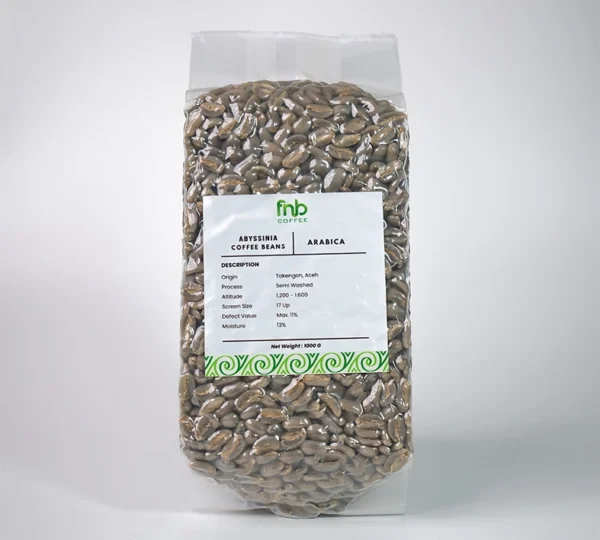
If you’re looking for high-quality Ethiopian coffee beans to brew at home, consider exploring the premium coffee offerings from FNB Tech, where you can find Abyssinian Coffee, a perfect choice for your next brew. With high-quality beans and excellent customer service, FNB Tech is your go-to supplier for the best coffee, including Ethiopian coffee.

Pippo is passionate about coffee beans, exploring their unique varieties and cultural significance. He has a strong interest in agritech, focusing on innovations that drive sustainable farming. Beyond agriculture, he is also dedicated to the field of aquaculture and its future potential. His curiosity and enthusiasm connect these fields, reflecting a commitment to sustainability and growth.
Tags: abyssinian coffee ethiopian coffee how to brew ethiopian coffee