


How is Kopi Luwak Made?
Kopi Luwak, also known as Civet Coffee, is one of the most expensive and unique types of coffee in the world. It is made through a distinctive process involving the digestion of coffee cherries by the civet cat. If you have ever wondered, how is Kopi Luwak made? This article will take you through the fascinating journey of this rare coffee, from its origins to the final cup.
This article explains how is Kopi Luwak made and what makes this coffee stand out among other varieties. By understanding the steps involved in its production, you can better appreciate the complexity and rarity of this particular coffee.
Contents
The Process of How is Kopi Luwak Made
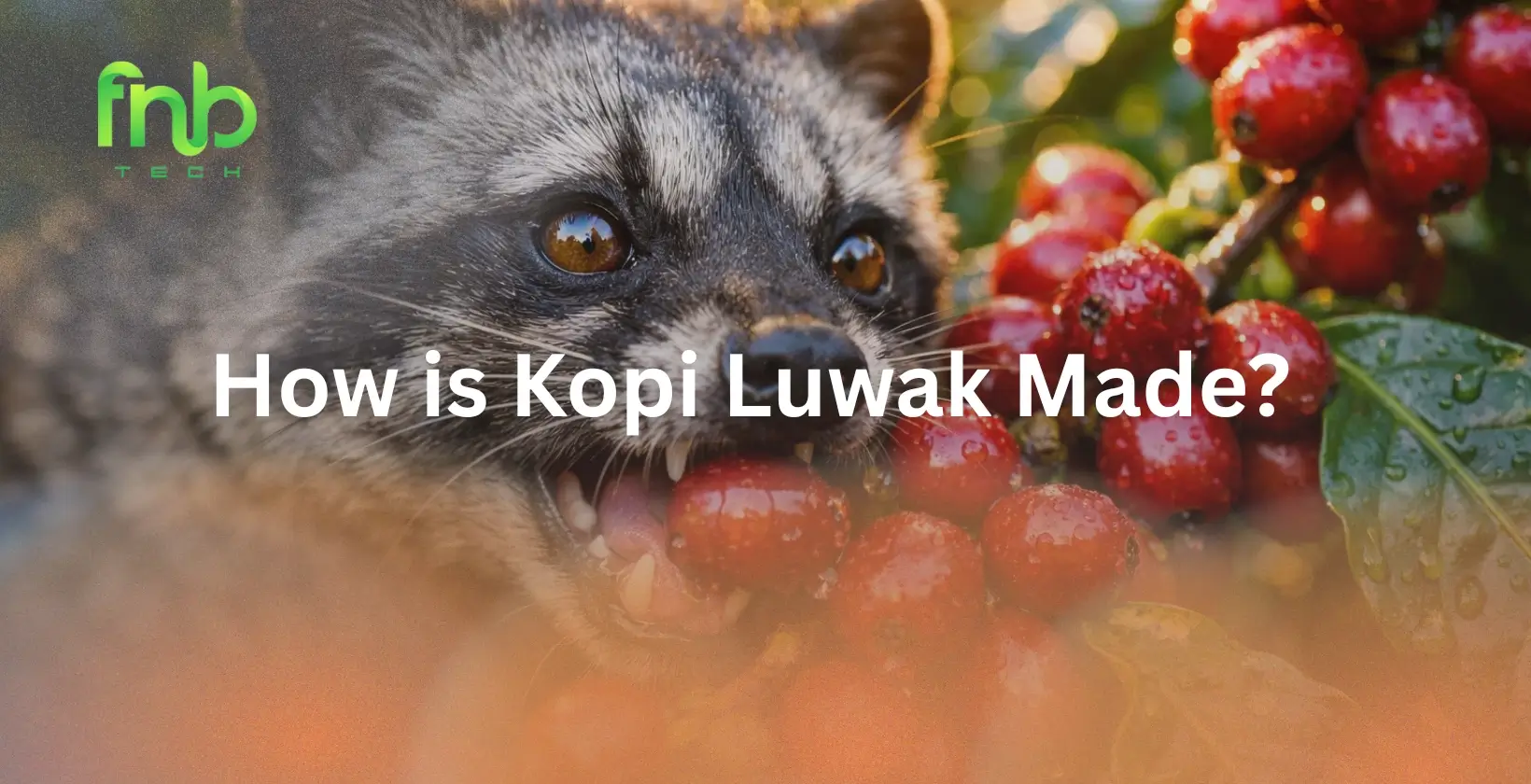
Kopi Luwak is made through a unique and natural process that begins with the civet cat. The first step in how is Kopi Luwak made involves the civet consuming ripe coffee cherries from coffee plants.
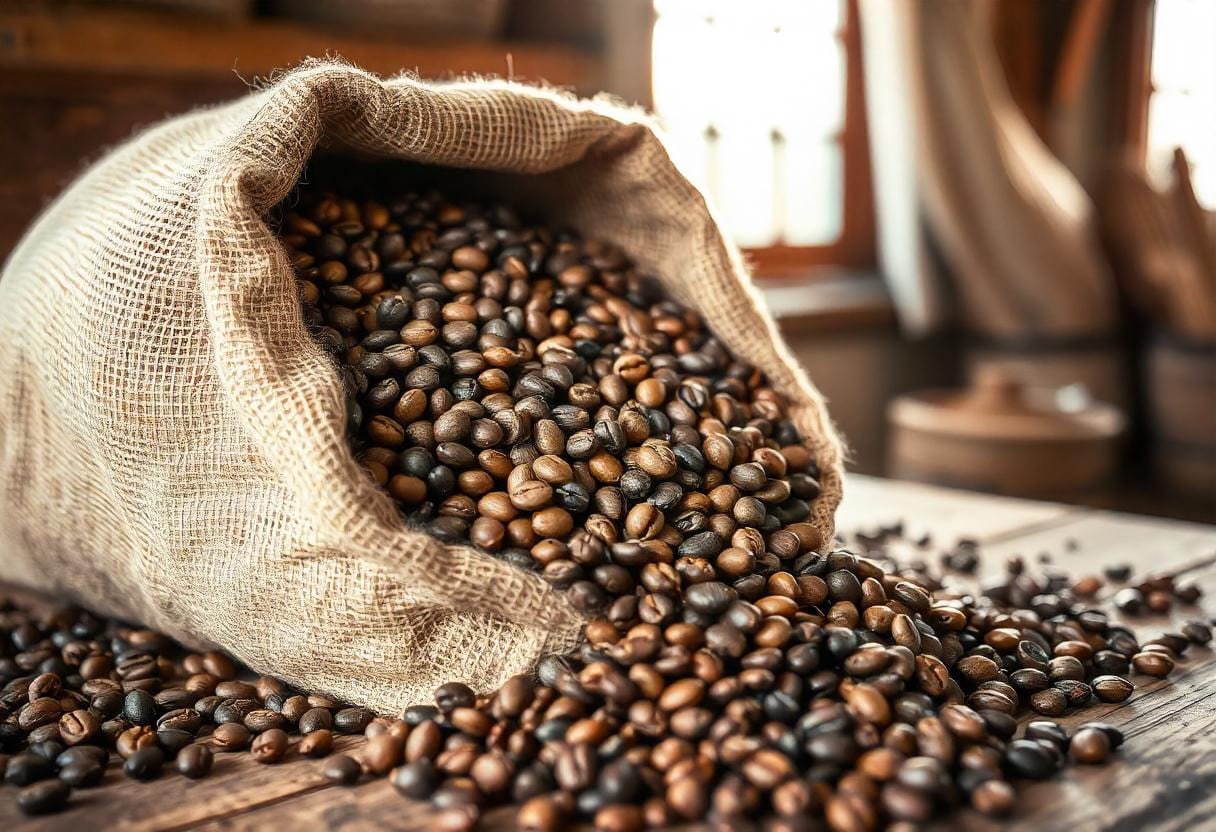
These cherries are the fruit that encases the coffee bean. Once eaten, the cherries pass through the civet’s digestive system, where the beans undergo a fermentation process.
The enzymes in the digestive system are believed to alter the chemical composition of the beans, which contributes to the coffee’s unique flavor profile.
After passing through the digestive system of the civet, the coffee beans are excreted. Farmers then collect the beans from the ground, as they have been separated from the cherries’ pulp.
This step plays a crucial role in answering the question how is Kopi Luwak made because it marks the start of the post-digestion processing phase.
Cleaning and Preparation of the Beans
Once collected, the beans undergo thorough cleaning to remove any impurities or residues. Farmers use a combination of washing and drying techniques to prepare the beans for roasting.
This is another important step in how is Kopi Luwak made since it ensures the beans are clean and ready for the next stage of the process.
After cleaning, the beans are left to dry, usually under the sun, which helps to preserve their natural flavor. The drying process can take several days depending on the weather conditions, but it is essential to ensure that the beans maintain their unique characteristics, which are key to the distinctiveness of Kopi Luwak.
Roasting the Kopi Luwak Beans
The next stage in the production of Kopi Luwak is roasting. How is Kopi Luwak made after the beans are cleaned and dried
The beans are carefully roasted to bring out their flavors. Roasting is a critical step that influences the final taste of the coffee. The beans are roasted at a controlled temperature, allowing them to develop a deep, rich aroma.
Roasting times and temperatures can vary depending on the desired flavor profile, but typically, Kopi Luwak beans are roasted lightly to preserve their unique characteristics.
After roasting, the beans are ground and brewed just like any other coffee, but their distinctive flavor, influenced by the fermentation process, sets them apart from other types of coffee.
The Unique Flavor of Kopi Luwak
One of the primary reasons people are intrigued by how is Kopi Luwak made is the coffee’s remarkable flavor. The process of fermentation in the civet’s digestive system results in a smooth, low-acid coffee with a rich body.
It is known for its earthy, fruity, and sometimes chocolaty taste, with a mild sweetness. The beans also have a very aromatic fragrance that adds to their appeal.
The unique fermentation process is said to break down some of the compounds in the beans that cause bitterness, which is why Kopi Luwak is often described as being less bitter than other types of coffee. The result is a smoother, more balanced coffee that is prized by coffee enthusiasts worldwide.
Ethical Considerations of Kopi Luwak Production
While how is Kopi Luwak made is a fascinating process, it is also important to consider the ethical implications of its production. In recent years, concerns have been raised about the treatment of civets in the coffee industry.
Many civets are kept in captivity and subjected to poor conditions in order to produce this type of coffee. As a result, it is crucial to ensure that the Kopi Luwak you purchase comes from a reputable source that supports sustainable and humane practices.
Some ethical producers focus on sourcing beans from wild civets, ensuring that the process remains natural and the animals are not harmed. It’s essential to choose producers who follow ethical guidelines and provide proper care for the civets involved in the production of this coffee.
Conclusion
Now that you know how is Kopi Luwak made, you can appreciate the effort and uniqueness involved in producing this rare coffee. The process, from the civet’s consumption of coffee cherries to the careful roasting of the beans, is what makes Kopi Luwak one of the most sought-after coffees in the world.
Its distinct taste and the natural fermentation process set it apart from other coffees, making it a true delicacy for coffee lovers.
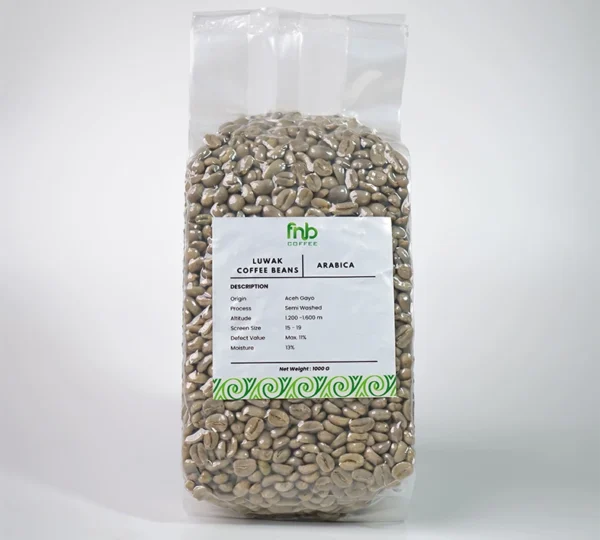
If you’re looking to experience the best quality of Kopi Luwak, consider purchasing from a trusted supplier like FnB Tech, who provides premium, ethically sourced Kopi Luwak coffee from Indonesia. For more details, visit FnB Tech’s Kopi Luwak Coffee.
Kopi Luwak Coffee
Note:
* The minimum purchase requirement is USD 100.
* Phyto + Quarantine only for Green Bean USD 28 per order.
Not sure yet? Get a free sample with a USD 100 deposit! Request Sample

Pippo is passionate about coffee beans, exploring their unique varieties and cultural significance. He has a strong interest in agritech, focusing on innovations that drive sustainable farming. Beyond agriculture, he is also dedicated to the field of aquaculture and its future potential. His curiosity and enthusiasm connect these fields, reflecting a commitment to sustainability and growth.
Tags: civet coffee how is kopi luwak made kopi luwak coffee luwak coffee