


How is Instant Coffee Made? Understanding the Process
Instant coffee is a convenient and quick way to enjoy a cup of coffee. But have you ever wondered how is instant coffee made? This article will provide insights into the production process of instant coffee, its history, and answer some common questions about its characteristics, such as whether it contains caffeine or if it goes bad over time. Let’s dive into the fascinating world of instant coffee.
Contents
What is Instant Coffee?
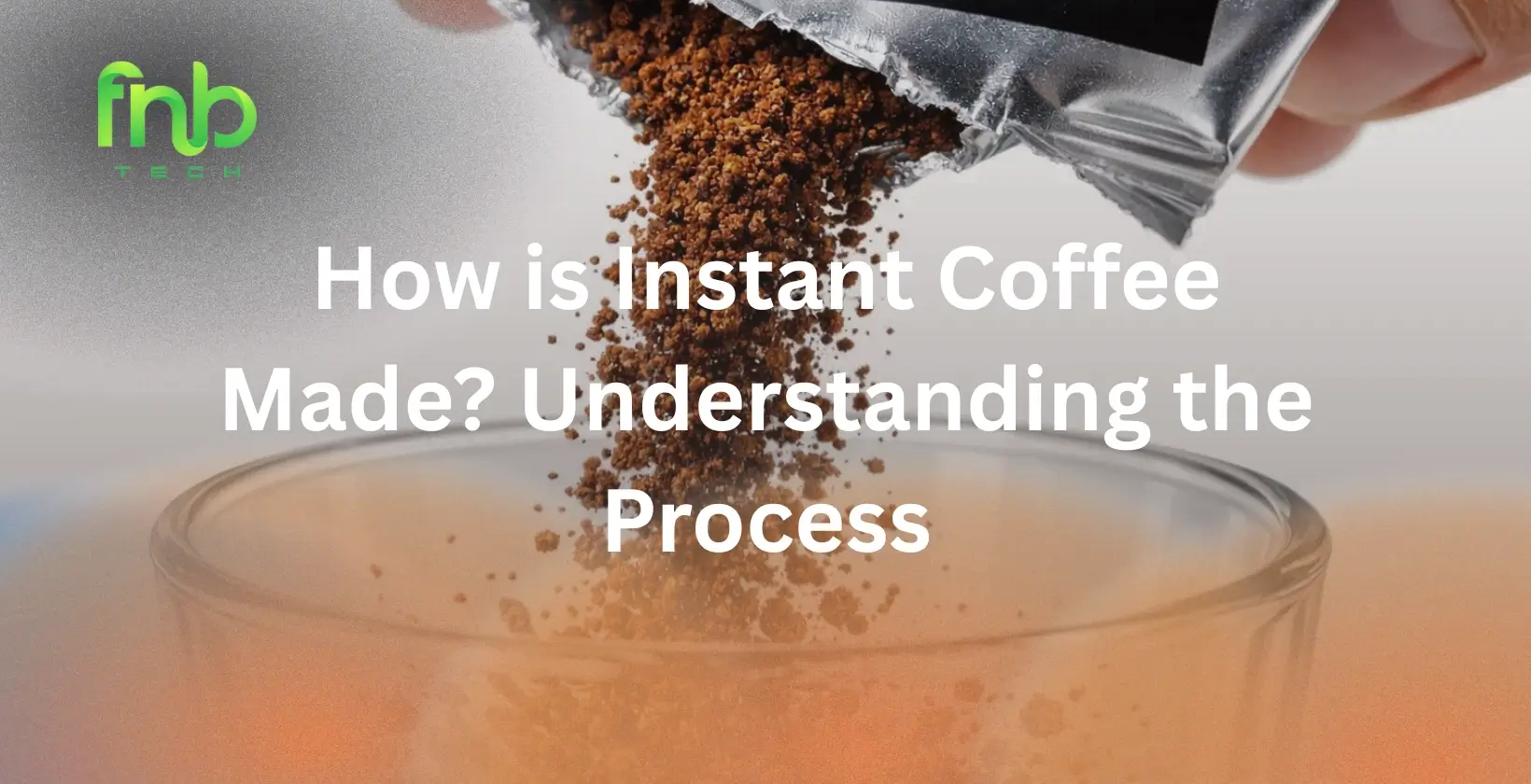
Instant coffee is a type of coffee that has been processed and dehydrated into a powder or granules. Unlike regular brewed coffee, which involves boiling water and brewing ground coffee beans, instant coffee can be prepared by simply mixing the powder with hot water.
This convenience makes it a popular choice for coffee lovers who are looking for a quick caffeine fix, especially in busy settings like offices or while traveling.
Read also: How Much Caffeine in Coffee, Surprising Facts
How is Instant Coffee Made?
So, how is instant coffee made? The process of making instant coffee involves several key steps, ensuring that the coffee retains its flavor and aroma while being easy to rehydrate.
- Coffee Bean Selection: The process begins with the selection of high-quality coffee beans, often Arabica or Robusta. These beans are harvested, cleaned, and roasted to bring out the best coffee flavor.
- Grinding: After roasting, the coffee beans are ground into a fine powder. The grind size depends on the method used to make the instant coffee, but it is generally finer than regular coffee grounds.
- Brewing: The ground coffee is brewed using hot water in large industrial brewing systems. The brewing process extracts the coffee’s flavor and compounds.
- Concentration: After brewing, the coffee is concentrated by removing some of the water content. This results in a rich coffee extract that is more concentrated than regular brewed coffee.
- Drying: The concentrated coffee extract is then dried using one of two methods: spray-drying or freeze-drying.
- Spray-Drying: In this method, the liquid coffee extract is sprayed into hot air, which evaporates the water content quickly, leaving behind fine coffee powder.
- Freeze-Drying: The coffee extract is frozen and then placed in a vacuum chamber where the ice directly turns into vapor, leaving behind granules of coffee.
- Packaging: The dried coffee is then ground further if necessary and packaged into jars or sachets, ready to be sold.
This process of creating instant coffee ensures that it is quick and easy to prepare without compromising much on flavor, making it a popular choice worldwide.
History of Instant Coffee
The history of instant coffee dates back to the early 20th century. The first commercial instant coffee was created by Japanese scientist Satori Kato in 1901.
However, it wasn’t until the 1930s, during the Great Depression, that the popularity of instant coffee soared. With the rise of mass production techniques, instant coffee became a widely accessible and affordable option.
During World War II, instant coffee was given to soldiers due to its convenience. After the war, its popularity grew globally, and today, instant coffee remains a staple in many homes and offices worldwide.
Does Instant Coffee Have Caffeine?
Many people wonder does instant coffee has caffeine? Yes, it does. Instant coffee contains caffeine, although the amount is typically lower than in freshly brewed coffee.
The caffeine content depends on the type of coffee used and the concentration of the coffee extract. On average, a cup of instant coffee contains around 30 to 90 milligrams of caffeine, compared to a regular brewed coffee, which may have up to 120 milligrams per cup.
Does Instant Coffee Go Bad?
Another common question that arises is does instant coffee go bad? Like all food products, instant coffee can lose its flavor and quality over time.
However, because it is dehydrated, it has a long shelf life. If stored in a cool, dry place and sealed properly, instant coffee can last for up to 2 years or more.
After opening the packaging, it’s essential to keep it sealed to prevent moisture and air from degrading the product. If the coffee begins to smell stale or has an off taste, it’s time to discard it. While instant coffee doesn’t spoil in the same way that perishable items do, it can lose its optimal flavor.
Read also: Can Coffee Go Bad? Signs Your Coffee Has Expired
Is Instant Coffee Real Coffee?
Many coffee lovers often wonder whether instant coffee is real coffee. The answer is yes. Instant coffee is made from real coffee beans, but it undergoes a different preparation process compared to traditional coffee. The beans are roasted, ground, brewed, concentrated, and then dried, preserving the essential coffee compounds and flavor.
While some coffee purists may argue that instant coffee lacks the freshness and complexity of freshly brewed coffee, it is still a genuine coffee product. Its convenience and quick preparation make it a valuable option for many people around the world.
How to Use Instant Coffee
Using instant coffee is incredibly easy. To make a cup of instant coffee, all you need is hot water and the coffee powder or granules.
Simply add a teaspoon or two of instant coffee to your cup and pour hot water over it. Stir well, and your coffee is ready to drink. The ratio of coffee to water can be adjusted based on personal preference, whether you like your coffee stronger or lighter.
For those looking to make a more indulgent beverage, instant coffee can also be used in recipes for iced coffee, coffee-flavored desserts, or even as an ingredient in baking.
Conclusion
In conclusion, how is instant coffee made? It’s made by selecting high-quality coffee beans, brewing them into an extract, concentrating, and then drying them using either spray-drying or freeze-drying methods. Instant coffee retains the flavors of real coffee and provides a quick and easy option for those who enjoy coffee on the go.
Instant coffee contains caffeine, though less than brewed coffee, and does have an expiration date. However, with proper storage, it can last for a long time and still maintain its flavor.
Though it may not be as complex as freshly brewed coffee, instant coffee is still real coffee, and it’s an excellent choice for those who need convenience without sacrificing taste.
If you’re looking for the finest coffee beans for making your own premium coffee, visit FnB Tech today, the leading supplier of premium coffee beans from Indonesia.

Pippo is passionate about coffee beans, exploring their unique varieties and cultural significance. He has a strong interest in agritech, focusing on innovations that drive sustainable farming. Beyond agriculture, he is also dedicated to the field of aquaculture and its future potential. His curiosity and enthusiasm connect these fields, reflecting a commitment to sustainability and growth.