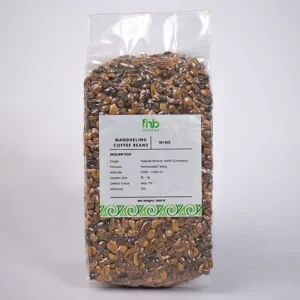




Honey Process Coffee Explained for Roasters and Buyers
Honey process coffee refers to a coffee post-harvest method where mucilage remains on the bean during drying. This article explains the processing steps, chemical effects, flavor attributes, production regions, and commercial relevance. It also outlines quality control factors and brewing compatibility.
Contents
What Is Honey Process Coffee
Honey process coffee uses controlled depulping that removes the cherry skin while retaining part of the mucilage. Farmers dry the beans with this layer intact. The method sits between washed and natural processing based on fermentation exposure.
The retained mucilage contains sugars, pectin, and organic acids. These compounds influence Maillard reactions during roasting. The process originated in Costa Rica during water conservation initiatives in the early 2000s.
You will read next about how each processing stage affects bean chemistry and moisture stability.
Processing Stages and Technical Workflow
Honey process coffee follows a defined post-harvest workflow designed to manage fermentation and drying rates.
- Harvesting uses selective hand-picking to control sugar content
- Depulping removes the outer skin while preserving the mucilage
- Drying occurs on patios or raised beds for 10–20 days
- Turning frequency controls microbial activity and heat buildup
Drying moisture targets range between 10 and 12 percent. Exceeding this range increases mold risk. Under-drying leads to instability during storage and export.
The next section explains how mucilage retention changes chemical composition.
Chemical Impact on Green Coffee Beans
Honey process coffee shows higher residual sugar content than fully washed beans. Studies from World Coffee Research confirm increased glucose and fructose levels.
Documented effects include:
- Increased total dissolved solids after roasting
- Higher non-volatile compound retention
- Reduced acetic acid formation compared to natural processing
These attributes directly affect roasting behavior and extraction yield. You will now read how these chemical traits translate into flavor structure.
Flavor Profile Characteristics
Honey process coffee delivers measurable flavor attributes tied to controlled fermentation. Sensory analysis from Specialty Coffee Association cupping protocols identifies consistent markers.
Common descriptors include:
- Medium to high sweetness perception
- Balanced acidity with lower sharpness
- Increased body due to soluble solids
These traits result from enzymatic activity within the mucilage layer. The following section compares this method with other processing systems.
Comparison With Other Coffee Processing Methods
Honey process coffee occupies a midpoint between washed and natural processing methods.
| Processing Method | Mucilage Presence | Water Usage | Typical Sensory Outcome |
|---|---|---|---|
| Washed | Removed fully | High | Clean acidity, light body |
| Honey | Partial retained | Medium | Sweetness, balanced body |
| Natural | Fully retained | Low | Heavy body, fermented notes |
This comparison shows why buyers select this method for specific roast profiles. Next, you will learn where production occurs at scale.
Read also: Washed Coffee Process, A Practical Guide to a Clean Profile
Producing Regions and Supply Data
Honey process coffee production concentrates in regions with stable drying climates.
Key origins include:
- Costa Rica with documented microlot systems
- El Salvador using shade-drying infrastructure
- Indonesia adapting honey methods in Bali and Gayo
Export data from the International Coffee Organization shows steady volume growth since 2015. The next section explains how roasters apply this coffee in brewing.
Brewing Compatibility and Extraction Control
Honey process coffee performs consistently across multiple brew methods when grind size and ratio are controlled.
Documented performance includes:
- Pour-over methods extracting higher sweetness at 1:16 ratio
- Espresso showing increased crema stability
- Cold brew yielding higher soluble sugar perception
Extraction yield averages range from 19–21 percent under standard parameters. You will now read the closing synthesis of this processing method.
Conclusion
Honey process coffee represents a controlled post-harvest method that balances sugar retention, fermentation control, and water efficiency. The process supports stable supply chains, predictable roasting behavior, and measurable flavor outcomes aligned with specialty coffee standards.
For consistent sourcing and traceable origin lots, FnB Tech provides professionally processed honey-style coffee selections. Explore our curated offerings through this link:
Premium honey-processed coffee from FnB Tech

Pippo is passionate about coffee beans, exploring their unique varieties and cultural significance. He has a strong interest in agritech, focusing on innovations that drive sustainable farming. Beyond agriculture, he is also dedicated to the field of aquaculture and its future potential. His curiosity and enthusiasm connect these fields, reflecting a commitment to sustainability and growth.