

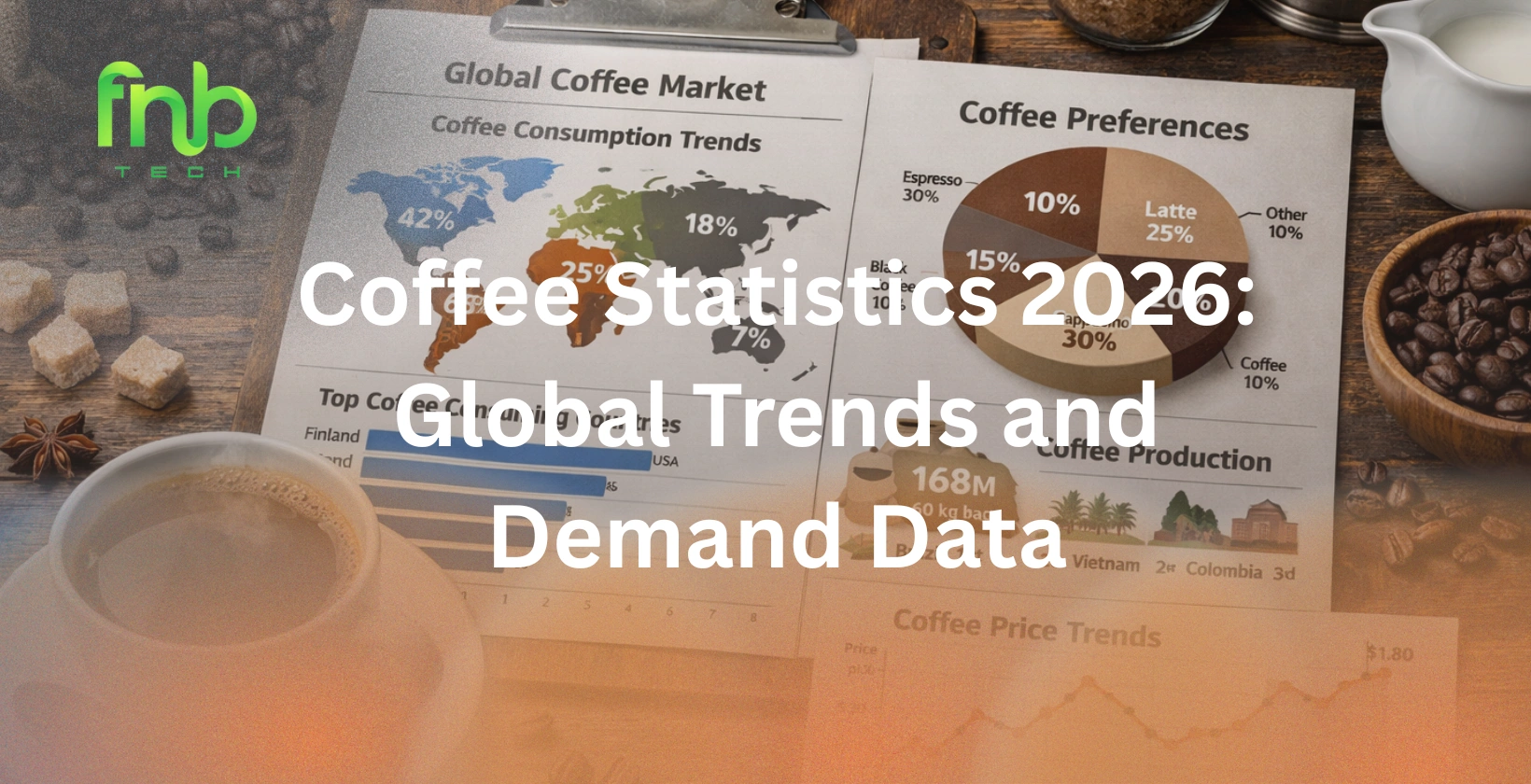

Coffee Statistics 2026: Global Trends and Demand Data
Brands and cafes now compete on clarity, not only taste. Smart teams rely on numbers that guide buying and pricing. coffee statistics turn scattered market signals into clear direction. They help roasters plan stock, staff, and menus with confidence. They also help exporters explain value with simple facts. Meanwhile, readers want quick answers and clean visuals. This guide delivers both, with practical context.
Coffee moves through farms, mills, ships, warehouses, cafes, and homes. Each step creates costs, risks, and timing pressure. Clear metrics help leaders act before margins shrink. coffee statistics also support stronger stories about origin, quality, and value. Therefore, marketers can write clearer pages that win clicks. Also, buyers can compare offers with less guesswork. That mix builds trust and supports steady growth.
Contents
- 1 The Global Importance of Coffee Statistics
- 2 Coffee Industry Data by Region and Consumption Trends
- 3 Production, Trade, and Market Growth in Coffee Statistics
- 4 Health, Lifestyle, and Behavioral Insights from Coffee Industry Data
- 5 Key Numerical Insights and Data Tables in Coffee Statistics
- 6 Conclusion
The Global Importance of Coffee Statistics
Coffee ranks among the most traded farm goods worldwide. Yet markets shift fast when weather, freight, or currency changes. Leaders need steady tracking to avoid costly surprises. Coffee statistics help them spot shifts in supply and demand early. They also help teams set targets for sales, pricing, and new launches. As a result, decision makers act with more confidence. They replace fear with practical planning.
Public reports and company dashboards now shape daily strategy. Roasters watch green costs, while cafes watch menu mix. Importers watch port delays, while coffee exporters watch contract terms. coffee industry data bring these signals into one shared language. Therefore, teams align faster across roles and regions. Also, investors value clear metrics before they fund growth. Strong numbers can support stronger trust.
Coffee Industry Data by Region and Consumption Trends
Regions show different habits, budgets, and channel choices. Some markets lean on cafes, while others lean on home brewing. Climate also shapes demand through seasonal shifts in hot drinks. Coffee statistics help brands map these patterns across months and years. Therefore, planners can match promotions with local peaks. They can also adjust pack sizes for each channel. This approach reduces waste and improves service.
Income growth often changes coffee choices over time. Cities may add specialty shops, while towns may prefer instant options. Social media also drives new menu trends and seasonal flavors. coffee statistics reveal which trends last beyond a short hype cycle. As a result, managers choose safer menu tests and smarter store rollouts. They also plan staffing with better timing. Better timing protects margins.
North America
North America tracks cafe visits, at-home brewing, and ready-to-drink growth. Large chains watch average ticket size and morning rush patterns. Grocery sales rise when brands offer price cuts and bundles. Cold brew keeps share through summer, then slows in winter. Instant options gain space as offices push faster service lines.
Europe
Europe records high home brewing rates and strong espresso traditions. Households buy beans, pods, and ground packs across tiers daily. Supermarkets drive volume through private labels and seasonal offers often. Specialty cafes compete with bakeries for morning traffic in cities. Brands track eco labels because shoppers demand clear sourcing details and coffee statistics.
Asia-Pacific
Asia-Pacific shows fast growth in cafes and ready-to-drink shelves today. Cities add new store formats in malls and transit hubs. Brands test sweet menus and milk drinks for broader reach. Convenience stores shape demand through chilled cases and bundle deals. Holiday gifting spikes sales for premium cans and boxed sets.
Latin America
Latin America mixes strong export roles with growing local demand and valid coffee statistics. Cities expand cafe culture and delivery for quick service orders. Homes keep traditional brews, while shops add modern espresso bars. Brands watch price swings because budgets shift during inflation waves. Producers also track local buyers that absorb smaller sorted lots.
Middle East
The Middle East supports vibrant cafes and strong hospitality service. Customers pair hot coffee with sweets during social visits often. Modern chains expand in malls, airports, and busy business districts. Ready-to-drink options grow as brands win cooler season demand too. Premium cues lift sales, so brands refine gifts and packaging.
Africa
Africa shows diverse demand and coffee statistics across capitals, towns, and rural areas. Urban cafes grow, while home use stays simple and steady. Brands track mobile payments and delivery growth in major cities. Local roasting rises where power and roads support reliable supply. Producers watch local markets that buy lower grades and byproducts.
Production, Trade, and Market Growth in Coffee Statistics
Supply begins with weather, farm care, and harvest timing. Drought, rain swings, and pests can cut yields quickly. Growers respond with pruning, shade, and better picking routines. Traders then react through contracts, hedging, and stock planning. These moves shape price swings across months. Clear tracking helps buyers avoid panic purchases. It also helps sellers plan stable offers.
Trade flows connect origin to roaster demand through shipping lanes. Port delays and container prices change landed costs fast. Importers track lead times to protect fresh arrivals. coffee statistics help teams compare origins by volume, grade, and price range. Therefore, they can shift sourcing when risk rises. They also plan blends that fit budget and taste targets. This balance supports steady growth.
- Global seasons often deliver 160 to 180 million 60-kg bags.
- Brazil often supplies about one third of world exports.
- Vietnam often ships over 25 million bags in strong years.
- Arabica prices can swing over 30% within a single year.
- Freight costs in coffee statistics can double during disruption spikes in key routes.
- Large roasters often lock 60% of needs through forward contracts.
- New café store counts can grow 5% yearly in fast cities.
Health, Lifestyle, and Behavioral Insights from Coffee Industry Data
Brands also track how coffee fits daily routines and wellness goals. Timing, portion size, and drink type shape the experience. Shops see strong morning demand, then a smaller afternoon wave. coffee statistics help cafes plan bar staffing and prep work. They also guide menu design for lower sugar options. As a result, shops can support comfort and steady energy. They can also reduce waste from slow items.
Lifestyle trends also influence product choices across channels. Some customers pick plant milk, while others pick black coffee. Fitness culture can raise demand for cold brew and low sugar drinks. These metrics help brands test shifts without chasing every fad. Therefore, they can build menus that feel current and reliable. They also train staff with clearer scripts. Better scripts improve order speed and satisfaction.
Key Numerical Insights and Data Tables in Coffee Statistics
Numbers matter most when they answer common search questions. Readers often want quick totals, simple rankings, and clear changes. Writers can structure data to fit snippets and quick scans. coffee statistics support that structure through clean ranges and simple labels. Therefore, articles can earn stronger clicks and longer reading time. They also help brands gain trust through clear transparency.
Teams also need context, not only raw totals. A high output year can still bring tight supply. Strong demand can still hide shifts between channels. Clear metrics help leaders connect totals with practical actions. As a result, teams can plan blends, pricing, and promotions with fewer shocks. They also set realistic goals for store growth. Clear goals support steady progress.
| Metric | Typical recent range | Why it matters |
|---|---|---|
| Global annual output | 160–180 million 60-kg bags | Guides supply planning and risk control |
| Global exports | 115–130 million 60-kg bags | Signals trade flow and shipping demand |
| Top origin share | 30–35% from a single country | Shows concentration risk in supply |
| Ready-to-drink growth | 8–12% yearly in fast markets | Guides product launches and shelf space |
| Cafe visit share | 35–55% of total spend in cities | Helps plan store staffing and menus |
Conclusion
Strong analysis starts with clear questions and simple definitions. Teams should track volume, price, and timing with the same rules. They should also note channel shifts between cafes, retail, and online sales. Good dashboards help leaders act early and stay calm. Also, clear charts help writers earn featured snippets. A steady routine builds stronger results.
When teams align on metrics, decisions move faster and friction drops. Coffee statistics create that alignment through shared benchmarks and clear ranges. With FNB Tech, buyers can turn data into reliable supply plans, reduce waste, and protect margins. Cafe teams gain confidence in staffing and prep, while sourcing quality coffee that sells.

I’m Tania Putri, a passionate content writer who truly loves coffee and the stories behind every cup. For me, writing isn’t just about words it’s about creating connection. I specialize in SEO-friendly content that feels natural, human, and engaging, especially in the world of specialty coffee.
I enjoy exploring everything from origin stories and flavor notes to pricing insights and global coffee trends. Whether I’m writing about rare kopi luwak or Ethiopian heirloom beans, I always aim to blend strategy with warmth. Coffee inspires me, and through my writing, I love sharing that passion with others.
Tags: coffee consumption data coffee consumption statistics coffee industry data coffee industry statistics coffee market data coffee market statistics coffee production statistics coffee sales statistics coffee statistics coffee trade statistics coffee trends data global coffee statistics specialty coffee statistics world coffee data