



10 Coffee Benefits: More Than Just An Energy Boost
For many, the day does not truly begin until that first cup of coffee is enjoyed. While the immediate perk-up is the most recognized effect, a growing body of scientific evidence reveals a wide array of substantial health advantages associated with moderate coffee consumption. This article delves into ten evidence-based coffee benefits, moving beyond the caffeine kick to explore its profound impact on physical and cognitive health.
It is crucial to define moderate consumption, which most health authorities peg at 3-5 cups per day, typically providing up to 400 mg of caffeine. The following coffee benefits are primarily linked to black coffee, as added sugar, cream, and syrups can introduce negative health factors.
Contents
- 1 1. Enhanced Physical Performance and Endurance
- 2 2. Significant Boost in Cognitive Function and Alertness
- 3 3. Rich Source of Potent Antioxidants
- 4 4. Support for Brain Health and Neurodegenerative Disease Risk Reduction
- 5 5. Potential Protection Against Type 2 Diabetes
- 6 6. Promotion of Liver Health
- 7 7. Support for Heart Health and Stroke Risk Reduction
- 8 8. Assistance with Weight Management and Fat Burning
- 9 9. Potential Reduction in Depression and Improved Mood
- 10 10. Contribution to Longevity and Overall Mortality Reduction
- 11 Conclusion
1. Enhanced Physical Performance and Endurance
The primary coffee benefits for athletes and fitness enthusiasts are linked to its caffeine content. Caffeine works by increasing adrenaline levels in the blood.
This hormone prepares the body for intense physical exertion. Furthermore, caffeine directly stimulates the nervous system, signaling fat cells to break down body fat, making free fatty acids available as fuel.
A comprehensive review published in the British Journal of Sports Medicine concluded that caffeine ingestion consistently enhances performance across various exercise types. Based on the analysis of over 300 studies, caffeine improves endurance, high-intensity exercise output, and strength performance, the authors noted. This makes a cup of coffee an effective pre-workout beverage.
2. Significant Boost in Cognitive Function and Alertness
Caffeine is a central nervous system stimulant, and its most celebrated effect is warding off drowsiness and improving mental alertness. It functions by blocking the inhibitory neurotransmitter adenosine.
When adenosine is blocked, the activity of other neurotransmitters like dopamine and norepinephrine increases, leading to enhanced firing of neurons.
A study from Harvard T.H. Chan School of Public Health found that caffeine’s stimulant effects can lead to improvements in various aspects of brain function, including memory, mood, vigilance, energy levels, and general cognitive function. Quoted from the research, the neuroprotective effects of caffeine are observed in improved reaction times and logical reasoning during periods of fatigue.
3. Rich Source of Potent Antioxidants
For individuals following a Western diet, coffee may be one of the healthiest beverage choices due to its high antioxidant content. Coffee is rich in powerful antioxidants, such as hydrocinnamic acids and polyphenols. Antioxidants fight inflammation and combat free radicals, unstable molecules that can cause cellular damage.
Research in the Journal of Agricultural and Food Chemistry has shown that, for many people, coffee represents a larger source of antioxidants than fruits and vegetables combined.
Cited from the study, the high concentration of chlorogenic acid in coffee contributes significantly to the total antioxidant capacity of an individual’s diet, highlighting its role in combating oxidative stress.
4. Support for Brain Health and Neurodegenerative Disease Risk Reduction
Some of the most promising coffee benefits are related to long-term brain health. Several epidemiological studies suggest that regular, moderate coffee consumption is associated with a significantly lower risk of developing neurodegenerative diseases like Alzheimer’s and Parkinson’s.
A meta-analysis of Alzheimer’s Disease reported that coffee drinkers had up to a 65% lower risk of developing Alzheimer’s disease. Similarly, research published in the Journal of the American Medical Association found a strong inverse association between caffeine intake and the risk of Parkinson’s disease, with a risk reduction ranging from 32% to 60%.
The neuroprotective coffee benefits are attributed to caffeine and the presence of antioxidants like eicosanoyl-5-hydroxytryptamide.
5. Potential Protection Against Type 2 Diabetes
A substantial body of research has linked regular coffee consumption with a markedly reduced risk of developing Type 2 Diabetes. This is one of the most widely studied coffee benefits, with some studies showing a risk reduction as high as 30-50% for heavy coffee drinkers.
A large-scale review of 30 studies, published in Diabetes Care, concluded that each additional cup of coffee consumed per day was associated with a 7% reduced risk of developing Type 2 Diabetes.
The authors stated, Based on our findings, both caffeinated and decaffeinated coffee are associated with a lower risk, suggesting that compounds other than caffeine, such as chlorogenic acid and magnesium, are responsible for this protective effect.
6. Promotion of Liver Health
The liver is a vital organ that performs hundreds of essential functions. Interestingly, coffee appears to be highly protective against liver diseases. Coffee drinkers have a much lower risk of developing conditions like cirrhosis, liver fibrosis, and liver cancer.
A landmark study in the Journal of Hepatology found that drinking more than three cups of coffee per day was associated with a 70% reduced risk of cirrhosis. Another analysis showed that increasing coffee consumption by two cups per day was linked to a 43% reduced risk of liver cancer.
Quoted from the World Health Organization’s International Agency for Research on Cancer, we concluded that coffee consumption is associated with a reduced risk for hepatocellular carcinoma, a common type of liver cancer.
7. Support for Heart Health and Stroke Risk Reduction
While caffeine can cause a short-term increase in blood pressure, long-term studies do not support the idea that coffee raises the risk of heart disease. In fact, evidence suggests a protective effect. Moderate coffee consumption has been associated with a lower risk of heart failure and stroke.
A major meta-analysis published in Circulation, the journal of the American Heart Association, analyzed data from hundreds of thousands of individuals. The researchers concluded, cited from the analysis, Moderate coffee consumption was inversely associated with risk of heart failure, with the largest risk reduction found for those consuming 4 servings per day.
The polyphenols in coffee are believed to contribute to these coffee benefits by reducing inflammation and improving blood vessel function.
8. Assistance with Weight Management and Fat Burning
As mentioned in the context of physical performance, caffeine is a common ingredient in commercial fat-burning supplements. It is one of the few natural substances proven to aid fat burning. Caffeine can boost the metabolic rate by 3-11%, with larger doses having a more significant effect.
A study in the American Journal of Clinical Nutrition demonstrated that caffeine increased thermogenesis and fat oxidation. The researchers noted that the stimulation of thermogenesis and lipid oxidation by caffeine supports its potential role in body weight management. These metabolic coffee benefits make it a useful, low-calorie beverage for those managing their weight.
9. Potential Reduction in Depression and Improved Mood
Mental health is a critical component of overall well-being, and coffee may play a positive role. The caffeine in coffee acts on brain receptors for adenosine, but it also influences other neurotransmitters, including dopamine and serotonin, which are associated with mood regulation.
A large study from the National Institutes of Health involving over 260,000 participants found an inverse relationship between coffee consumption and the risk of depression. Another study from Harvard School of Public Health found that women who drank four or more cups of coffee per day had a 20% lower risk of becoming depressed.
Based on our cohort study, the risk of depression decreased in a dose-dependent manner with increasing consumption of caffeinated coffee, the authors reported.
10. Contribution to Longevity and Overall Mortality Reduction
Given that coffee drinkers are less likely to get many diseases, it is logical that coffee could also help people live longer. Several large observational studies indicate that coffee consumption is linked to a lower risk of death from all causes.
A massive study published in the Annals of Internal Medicine that included over half a million people across Europe found that men who drank the most coffee had a 12% lower risk of death, while women had a 7% lower risk over the study period.
A similar study in a diverse U.S. population echoed these findings. The researchers stated, Quoted from the study, Higher consumption of coffee was associated with lower risk for death in African Americans, Japanese Americans, Latinos, and whites.
Conclusion
The scientific consensus, built upon decades of research involving millions of participants, strongly supports the notion that moderate coffee consumption is far more than a habit for wakefulness. The documented coffee benefits span from enhanced daily cognitive and physical performance to profound long-term protection for major organs like the brain, liver, and heart.
The combination of caffeine and a rich matrix of powerful antioxidants makes coffee a unique beverage with significant health-promoting properties. While individual tolerance to caffeine varies, for the majority of adults, incorporating 3-5 cups of black coffee into a balanced diet can be a valuable component of a healthy lifestyle.
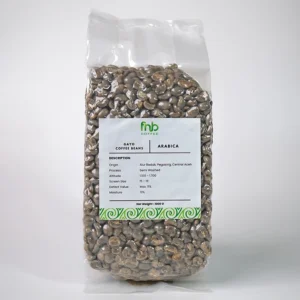
Experience the Proven Coffee Benefits with Premium Beans from FnB Tech
The extensive coffee benefits outlined are best harnessed when starting with the highest quality coffee beans. To truly elevate your health and your coffee experience, the foundation is premium, sustainably sourced coffee.
FnB Tech, as a leading supplier of the finest coffee beans from Indonesia, provides a direct link to this quality. Indonesia’s unique terroir, spanning regions like Aceh, Toraja, and Bali, produces some of the world’s most distinct and flavorful Robusta and Arabica beans, known for their rich antioxidant profiles and deep, complex notes.
Whether you prefer the higher caffeine content and bold, earthy character of premium Robusta beans or the smoother, more nuanced acidity and aroma of specialty Arabica beans, FnB Tech ensures you receive freshly sourced, expertly processed beans.
By choosing the best coffee beans from Indonesia, you are not just brewing a delicious cup; you are making an informed investment in your well-being, backed by the science of coffee benefits. Explore the FnB Tech collection today and taste the difference that quality makes.

Pippo is passionate about coffee beans, exploring their unique varieties and cultural significance. He has a strong interest in agritech, focusing on innovations that drive sustainable farming. Beyond agriculture, he is also dedicated to the field of aquaculture and its future potential. His curiosity and enthusiasm connect these fields, reflecting a commitment to sustainability and growth.