


Breve Milk Explained and How It Changes Coffee Texture
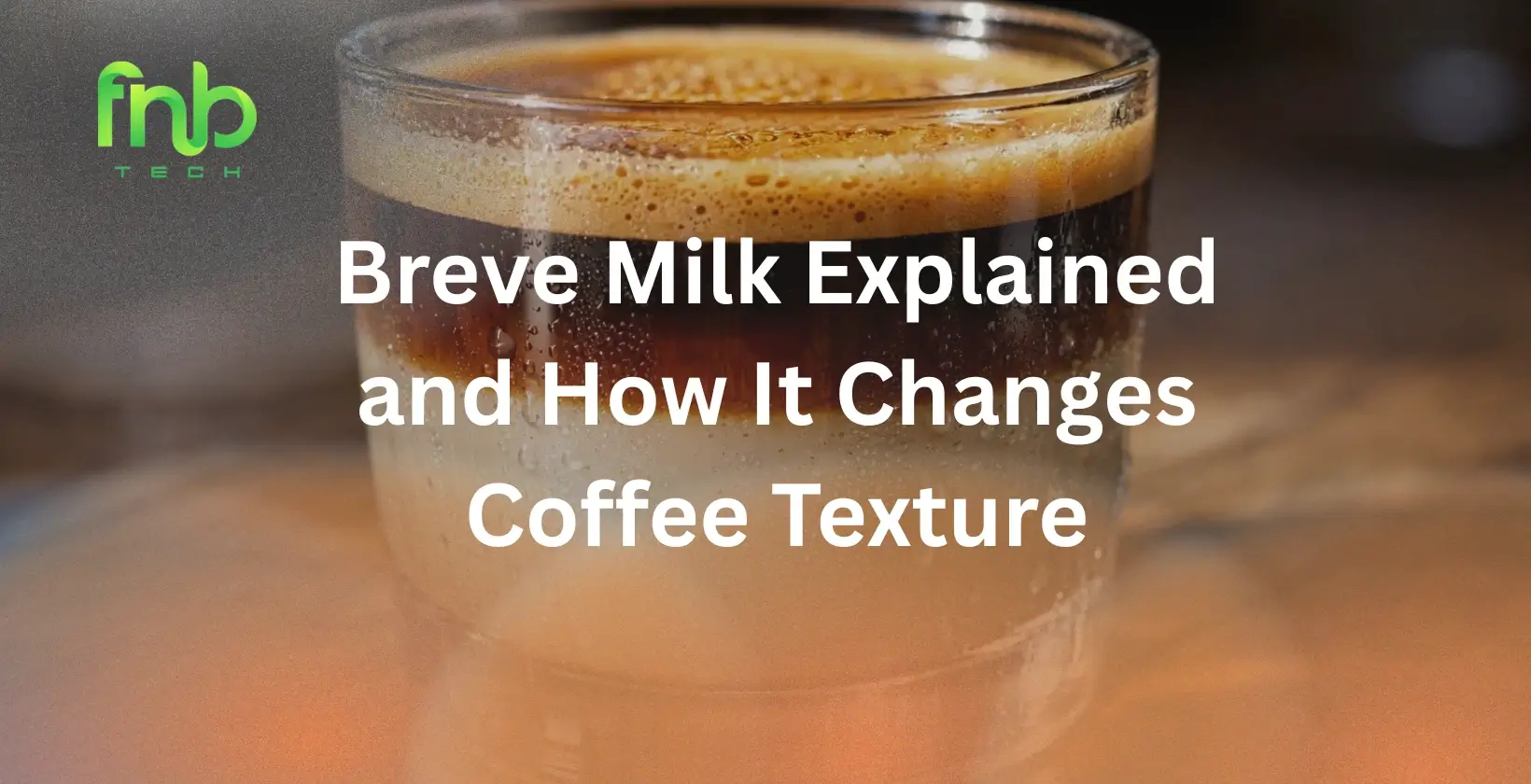
Breve milk refers to half-and-half used in espresso drinks instead of regular milk. In coffee service, half-and-half is a blend of milk and cream, which gives drinks a thicker body, richer mouthfeel, and higher fat content than standard steamed milk.
This article explains what it is, how it differs from regular milk, how it behaves in hot coffee drinks, its nutritional profile, and why it creates a distinct texture in café beverages. It also clarifies where the term is used and how it connects to the drink commonly known as a breve.
Contents
What Is a Breve
A breve milk is an espresso-based drink prepared with steamed half-and-half rather than whole milk or skim milk. In many coffee shops, the word “breve” does not describe the coffee bean, roast level, or brewing method. It describes the dairy component used in the beverage.
Half-and-half is made by combining milk and cream. Because cream contains more milk fat than standard milk, the resulting dairy mixture creates a denser liquid. When steamed, it produces a smooth and heavy texture. That is the defining characteristic of drinks built with breve milk.
A breve is often compared with a latte because both drinks usually contain espresso and steamed dairy. The primary difference is the liquid used. A latte uses milk. A breve uses half-and-half. That single substitution changes the drink’s body, caloric value, and foam behavior.
How Breve Milk Is Made
Breve milk is not a special species of milk. It is the café term used when half-and-half becomes the steaming base for the drink. Half-and-half generally contains more fat than whole milk because it includes cream. In practical beverage preparation, this changes the emulsion formed during steaming.
When baristas steam half-and-half, the liquid expands less aggressively than lower-fat milk. It can still create microfoam, but the foam tends to be heavier and more compact. The result is a beverage with a creamy surface and a fuller body.
This composition affects texture in three direct ways.
First, fat coats the palate more noticeably than milk alone.
Second, the drink feels thicker from the first sip to the finish.
Third, espresso bitterness is softened because fat reduces the sharpness of roasted notes on the tongue.
These are physical effects of dairy composition, not matters of preference.
Read also: Single Origin Specialty Coffee, A Practical Guide to Quality
How It Differs From Regular Milk in Coffee
Regular milk used in coffee is usually whole milk, low-fat milk, skim milk, or plant-based alternatives. Each option behaves differently under heat because protein, sugar, and fat levels vary.
Whole milk is the most common standard for lattes because it balances sweetness, foam stability, and body. Skim milk creates more foam volume but a lighter body.
Low-fat milk sits between the two. Plant-based alternatives depend on the product formula and stabilizers.
Half-and-half differs because its fat level is higher than any of those dairy options except heavy cream. That higher fat content makes the finished drink richer and more filling. It also means the beverage is less airy than a traditional latte.
In café terminology, breve milk changes the drink from a standard milk-based espresso beverage into a richer dairy-based variation. The espresso ratio may remain similar, but the sensory result is not the same. The body becomes heavier, the aftertaste lasts longer, and the dairy flavor becomes more dominant.
Why Texture Changes So Much
Texture in milk-based coffee depends on a combination of fat, protein, temperature, and steam incorporation. Milk proteins help trap air during steaming. Fat affects how the liquid feels in the mouth and how stable the foam remains once poured.
Half-and-half contains enough fat to create a dense and silky result. It does not behave like heavy cream, which is often too thick for standard latte-style pouring. It also does not behave like whole milk, which produces a lighter, more elastic foam. It sits between those two endpoints.
That is why breve drinks often feel smooth rather than fluffy. The foam layer is usually more integrated into the drink instead of forming a tall cap. The beverage can also appear slightly glossier because of the cream content.
For espresso drinks, this matters because texture changes flavor delivery. A thicker dairy base slows the perception of acidity and can make chocolate, caramel, nut, and vanilla notes feel more pronounced. The espresso itself is still the same extraction, but the structure of the drink changes how the palate receives it.
Nutritional Characteristics
A drink made with half-and-half contains more calories and more saturated fat than a drink made with regular milk. This is a direct result of cream in the dairy mixture. Protein remains present, but the balance shifts toward a higher fat profile.
In a café setting, the exact nutritional value depends on cup size, the number of espresso shots, and the volume of steamed dairy added. A small breve contains less total dairy than a large one, but the liquid itself remains more energy-dense than standard milk.
This distinction matters for menu labeling and customer understanding. A breve is not simply a latte with a different name. It is a different dairy format with measurable nutritional differences.
Because breve milk is richer, the same serving volume can feel more substantial than a comparable milk-based drink. That physical density often affects serving decisions, especially in specialty coffee menus where drink balance is important.
Common Drinks That Use This Style
The most common example is the caffe breve, an espresso drink that resembles a latte in structure but uses steamed half-and-half. Some cafés also apply the same dairy base to flavored espresso beverages such as vanilla, caramel, or mocha drinks.
In these cases, the purpose is consistency of body and sweetness perception. Rich dairy can support dessert-style flavor profiles because it adds weight and reduces the sharp edges of espresso bitterness.
However, not every café lists breve as a separate menu category. Some shops treat it as a customization option. A customer may order a latte and request half-and-half instead of milk. In other shops, breve is built into the menu as a standard drink.
The terminology can vary by region and by coffee chain, but the preparation principle remains the same.
When It Works Best in Coffee
This dairy style is most effective in espresso drinks where the goal is a rich texture and a mellow finish. It fits drinks with chocolate-based syrups, nut flavors, or darker espresso roasts because the heavier dairy can support those flavor structures.
It is less common in drinks designed to highlight high-acid or delicate espresso profiles. In those cases, whole milk or a lighter dairy base often allows more of the bean’s acidity and aromatics to remain clear.
Temperature control is also important. Overheating half-and-half can flatten texture and reduce the clean integration of foam. Proper steaming keeps the liquid smooth and prevents separation.
Conclusion
Breve milk is half-and-half used as the dairy base in espresso drinks. Its defining effect is a thicker body, richer mouthfeel, and softer flavor delivery compared with regular milk. The difference comes from dairy composition, especially the presence of cream and the higher fat content that follows.
In practical coffee preparation, this creates a heavier drink than a latte, a denser foam structure, and a more substantial finish. Understanding breve milk helps explain why a breve tastes and feels different even when the espresso recipe stays similar.
Looking for high-quality coffee to pair with richer espresso drinks and café menus? Explore premium Indonesian coffee beans from FnB Tech.
FAQ
Is a breve the same as a latte
No. A latte uses milk, while a breve uses steamed half-and-half. Both are espresso-based drinks, but their dairy base is different.
Does a breve contain more fat than a regular milk coffee
Yes. Half-and-half contains cream, so it has more fat than standard milk used in most lattes.
Can baristas make latte art with breve
It is possible, but the texture behaves differently from whole milk. The foam is denser and heavier, so pouring control can change.
Is a breve sweeter than a latte
It can taste richer and softer because fat changes flavor perception, but sweetness also depends on the espresso, dairy, and any added syrup.
Does every coffee shop use the term breve the same way
No. Some cafés list it as a menu item, while others treat it as a milk substitution using half-and-half.

Pippo is passionate about coffee beans, exploring their unique varieties and cultural significance. He has a strong interest in agritech, focusing on innovations that drive sustainable farming. Beyond agriculture, he is also dedicated to the field of aquaculture and its future potential. His curiosity and enthusiasm connect these fields, reflecting a commitment to sustainability and growth.