

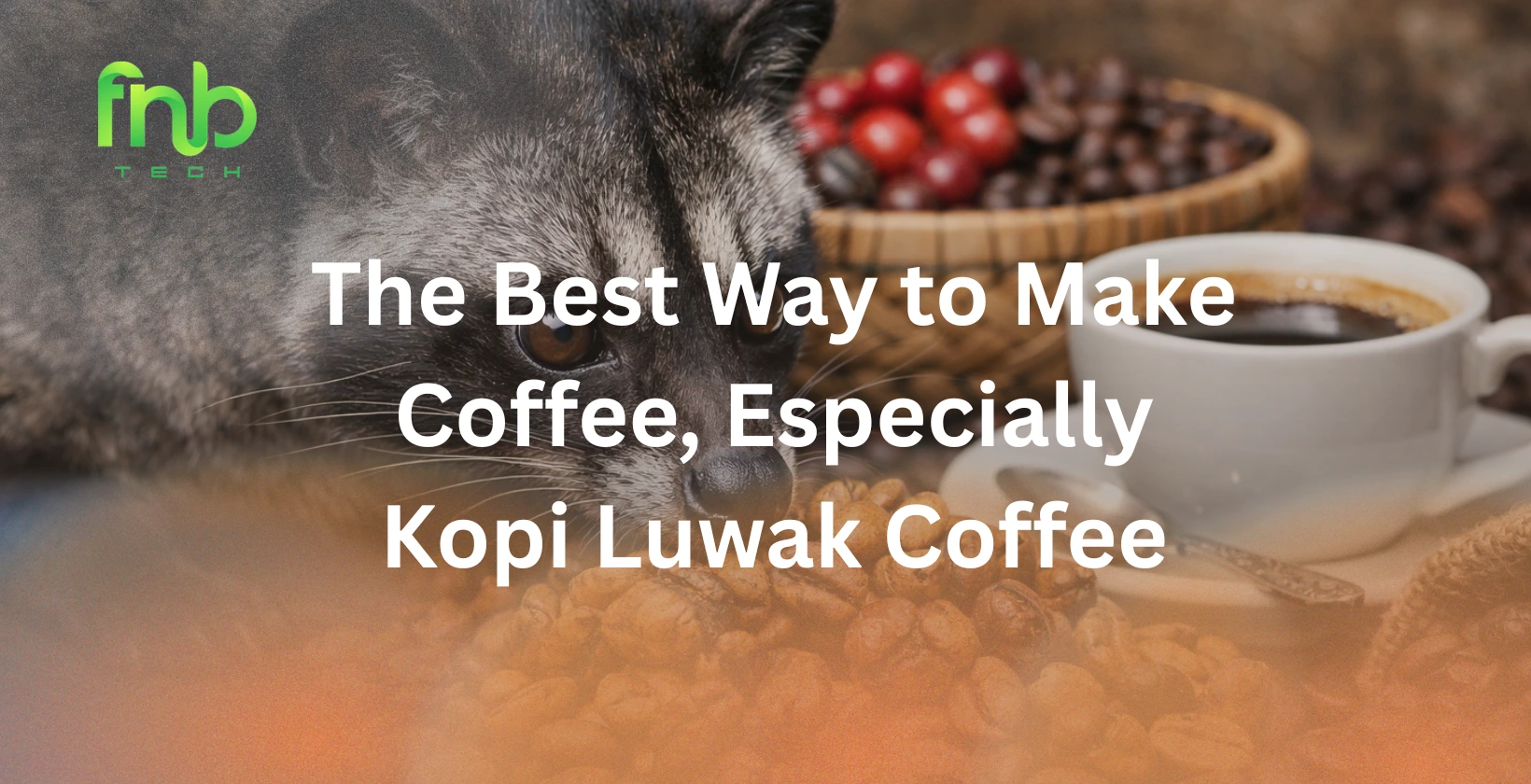

The Best Way to Make Coffee, Especially Kopi Luwak Coffee
Yes, you read that right. Some of the most expensive and arguably most delicious coffee in the world starts its life inside an animal’s digestive system. Strange as that sounds, the best way to make coffee might just involve beans that have taken quite the unconventional journey before reaching your cup.
If you sell coffee, run a café, or simply want to offer customers something genuinely unforgettable, understanding this niche is no longer optional. Animal-processed coffees from the famous Kopi Luwak to the lesser-known Black Ivory Coffee are carving out serious demand in the specialty coffee world. And knowing how to talk about them, brew them, and source them responsibly? That’s where your competitive edge lives.
So, let’s pull back the curtain on this fascinating category, explore why it commands such extraordinary prices, and walk through the best way to make coffee from these rare beans so your customers get every last note of flavor in the cup.
Contents
- 1 The Wild Science Behind Poop Coffee
- 2 Types of Animal-Processed Coffee: A Buyer’s Comparison
- 3 The Best Way to Make Coffee from Animal-Processed Beans
- 3.1 Choosing Your Brew Method: Not All Methods Are Equal
- 3.2 Step-by-Step: The Best Way to Make Coffee from Kopi Luwak Beans
- 3.3 Source and Store Correctly
- 3.4 Grind Fresh and On Demand
- 3.5 Use Filtered Water at the Right Temperature
- 3.6 Bloom Your Grounds (For Pour Over)
- 3.7 Brew Slowly and Intentionally
- 3.8 Serve Immediately and Plain
- 4 The Best Way to Make Coffee: Key Ratios and Parameters at a Glance
- 5 Roast Profiles: How Roasting Affects the Best Way to Make Coffee
- 6 What to Watch Out for When Sourcing Poop Coffee
- 7 Selling Animal-Processed Coffee: Turning Curiosity into Conversion
- 8 Conclusion
Quick Fact: What Is Animal-Processed Coffee?
Animal-processed coffee refers to beans that have passed through the digestive tract of specific animals, most commonly Asian palm civets (Kopi Luwak), elephants (Black Ivory Coffee), or even certain birds. The animal’s digestive enzymes partially break down the proteins inside the coffee cherry, altering the bean’s chemical composition in ways that reduce bitterness and create a smoother, more complex cup. It’s nature doing its own fermentation.
The Wild Science Behind Poop Coffee
Before dismissing this as a gimmick, consider the science. The Asian palm civet, for instance, instinctively selects the ripest, most aromatic coffee cherries from the plant. As the fruit travels through the animal’s gut, proteolytic enzymes break down certain peptide bonds within the bean. The result? A bean that carries fewer bitter compounds and more of those sought-after low-acid, earthy, caramel-like notes that coffee lovers obsess over.
In other words, the best way to make coffee from these beans isn’t just about your brewing technique. It starts long before the roaster even touches them. The biology is part of the process.
Here’s what actually happens during the digestive process:
- Protein breakdown: Digestive enzymes cleave specific proteins that contribute to bitterness, giving the final brew a naturally smoother profile.
- Natural fermentation: The gut environment acts similarly to anaerobic fermentation, developing unique flavor compounds you simply can’t replicate in a lab.
- Mucilage removal: The fruity mucilage surrounding the bean is fully digested, leaving only the clean green bean, which often enhances clarity of flavor in the cup.
- Cherry selection: Animals consistently choose only the ripest cherries, which means the starting material is already higher quality than most commercially harvested lots.
Types of Animal-Processed Coffee: A Buyer’s Comparison
Not all poop coffee is created equal. Depending on your market and your customer’s palate, different varieties offer very different experiences. Here’s a breakdown of the major players worth knowing:
| Coffee Type | Animal | Origin | Flavor Profile | Price Range (per kg) | Status |
|---|---|---|---|---|---|
| Kopi Luwak | Asian Palm Civet | Indonesia, Philippines | Earthy, low acid, chocolate, caramel | $200 – $1,200 | Most Popular |
| Black Ivory Coffee | Elephant | Thailand | Floral, fruity, soft spice, no bitterness | $1,400 – $2,500 | Rarest |
| Jacu Bird Coffee | Jacu Bird | Brazil | Anise, cinnamon, sweet nuts | $120 – $350 | Emerging |
| Bat Coffee | Bat | Vietnam, Southeast Asia | Fruity, sweet, light body | $60 – $180 | Niche |
For most businesses entering this space, authentic Kopi Luwak from Indonesia is the smartest starting point. It carries name recognition, a compelling backstory, and price points that work across both gift retail and café menus. The trick, however, is sourcing it correctly, which we’ll come to shortly.
The Best Way to Make Coffee from Animal-Processed Beans
Here’s where many café owners and home brewers go wrong: they spend a fortune on rare beans, then brew them exactly the same way they’d brew a commodity robusta. The best way to make coffee from animal-processed beans respects their distinct chemistry and unique flavor structure. These beans are delicate. They reward patience and precision.
Choosing Your Brew Method: Not All Methods Are Equal
Before you grind a single bean, choose your brew method thoughtfully. Because Kopi Luwak and similar coffees are naturally lower in bitterness and acidity, brewing methods that offer full control over extraction time tend to produce the most spectacular results.
- Pour Over / V60: Best for clarity. Highlights floral and caramel notes with precision extraction.
- French Press: Rich body, full immersion. Great for earthy, chocolatey profiles.
- Cold Brew: Amplifies natural sweetness. Excellent as a premium iced offering.
- Syphon: Theatrical and precise. Perfect for showcasing rare beans tableside.
Espresso is certainly possible, but it can sometimes overshadow the subtler notes that make these beans special. If you do pull espresso shots with Kopi Luwak, keep your temperature slightly lower, around 88–90°C. Use a finer grind than you normally would to compensate for the lower density of these naturally processed beans.
Step-by-Step: The Best Way to Make Coffee from Kopi Luwak Beans
Let’s get practical. Here’s a proven workflow, specifically calibrated for Kopi Luwak or similar animal-processed beans. Follow these steps closely, the details genuinely matter with premium coffee at this price point.
Source and Store Correctly
Always buy from a verified, ethical supplier. Store beans in an airtight container away from light and heat. Kopi Luwak oxidizes faster than standard green beans due to its modified protein structure. Use within 30 days of roast date for peak flavor.
Grind Fresh and On Demand
Grind only what you need, immediately before brewing. Use a burr grinder, never a blade grinder. For pour over, aim for a medium-coarse grind (similar to kosher salt). For French press, go slightly coarser. For espresso, use fine grind but adjust down 1–2 notches from your standard setting.
Use Filtered Water at the Right Temperature
Water quality is non-negotiable with premium beans. Use filtered water heated to precisely 91–93°C (195–199°F). Boiling water at 100°C will scorch these delicate beans and destroy the nuanced flavor compounds that make them worth every cent.
Bloom Your Grounds (For Pour Over)
Add twice the weight of water to your grounds, so 20g of water for 10g of coffee, and wait 30–45 seconds. This “bloom” releases trapped CO₂ and prepares the grounds for even extraction. With Kopi Luwak, the bloom is often more vigorous than standard coffee, indicating freshness.
Brew Slowly and Intentionally
Total brew time for pour over should fall between 2:30 and 3:15 minutes. For French press, steep for exactly 4 minutes before pressing. Rushing the extraction cuts short the complex flavor development that justifies serving this coffee in the first place.
Serve Immediately and Plain
Drink within 10 minutes of brewing. Don’t add milk or sugar on the first sip; drink it black to experience the full flavor profile before customizing. Encourage customers to do the same. This builds appreciation, drives repeat purchases, and establishes your reputation as a knowledgeable seller.
The Best Way to Make Coffee: Key Ratios and Parameters at a Glance
Numbers matter. Whether you’re training baristas or briefing a wholesale buyer, these brewing parameters deliver consistently excellent results across the most popular methods. Think of this as your quick-reference guide for the best way to make coffee from premium Indonesian beans:
| Brew Method | Coffee Dose | Water Ratio | Water Temp | Brew Time | Grind Size |
|---|---|---|---|---|---|
| Pour Over (V60) | 15g | 1:15 (225ml water) | 91–93°C | 2:30–3:15 min | Medium-coarse |
| French Press | 20g | 1:15 (300ml water) | 92–94°C | 4:00 min steep | Coarse |
| Cold Brew | 100g | 1:8 (800ml cold water) | Cold / room temp | 12–18 hrs | Coarse |
| Espresso | 18g (in) | 1:2 (36ml out) | 88–90°C | 25–30 sec | Fine |
| Syphon | 20g | 1:13 (260ml water) | 95°C (raise) | 1:00–1:30 min | Medium |
Roast Profiles: How Roasting Affects the Best Way to Make Coffee
The best way to make coffee from animal-processed beans also depends heavily on the roast. Unlike standard commodity coffee, Kopi Luwak responds best to lighter and medium roasts. Here’s why that matters for buyers and cafe owners:
Light Roast Kopi Luwak
A light roast preserves the unique enzymatic flavor development that happens during the civet’s digestion. Customers will detect delicate notes of fruit, flowers, and mild spice. This profile appeals strongly to specialty coffee enthusiasts who drink black coffee and appreciate nuance. It’s also the most expensive option, and it commands accordingly premium retail prices.
Medium Roast Kopi Luwak
Medium roast coffee is, without question, the most commercially versatile option. It balances the distinctive earthiness and low-acid smoothness with just enough caramel and nut complexity to appeal to a wider customer base, including those who normally add milk or sugar. If you’re introducing Kopi Luwak to your menu for the first time, start here.
Dark Roast: Proceed with Caution
Dark roasting animal-processed beans is largely counterproductive. The high temperatures destroy the precise enzymatic compounds that justify the premium price in the first place. You’d essentially be paying Kopi Luwak prices for a cup that tastes like a generic dark roast. Avoid it unless your customer specifically requests it.
What to Watch Out for When Sourcing Poop Coffee
Here’s an uncomfortable truth: the majority of Kopi Luwak sold globally is fraudulent. Studies have found that up to 80% of products marketed as Kopi Luwak contain little to no authentic civet-processed beans. For business buyers, this is both an ethical and a financial risk. It directly impacts your ability to deliver the best way to make coffee from authentic sources.
When evaluating a Kopi Luwak supplier, ask these questions without hesitation:
- Is the source wild-civet or cage-farmed? Wild-civet Kopi Luwak is ethically and qualitatively superior. Cage-farmed civets produce beans of inconsistent quality and raise legitimate animal welfare concerns that your customers increasingly care about.
- Can they provide a Q Grader certification? A certified Q Grader assessment on the lot gives you objective proof of quality, not just marketing copy.
- Is traceability available? Good suppliers can trace the coffee to a specific farm, region, or cooperative. “Indonesian origin” alone tells you almost nothing.
- What’s the processing and cleaning protocol? Authentic Kopi Luwak goes through rigorous cleaning, washing, and sun-drying after collection. Ask specifically how the supplier handles post-collection processing.
- Does pricing make sense? Suspiciously cheap Kopi Luwak is almost certainly fake. Authentic wild-civet beans cannot physically be produced in large enough volumes to support rock-bottom pricing.
Selling Animal-Processed Coffee: Turning Curiosity into Conversion
Here’s something every successful specialty coffee retailer learns quickly: the story sells the coffee. When a potential buyer walks into your store or lands on your product page, they don’t just want a beverage. They want an experience, a conversation starter, and a connection to something remarkable.
The best way to make coffee commercially, then, extends far beyond the brewing parameters. It includes how you present, position, and educate around your product. Consider these proven retail and wholesale tactics:
- Offer small tasting portions: Let customers try before they commit to a full bag. A 30ml pour-over tasting removes the price anxiety and converts curiosity into purchase far more reliably than descriptions alone.
- Create a premium gift packaging option: Kopi Luwak sells exceptionally well as a corporate gift, anniversary present, or luxury self-treat. Invest in your packaging. It signals the quality of what’s inside.
- Train your team on the story: Every team member who handles this product should be able to explain the civet process, the regional origin, and why this cup is unlike anything else. Confidently and conversationally, not robotically.
- Pair it with the right brewing equipment: Upsell a pour-over dripper or a quality syphon maker alongside the beans. Customers who invest in equipment become long-term, loyal buyers of your specialty coffee.
- Leverage scarcity: Authentic Kopi Luwak is genuinely rare. Small-batch, limited seasonal availability creates urgency without feeling forced.
Conclusion
At the end of the day, the best way to make coffee from animal-processed beans is rooted in three things: sourcing authentically, brewing intentionally, and communicating the story powerfully. These coffees are not a novelty, they represent a genuine intersection of biology, terroir, and craft that produces a cup most people never forget. Retailers and buyers who understand this deeply hold a remarkable advantage in an increasingly discerning market.
Ready to stock the real thing? FNB Tech sources and supplies authentic, certified Kopi Luwak and premium Indonesian specialty coffee directly from verified farms, complete with Q Grader assessments and full traceability. Whether you’re looking for green beans, roasted product, or private label solutions, the team at FNB Tech is ready to help you build a coffee offering worth talking about. Browse our coffee range or reach out directly because your customers deserve the best, and so does your business.

I’m Tania Putri, a passionate content writer who truly loves coffee and the stories behind every cup. For me, writing isn’t just about words it’s about creating connection. I specialize in SEO-friendly content that feels natural, human, and engaging, especially in the world of specialty coffee.
I enjoy exploring everything from origin stories and flavor notes to pricing insights and global coffee trends. Whether I’m writing about rare kopi luwak or Ethiopian heirloom beans, I always aim to blend strategy with warmth. Coffee inspires me, and through my writing, I love sharing that passion with others.
Tags: barista coffee tips best coffee brewing tips best way to make coffee brewing coffee at home coffee brewing guide coffee brewing methods coffee making guide coffee making steps coffee preparation techniques delicious coffee at home easy coffee recipes home coffee tips how to brew perfect coffee how to make coffee perfect coffee recipe