

8 Best Coffee for Cold Brew for a Smooth and Balanced Cup
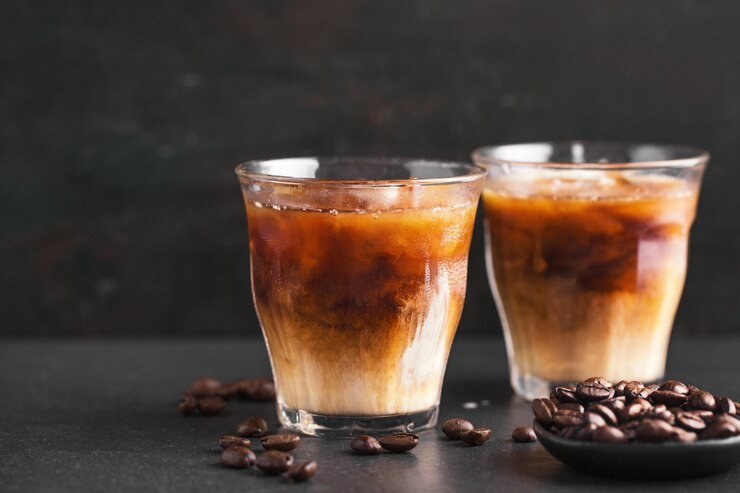
Cold brew coffee is a method of brewing that uses cold water over an extended period, resulting in a less acidic and smoother beverage. The choice of coffee beans significantly impacts the final flavor profile.
This article provides factual information on selecting the most suitable coffee beans for this brewing technique. It outlines key characteristics to consider and presents specific coffee types that align with these parameters.
The following sections detail the essential traits of the best coffee for cold brew and list five recommended options, including single-origin varieties from Indonesia. Understanding these factors helps in identifying the best coffee for cold brew.
Contents
What Makes Coffee the Best Coffee for Cold Brew
The cold brew process extracts flavors differently from hot brewing methods. It highlights certain bean attributes while minimizing others.
The best coffee for cold brew typically possesses specific physical and chemical properties. These properties ensure optimal extraction and a desirable taste in the final beverage.
Key Characteristics of the Best Coffee for Cold Brew
Several objective factors determine if a coffee is well-suited for cold brewing.
1. Bean Origin and Processing
The geographic origin and post-harvest processing method influence flavor notes. Beans from different regions have distinct profiles. Natural or dry-processed beans often yield fruitier notes.
Washed beans tend to produce cleaner, brighter flavors. The best coffee for cold brew often comes from regions known for balanced beans.
2. Roast Profile
Roast level affects extraction and flavor. Medium to dark roasts are frequently used for cold brew. These roasts develop sugars and reduce acidity.
They provide chocolate, nutty, or caramel notes that extract well in cold water. Light roasts can be used but may result in a different flavor spectrum.
3. Grind Size
A consistent coarse grind is standard for cold brew. It allows for full immersion without over-extraction. A coarse grind prevents a muddy texture and bitter taste. Using the correct grind size is crucial when preparing the best coffee for cold brew.
8 Best Coffee for Cold Brew to Consider
This list presents coffee types that meet the common criteria for effective cold brew extraction.
1. Brazilian Santos
Brazilian Santos beans are known for their low acidity and nutty, chocolatey notes. They are often medium-roasted. Their consistent profile makes them a reliable base for cold brew. They contribute to a smooth and mellow final cup.
2. Ethiopian Yirgacheffe
Ethiopian Yirgacheffe beans are typically washed and light to medium roasted. They offer floral and citrus notes.
When used for cold brew, they can produce a tea-like and aromatic beverage. They represent a brighter option within the category of the best coffee for cold brew.
3. Colombian Supremo
Colombian Supremo beans are balanced with medium acidity and body. They have caramel and nutty flavors.
Their versatility makes them a popular choice for various brewing methods. They perform consistently as one of the best coffee for cold brew options.
4. Indonesian Single-Origin Coffees
Indonesia produces several single-origin coffees with unique characteristics. These beans often have full bodies and earthy profiles. They are suitable for cold brew due to their low acidity. Here are three specific Indonesian single-origin coffees.
5. Sumatra Mandheling
Sumatra Mandheling coffee undergoes a semi-washed process. It has a full body with earthy and herbal notes. Its low acidity is advantageous for cold brew extraction. It produces a rich and syrupy cold coffee.
6. Java Arabica
Java Arabica coffee is typically grown on large estates. It is known for its smooth, sweet, and sometimes spicy profile. The beans are often wet-hulled. This process contributes to its distinct flavor suited for cold brewing.
7. Sulawesi Toraja
Sulawesi Toraja coffee grows in the highlands of Sulawesi. It features a complex flavor with dark chocolate and ripe fruit notes. The processing method varies but often includes manual sorting. Its balanced acidity and body make it applicable for cold brew.
8. Guatemalan Antigua
Guatemalan Antigua beans are grown in a volcanic region. They are known for their spicy and chocolatey flavor profile. They often have a medium body and acidity. These beans yield a well-rounded and flavorful cold brew.
How to Brew Cold Brew with the Best Coffee for Cold Brew
The standard cold brew ratio is one part coffee to four parts water by weight. Use coarsely ground beans. Steep the mixture in cold water for 12 to 24 hours in a refrigerator.
After steeping, filter the concentrate using a paper or metal filter. Dilute the concentrate with water or milk before serving. This method works effectively with the best coffee for cold brew.
Common Mistakes to Avoid When Choosing the Best Coffee for Cold Brew
Using a fine grind can lead to over-extraction and bitterness. Selecting beans with very high acidity may result in an unbalanced cold brew.
Not using a consistent grind size can cause uneven extraction. Storing coffee beans in non-airtight containers leads to staleness. Avoiding these practices ensures the best coffee for cold brew is used correctly.
Conclusion
Selecting the right beans is fundamental for optimal cold brew coffee. Key factors include bean origin, processing method, roast profile, and grind size.
Coffee types like Brazilian Santos, Ethiopian Yirgacheffe, Colombian Supremo, and Indonesian single-origins such as Sumatra Mandheling, Java Arabica, and Sulawesi Toraja offer diverse profiles suitable for cold extraction.
Adhering to proper brewing techniques maximizes the potential of these beans. The information provided assists in identifying the best coffee for cold brew based on objective characteristics.
For those seeking to source premium Indonesian coffee beans, including the single-origin varieties mentioned, FnB Tech offers a curated selection. Explore our range of high-quality beans suitable for various brewing methods by visiting our coffee collection.

Pippo is passionate about coffee beans, exploring their unique varieties and cultural significance. He has a strong interest in agritech, focusing on innovations that drive sustainable farming. Beyond agriculture, he is also dedicated to the field of aquaculture and its future potential. His curiosity and enthusiasm connect these fields, reflecting a commitment to sustainability and growth.