


Bali Coffee Kintamani: Origin Story and Flavor Notes
Coffee from Bali’s central highlands is prized for clarity, gentle sweetness, and a lively but smooth finish. Grown on cool mountain slopes and shaped by careful processing, bali coffee kintamani coffee has become a favorite for roasters, cafés, and home brewers who want a clean cup that works for both filter and espresso menus. If you’re shopping for a new single origin or a bright component for blends, this guide will help you move from curiosity to a confident purchase.
Instead of vague tasting notes, you’ll learn what actually drives flavor; altitude, soil, processing style, roast approach, and brewing method. You’ll also get a practical buying checklist (roast date, process details, and quality signals) so your next bag performs the way you expect.
Contents
- 1 What Is Bali Coffee Kintamani?
- 2 How Did Bali Coffee Kintamani Originate?
- 3 Why Origin Matters: What Creates the Bali Kintamani Taste?
- 4 Processing Styles: Washed, Honey, and Natural Variants
- 5 Flavor Profile: What Buyers Usually Taste
- 6 Aroma Notes: What to Smell For (and Why It Matters)
- 7 Best Brewing Methods for Bali Coffee Kintamani
- 8 Buyer Checklist: How to Choose a Great Bag
- 9 Why Buy From Us
- 10 Conclusion
- 11 Bali Kintamani Arabica
What Is Bali Coffee Kintamani?
At its core, bali coffee kintamani refers to Arabica coffee produced in and around the Kintamani highlands of Bali, where cooler temperatures and volcanic soil can support sweet, clean coffees. Many lots are known for citrus lift, honey-like sweetness, and a crisp finish that makes the cup feel refreshing rather than heavy. For buyers, that means it’s often easy to serve across different customers: approachable for beginners and still interesting enough for specialty drinkers.
Because many cafés need coffees that taste great without overly complex descriptions, this origin is often selected for “daily premium” offerings beans that feel special but are still consistently drinkable.
How Did Bali Coffee Kintamani Originate?
Coffee arrived in Bali through broader Indonesian trade and colonial-era cultivation, but Kintamani’s identity developed over time through local farming practices and improved quality systems. Farmers adapted coffee growing to steep terrain and mixed-garden agriculture, working in community structures that helped standardize land and water care. Those shared routines, picking ripe cherries, controlling fermentation, and drying carefully, played a major role in shaping the clean profile buyers now expect from bali coffee kintamani.
Over the years, improvements in post-harvest handling and more stable relationships with mills and exporters made seasonal quality easier to repeat. Today, the name is associated with a recognizable cup style and a clear regional story, which helps buyers explain the coffee in simple, menu-friendly terms.
Why Origin Matters: What Creates the Bali Kintamani Taste?
Origin is not just a marketing label. It’s a bundle of factors; climate, altitude, soil, and farming choices that shape the chemistry of the bean. In Kintamani, cooler mountain air and strong sun can support steady cherry development. Combined with volcanic soil, that often translates into sweetness and clarity rather than heavy earthiness. Many roasters choose bali coffee kintamani specifically when they want a bright aroma, clean structure, and a crisp finish that doesn’t feel sour.
Origin Comparison Snapshot (Buyer-Friendly)
Use this as a fast reference when selecting beans for a menu or personal rotation:
| Origin Area | Typical Altitude | Soil Type | Common Notes | Acidity | Body | Finish |
|---|---|---|---|---|---|---|
| Kintamani highlands, Bali | 1,000–1,500 m | Volcanic loam | citrus, honey, light spice | bright/clean | medium, silky | crisp, sweet |
| Lower-altitude Indonesia (varies) | 400–900 m | mixed clay/loam | nutty, cocoa, mild fruit | mild | medium | soft, short |
| Java highlands | 1,000–1,700 m | volcanic soil | cocoa, herbs, sweet tobacco | medium | medium–full | long, earthy |
| Sumatra highlands | 900–1,600 m | volcanic + peat mixes | dark cocoa, herbs, dried fruit | low–medium | full, heavy | long, bold |
If you need a “bright but friendly” coffee for a wide audience, bali coffee kintamani often fits better than heavier, earthier profiles.
Processing Styles: Washed, Honey, and Natural Variants
Processing creates meaningful differences in taste even within the same region. When shopping, look for the process listed clearly because it helps predict how the coffee will perform.
- Washed: usually the cleanest expression crisp citrus, tidy sweetness, and a refined finish.
- Honey coffee: often adds syrupy sweetness and a softer texture while staying relatively clean.
- Natural: can introduce fruit-forward aromas and a rounder fragrance if drying is done carefully.
For cafes, these options make it easy to match different menus. Washed lots can anchor a bright filter offering, while honey or natural lots can add sweetness for espresso and milk drinks. This flexibility is one reason bali coffee kintamani works well for both single-origin offerings and blends.
Flavor Profile: What Buyers Usually Taste
Taste varies by lot, roast, and brew method, but the most common theme is balance: a lively top note with smooth sweetness and a crisp finish. If you’re building a menu, this is a “high-hit-rate” profile that tends to please many palates.
Typical traits you may notice in bali coffee kintamani:
- Bright citrus-like aroma (orange peel, sweet lime)
- Honey or brown-sugar sweetness
- Gentle spice or mild herbal nuance
- Medium, silky body
- Clean, crisp finish that invites another sip
This combination makes it easy to describe on a product page and easy for customers to enjoy without needing a long explanation.
Aroma Notes: What to Smell For (and Why It Matters)
Aroma often signals quality before the first sip. Smell the dry grounds, then the wet bloom/crust. You’re looking for freshness and clarity not mustiness.
Common aroma cues in bali coffee kintamani include:
Bright Citrus Zest
Often reads as orange peel, sweet lime, or pomelo. Clean processing and careful drying help preserve this “lift.”
Soft Floral Lift
Sometimes subtle light blossom-like aromatics that feel elegant rather than perfumed. It’s easiest to notice in lighter filter brews.
Brown Sugar and Caramel
Warm sweetness that makes the coffee feel approachable. This often becomes more obvious with medium roast development.
Cacao and Gentle Chocolate
Adds depth without turning heavy. Espresso and immersion methods tend to emphasize this.
Fresh Herbal Touch
A clean leaf-like nuance (think lemongrass or soft basil) can appear in some lots, adding complexity without bitterness.
Dried Fruit Sweetness
More likely in honey or natural processes, appearing as raisin, fig, or dried mango.
If the aroma feels dull, papery, or musty, freshness or storage may be an issue even if the origin is good.
Best Brewing Methods for Bali Coffee Kintamani
To get the most out of this origin, aim for clean water, a consistent dose, and stable temperature. Here are buyer-friendly starting points:
Pour-over (V60 / cone dripper)
Great for highlighting citrus and floral lift.
- Start ratio: 1:15 to 1:16
- Brew time: ~2:30–3:15
- Goal: crisp sweetness and clarity
Espresso (if roasted for espresso)
Works well when the roast is designed for shots.
- Look for tasting notes like caramel/cocoa + citrus
- Goal: balanced sweetness with a clean finish
Immersion (French press)
Emphasizes body and sweetness.
- Use a slightly coarser grind
- Goal: rounder mouthfeel with soft spice
For cafes and home brewers alike, bali coffee kintamani is versatile choose the brew method based on what you want to emphasize: clarity (pour-over), structure (espresso), or sweetness/body (immersion).
Buyer Checklist: How to Choose a Great Bag
If you want consistent results, shop with a checklist instead of hype. When buying bali coffee kintamani, look for:
- Roast date shown clearly (fresh matters)
- Process type listed (washed/honey/natural)
- Origin specificity (region, cooperative, or farm info)
- Intended use (filter roast vs espresso roast)
- Sealed packaging + storage guidance
- Sample size option (helpful for cafes testing menus)
- Clear prices
These details indicate a seller that treats quality as a system not a label.
Why Buy From Us
Buying specialty coffee should feel simple: you should know what you’re getting, why it tastes that way, and how to brew it successfully. When customers choose bali coffee kintamani from us, we focus on the practical details that protect quality from roast to cup:
- Clear specs: origin, process, tasting notes, and recommended brew style so you can order with confidence.
- Freshness priority: we center roast freshness to keep aroma and sweetness intact.
- Consistent lots: we favor repeatable profiles that cafés can serve and reorder without surprises.
- Brew support: simple recipes and adjustment guidance so you don’t waste beans dialing in.
- Reliable handling: sealed packaging and careful storage practices to protect the clean finish this origin is known for.
If you run a cafe, this means fewer “trial bags” and faster menu decisions. If you’re a home brewer, it means your cup tastes like the notes you paid for.
Conclusion
A clear origin story and a clear cup profile help buyers choose with confidence. Kintamani offers sweetness, lift, and clean structure in one package. Farms and groups support consistency through shared care and steady routines. Roasters can use these beans for espresso, filter, or blends. For that reason, bali coffee kintamani can earn a lasting place on menus.
Buyers can improve results by choosing fresh roast dates and sealed storage. They can request lot details, process notes, and sample roasts, then cup with the same water and method each time. To lock in consistency, source Bali Coffee Kintamani from FNB Tech, reliable lots, clear specs, and quality that cafes can confidently serve and reorder.
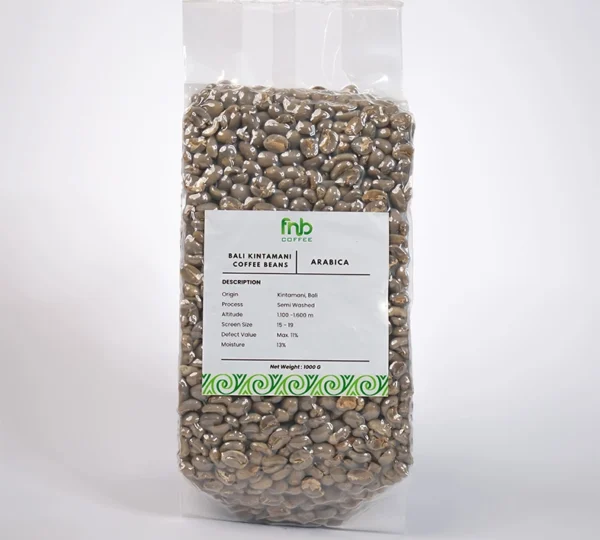
Bali Kintamani Arabica
Note:
* The minimum purchase requirement is USD 100.
* Phyto + Quarantine only for Green Bean USD 28 per order.

I’m Tania Putri, a passionate content writer who truly loves coffee and the stories behind every cup. For me, writing isn’t just about words it’s about creating connection. I specialize in SEO-friendly content that feels natural, human, and engaging, especially in the world of specialty coffee.
I enjoy exploring everything from origin stories and flavor notes to pricing insights and global coffee trends. Whether I’m writing about rare kopi luwak or Ethiopian heirloom beans, I always aim to blend strategy with warmth. Coffee inspires me, and through my writing, I love sharing that passion with others.
Tags: Bali coffee farm Kintamani Bali Coffee Kintamani Bali Kintamani coffee beans Bali Kintamani coffee guide Bali Kintamani coffee journey Bali Kintamani coffee tourism Balinese coffee Kintamani kintamani coffee Kintamani coffee aroma Kintamani coffee culture Kintamani coffee experience Kintamani coffee lovers Kintamani coffee plantation Kintamani coffee shop Kintamani coffee tasting Kintamani coffee tour Kintamani coffee tradition Kintamani coffee travel Kintamani coffee vacation Kintamani specialty coffee