


Bali Coffee Investment: A Guide to Returns, Risks, and Structures
Bali is famous for beaches and culture, but investors are increasingly looking at specialty agriculture, especially coffee as a long-term value play. Done well, bali coffee investment can tap premium demand, strengthen rural livelihoods, and build brand equity tied to a recognizable origin story (like Kintamani). But “coffee investing” only works when you treat it like a real business: tight quality control, clear legal structure, and a plan for where margins will actually come from.
Note: This is educational content, not financial or legal advice. For any deal, use licensed Indonesian legal and tax advisors.
Contents
- 1 Why Bali Coffee Is Investable Right Now
- 2 What You’re Actually Buying When You Invest in Bali Coffee
- 3 Comparison Table: Common Bali Coffee Investment Routes
- 4 Legal Reality Check: Land, Ownership, and Deal Structure
- 5 Due Diligence Checklist (What Serious Buyers Verify)
- 6 Unit Economics: Where Returns Usually Come From
- 7 Risk Management (What Can Hurt the Deal)
- 8 Sustainability and Impact: What Premium Buyers Increasingly Require
- 9 Why Partner With Us
- 10 FAQ for Investors
- 11 Conclusion and next step
- 12 Bali Kintamani Arabica
Why Bali Coffee Is Investable Right Now
Specialty coffee demand has been growing globally, with major market research projecting continued expansion through 2030. For bali coffee investment, that matters because premiums are typically earned through traceable origin + consistent quality + brand storytelling, not commodity volume.
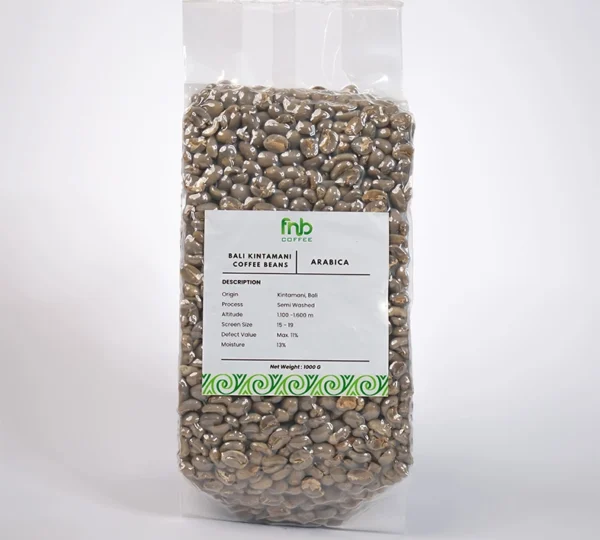
Bali also has a well-known origin narrative around Kintamani Arabica, including formal geographic-indication recognition in Indonesia that helps protect the name and reinforces quality expectations.
What You’re Actually Buying When You Invest in Bali Coffee
Before money moves, define the asset and where cashflow comes from. In bali coffee investment, the most common “real” businesses are:
- Farm production exposure (green bean yield + cherry prices + quality premiums)
- Processing infrastructure (wet mill, drying beds, sorting, storage earning fees or margin uplift)
- Roasting/brand (highest potential margin, but marketing + distribution heavy)
- Export/trading (logistics + contracting + quality assurance)
- Coffee tourism (farm tours, tastings, cafe experiences, leveraging Bali’s visitor traffic)
The best model depends on your risk tolerance and how operational you want to be.
Comparison Table: Common Bali Coffee Investment Routes
Here’s a practical side-by-side so you can pick a path that matches your time horizon:
| Route | Typical Role | Pros | Main Risks | Best For |
|---|---|---|---|---|
| Farm partnership (local owner/operator) | Capital + governance | Exposure to origin premiums; impact | Agronomy + weather + execution | Patient investors |
| Processing facility (drying/milling/sorting) | Infrastructure owner | Improves quality; earns service fees | Capex, maintenance, throughput risk | Operators/infrastructure minded |
| Roasting + brand | Build D2C/wholesale | Highest margin potential | Marketing costs, churn, competition | Brand builders |
| Export/trading | Contract + QA + logistics | Scalable; portfolio of farms | Price volatility; counterparty risk | Commercial teams |
| Coffee tourism + café | Experience + retail | Bali tourism synergy | Seasonality, location, staffing | Hospitality operators |
Legal Reality Check: Land, Ownership, and Deal Structure
A major make-or-break factor in bali coffee investment is structuring it legally. Indonesia’s Basic Agrarian Law reserves the strongest freehold title (Hak Milik) for Indonesian citizens, and foreigners cannot hold it. In practice, foreign participation is often structured through long-term leases or rights like Hak Pakai / HGB, and/or through compliant corporate structures (e.g., PT PMA where appropriate).
Also important: “nominee” arrangements (putting land in someone else’s name with side agreements) are widely warned against as high-risk and potentially unenforceable.
Investor takeaway: treat legal structure as core due diligence, not paperwork at the end.
Due Diligence Checklist (What Serious Buyers Verify)
If you want bali coffee investment to behave like an investable business, validate these items before signing:
Farm + Agronomy
- Altitude, varietals, plant age profile, replanting plan
- Input strategy (fertility, pruning, shade management)
- Yield history (3–5 years) and climate sensitivity
Post-harvest + Quality
- Processing method consistency, drying capacity, moisture targets
- Sorting method, defect rate tracking, storage conditions
- Cupping scores, lot separation, traceability system
Commercial + Contracts
- Offtake agreements (who buys, when, pricing formula, penalties)
- Payment terms and working-capital needs (seasonality is real)
- Insurance, logistics, and export partners (if exporting)
Governance + Compliance
- Clear operator KPIs, reporting cadence, audit rights
- Labor practices and community relationships
- Legal review of land rights / leases / corporate documents
Unit Economics: Where Returns Usually Come From
Most newcomers assume profits come from “farm yields.” In reality, bali coffee investment tends to perform best when you capture value at multiple points:
- Quality premium uplift (better processing + sorting + consistent lots)
- Market access (direct relationships with roasters importers)
- Brand margin (roasted retail, wholesale accounts, subscriptions)
- Ancillary revenue (tours, tastings, training, cafe attach)
Be cautious with projections that assume continuous price increases coffee is volatile and global pricing can swing sharply.
Risk Management (What Can Hurt the Deal)
A credible bali coffee investment plan shows how you reduce risk, not just how you grow.
Coffee Price Volatility
- Diversify buyers and contract types (spot + contracts)
- Use quality-driven premiums to reduce commodity exposure
- Consider hedging approaches where appropriate (professional advice needed)
Climate and Agronomic Risk
Climate heat stress is increasingly affecting coffee-growing regions globally, which can reduce yields and increase costs. Mitigations often include shade management, soil health, water strategy, and varietal planning.
Operational Execution
Infrastructure, staffing, and QC discipline determine whether “premium” is real. Many projects fail because they underfund post-harvest handling and storage.
Sustainability and Impact: What Premium Buyers Increasingly Require
For bali coffee investment aimed at specialty buyers, sustainability isn’t a slogan, it’s a market requirement. Many premium roasters want traceability, consistent processing protocols, and evidence of responsible farming practices. Geographic indication frameworks also reinforce quality and origin expectations.
Practical actions investors fund:
- drying beds + moisture control tools
- training for picking ripeness and fermentation control
- clean storage + packaging upgrades
- recordkeeping systems that support traceability
Why Partner With Us
If your goal is to enter bali coffee investment without guessing, the partner you choose matters as much as the origin. A strong partner typically provides:
- Deal clarity: transparent economics, operator KPIs, and reporting
- Quality systems: processing SOPs, defect targets, storage standards
- Market access: relationships with roasters/buyers and clear offtake paths
- Risk controls: legal-first structuring and documented compliance workflows
- Scalable playbooks: repeatable methods for upgrading lots and margins
FAQ for Investors
How long is the time horizon?
Most bali coffee investment strategies are multi-season plays. Processing upgrades and market-access improvements can show impact faster than farm-yield changes, which often take years.
What’s the lowest-risk entry?
Partnerships with existing operators and investing in processing/QC upgrades often reduce agronomy risk while still capturing quality premiums.
What should I ask for first?
A simple “investment memo” with: structure, use of funds, projected cashflows, operator background, quality plan, and legal review pathway.
Conclusion and next step
Bali coffee can be a compelling niche, especially when you focus on quality systems, legal structure, and multi-point value capture. The best Bali coffee investment opportunities prove repeatable processing standards, transparent governance, consistent export documentation, and verified buyer demand. Strong traceability, cupping scores, and long-term farm partnerships transform origin storytelling into measurable, scalable commercial performance.
If you want to buy and invest in Bali coffee with confidence, choose a partner that prioritizes compliance, transparency, and sustainable sourcing. FNB Tech connects investors and buyers with verified supply chains and scalable opportunities. Secure premium Bali coffee and build long-term value today only through FNB Tech!p