


Abyssinia Coffee Beans: A Guide to Ethiopia’s Legendary Arabica
Abyssinia coffee beans are among the most sought-after Ethiopian coffee beans in the US specialty coffee market. Known for their complex flavor profile, heirloom coffee varieties, and rich history, these premium coffee beans originate from the birthplace of Arabica coffee itselfl; Ethiopia.
If you love single-origin coffee with vibrant fruit notes, floral aromatics, and wine-like acidity, Abyssinia deserves a place in your grinder.
In this guide, you’ll learn everything about Abyssinia coffee beans, origin, taste, growing regions, processing methods, brewing tips, and how to choose the best beans in the US.
Contents
- 1 What Are Abyssinia Coffee Beans?
- 2 History of Abyssinia Coffee in Ethiopia
- 3 Flavor Profile of Abyssinia Coffee Beans
- 4 Coffee Growing Regions in Ethiopia
- 5 Processing Methods Used for Abyssinia Coffee Beans
- 6 Abyssinia Coffee vs Other Ethiopian Coffee Beans
- 7 Best Brewing Methods for Abyssinia Coffee Beans
- 8 How to Choose High-Quality Abyssinia Coffee in the US
- 9 Why Abyssinia Is Popular in the
- 10 Health Benefits of Ethiopian Arabica Coffee
- 11 Frequently Asked Questions (FAQ)
- 12 Conclusion
- 13 Abyssinian Coffee
What Are Abyssinia Coffee Beans?
Abyssinia coffee beans refer to traditional Ethiopian heirloom coffee varieties grown in Ethiopia, historically known as Abyssinia. These beans are 100% Arabica coffee and are considered some of the oldest genetically diverse coffee varieties in the world.
Unlike commercial hybrid varieties grown in other countries, Abyssinia beans often:
- Grow wild or semi-wild in forest regions
- Come from ancient heirloom cultivars
- Are shade-grown at high altitudes
- Offer highly complex flavor profiles
Because of Ethiopia’s biodiversity, there are thousands of unidentified heirloom coffee varieties classified broadly as “Abyssinia.”
History of Abyssinia Coffee in Ethiopia
Ethiopia is widely recognized as the birthplace of coffee. According to legend, a goat herder named Kaldi discovered coffee in the Kaffa region over 1,000 years ago.
Key historical points:
- Ethiopia is the genetic home of Arabica coffee
- Coffee grows naturally in Ethiopian forests
- Abyssinia was Ethiopia’s historical name
- Heirloom varieties have been cultivated for centuries
Today, Ethiopian coffee beans remain a cornerstone of the US specialty coffee market, especially in third-wave coffee shops.
Flavor Profile of Abyssinia Coffee Beans
One reason Abyssinia coffee beans rank among premium coffee beans in the US is their extraordinary flavor complexity.
Flavor Notes Breakdown
| Flavor Category | Common Tasting Notes |
|---|---|
| Fruity | Blueberry, strawberry, peach, citrus |
| Floral | Jasmine, lavender, bergamot |
| Sweet | Honey, cane sugar, caramel |
| Acidity | Bright, wine-like, crisp |
| Body | Medium to light, silky |
These beans are especially prized for:
- Vibrant acidity
- Layered fruit flavors
- Clean finish
- Floral aromatics
US specialty coffee roasters often highlight these beans as single-origin coffee because of their unique terroir.
Coffee Growing Regions in Ethiopia
Abyssinia coffee beans are typically grown in high-altitude regions of Ethiopia.
Major Growing Regions
- Yirgacheffe – Floral, tea-like, citrus notes
- Sidamo – Fruity, balanced sweetness
- Guji – Bright acidity, berry-forward
- Limu – Mild, wine-like complexity
Growing Conditions
| Factor | Typical Range |
|---|---|
| Altitude | 1,500–2,200 meters |
| Climate | Subtropical highland |
| Soil | Volcanic, nutrient-rich |
| Harvest Season | October – January |
High altitude slows bean development, which enhances sugar concentration and flavor complexity.
Processing Methods Used for Abyssinia Coffee Beans
Processing dramatically influences the coffee flavor profile.
1. Washed (Wet Process)
- Cleaner cup
- Bright acidity
- Floral clarity
2. Natural (Dry Process)
- Intense fruit flavors
- Berry-forward
- Wine-like body
3. Honey Process
- Balanced sweetness
- Mild fruit
- Smooth mouthfeel
In the US market, natural-processed Ethiopian coffee beans are extremely popular for their bold blueberry and strawberry notes.
Abyssinia Coffee vs Other Ethiopian Coffee Beans
Many Americans ask: Is Abyssinia coffee different from Ethiopian coffee?
Technically, Abyssinia coffee beans are Ethiopian coffee beans, but the term often refers to traditional heirloom varieties rather than specific regional labels.
Comparison Table
| Feature | Abyssinia Coffee Beans | Other Ethiopian Varieties |
|---|---|---|
| Variety Type | Heirloom Arabica | Heirloom + Improved hybrids |
| Flavor | Highly complex, fruity | Region-dependent |
| Rarity | Often limited lots | More widely distributed |
| Market Position | Specialty coffee | Specialty & commercial |
For US buyers seeking premium coffee beans, Abyssinia beans are typically positioned at a higher quality tier.
Best Brewing Methods for Abyssinia Coffee Beans
To maximize flavor, choose brewing methods that highlight acidity and aromatics.
Recommended Brewing Methods
- Pour Over (V60, Chemex)
- AeroPress
- French Press (for natural process)
- Cold Brew (for fruity sweetness)
Brew Tips
- Use filtered water (195–205°F)
- Medium-light roast works best
- Grind fresh before brewing
- Use a 1:16 coffee-to-water ratio
For US specialty coffee drinkers, pour-over brewing delivers the clearest flavor expression.
How to Choose High-Quality Abyssinia Coffee in the US
Not all Ethiopian coffee beans are equal. Here’s what to look for:
Buying Checklist
- Single-origin labeling
- Roast date within 2–4 weeks
- Specialty grade (80+ SCA score)
- Transparent sourcing information
- Altitude and processing details listed
Avoid:
- “100% Arabica” without origin details
- Very dark roasts (they hide flavor complexity)
- No roast date
Look for US specialty roasters who emphasize traceability and direct trade.
Why Abyssinia Is Popular in the
The American coffee market has shifted toward specialty coffee and single-origin transparency.
Abyssinia coffee beans appeal to US consumers because:
- They offer unique flavor experiences
- Align with ethical sourcing trends
- They are ideal for craft brewing
- Support small Ethiopian farmers
Third-wave coffee culture in cities like Seattle, Portland, New York, and Los Angeles has increased demand for heirloom Ethiopian coffee varieties.
Health Benefits of Ethiopian Arabica Coffee
Like other Arabica coffee, Abyssinia coffee beans may provide:
- Antioxidants
- Improved focus
- Enhanced metabolism
- Reduced inflammation (when consumed moderately)
Because these beans are often lightly roasted, they may retain more beneficial compounds compared to dark roasts.
Frequently Asked Questions (FAQ)
Is Abyssinia 100% Arabica?
Yes. Abyssinia coffee beans are heirloom Arabica coffee varieties native to Ethiopia.
What does Abyssinia coffee taste like?
Expect fruity, floral, and wine-like notes with bright acidity and a silky body.
Is Abyssinia good for espresso?
Yes, especially natural-processed beans they create vibrant, fruity espresso shots.
Why are Ethiopian heirloom coffees more expensive?
They are grown at high altitudes, often hand-harvested, and sourced in smaller lots.
Is Abyssinia coffee stronger than other coffee?
Not necessarily stronger in caffeine, but stronger in flavor complexity.
Conclusion
If you appreciate specialty coffee with bold fruit notes, floral aromatics, and deep cultural heritage, Abyssinia coffee beans are absolutely worth exploring. For US coffee lovers seeking premium beans, few origins rival the genetic diversity and layered complexity found in Ethiopian heirloom varieties cultivated at high elevations.
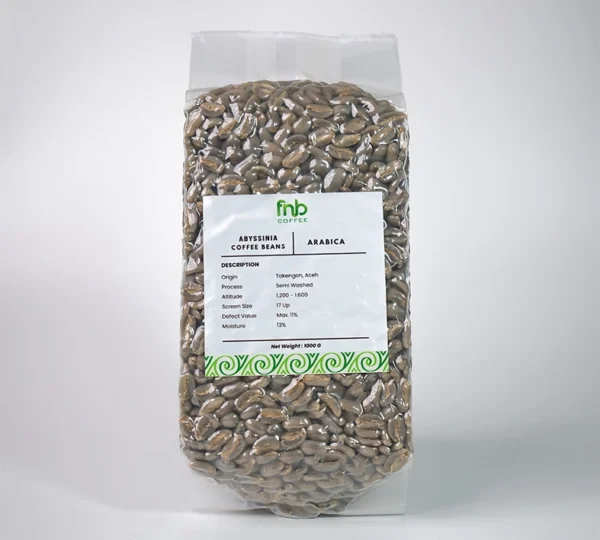
Whether brewed as a delicate pour-over or extracted as a vibrant espresso, Abyssinia coffee beans reveal clarity, sweetness, and refined acidity in every cup. Source authentic, high-quality selections today and buy premium Abyssinia coffee directly from FNB Tech to experience exceptional flavor, traceable origins, and reliable global coffee supply solutions.

Pippo is passionate about coffee beans, exploring their unique varieties and cultural significance. He has a strong interest in agritech, focusing on innovations that drive sustainable farming. Beyond agriculture, he is also dedicated to the field of aquaculture and its future potential. His curiosity and enthusiasm connect these fields, reflecting a commitment to sustainability and growth.
Tags: Abyssinia Arabica coffee beans abyssinia coffee beans Abyssinia coffee beans price Abyssinia coffee beans wholesale authentic Abyssinia coffee beans best Abyssinia coffee beans USA buy Abyssinia coffee beans Ethiopian Abyssinia coffee beans green Abyssinia coffee beans heirloom Abyssinia coffee beans organic Abyssinia coffee beans premium Abyssinia coffee beans roasted Abyssinia coffee beans single origin Abyssinia coffee specialty Abyssinia coffee beans