


101 Civet Coffee Powder Guide: Features, Brewing, and Value
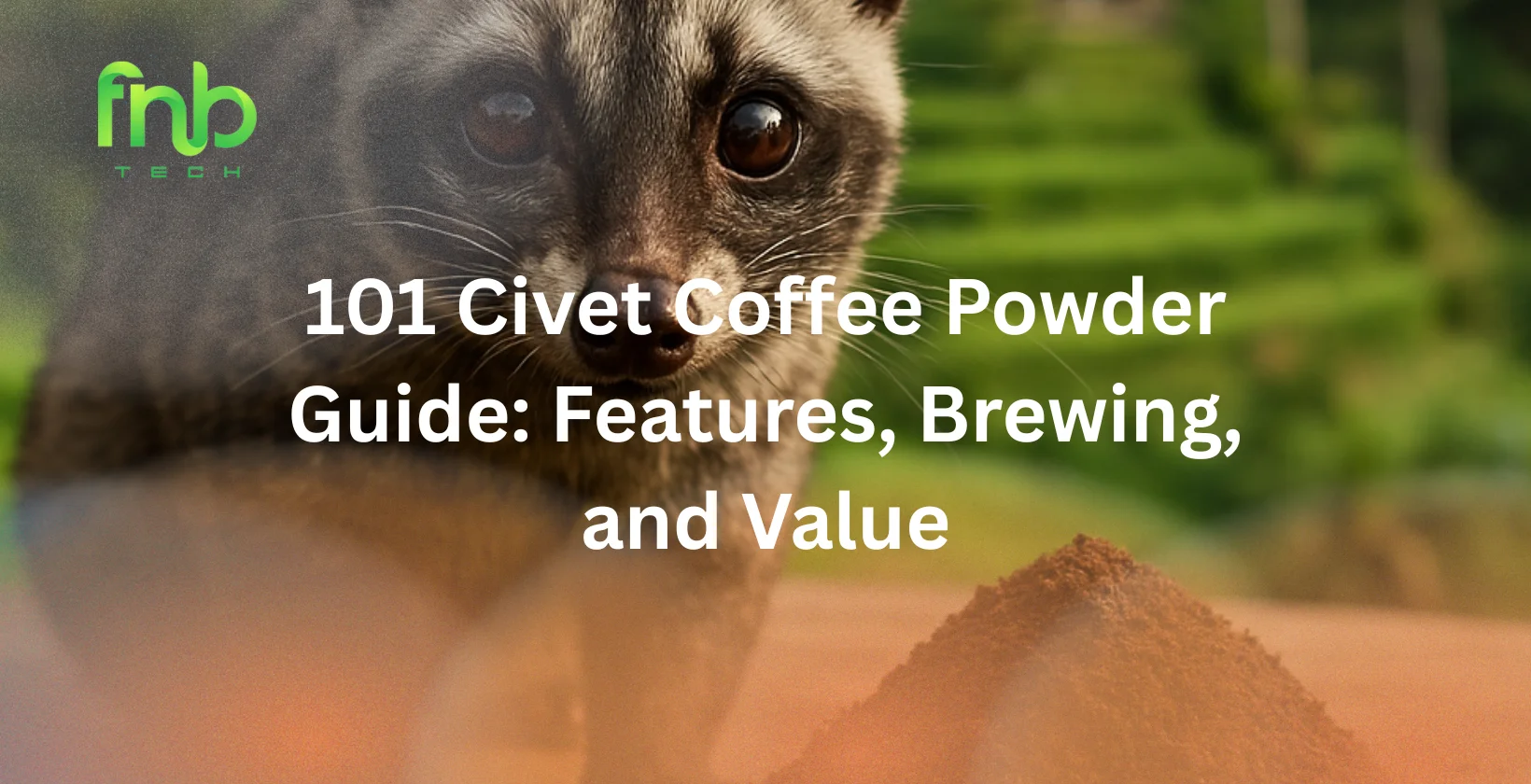
Rare coffees gain fans because people want flavor with a story. One product that often sparks curiosity is civet coffee powder, prized for its smooth character, low bite, and memorable aroma. This guide explains what it is, its taste, how to brew it, and how to avoid counterfeits.
Contents
- 1 What Is Civet Coffee?
- 2 How It’s Produced: From Farm to Cup
- 3 Flavor Profile: Aroma, Body, and Acidity
- 4 What Defines Premium Quality?
- 5 Best Brewing Methods Easy Wins
- 6 Grind, Water, and Dose: Small Tweaks That Make a Big Difference
- 7 Step-by-Step: A Balanced Pour-Over Recipe
- 8 How to Spot Real vs. Fake Products
- 9 Storage Tips to Keep It Fresh Longer
- 10 Is It Worth the Higher Price?
- 11 FAQs
- 12 Conclusion
- 13 Kopi Luwak Coffee
What Is Civet Coffee?
In simple terms, civet coffee powder is ground coffee made from beans that have passed through a civet’s digestive system. The civet eats ripe coffee cherries, the beans are later collected, cleaned, dried, roasted, and then ground into a fine powder for brewing.
Why the Process Changes the Cup
- Natural selection: civets tend to choose ripest cherries
- Fermentation effects: enzymes and fermentation can alter proteins
- Roast response: dense beans may roast evenly, creating a rounder profile
How It’s Produced: From Farm to Cup
Authentic civet coffee powder starts long before roasting. Quality producers focus on ethical sourcing, careful handling, and clean processing so the final product is safe, traceable, and consistent.
Typical Production Steps
- Harvest ripe cherries from healthy trees
- Civet consumes cherries naturally (avoid force-feeding sources)
- Collect beans, then wash and sanitize thoroughly
- Sun-dry to a stable moisture level
- Roast with controlled heat and timing
- Grind to a consistent particle size and package airtight
Tip: Look for transparency about sourcing and animal welfare, reputable brands will explain it clearly.
Flavor Profile: Aroma, Body, and Acidity
Many drinkers describe civet coffee powder as smoother and less sharp than standard blends. While origin and roast still matter, the cup is often associated with a gentle body and a clean finish.
Common Tasting Notes
- Aroma: earthy-sweet, cacao, light nuts
- Body: medium, soft texture
- Acidity: typically lower and less “bright”
- Finish: clean, slightly sweet aftertaste
What Defines Premium Quality?
Premium civet coffee powder isn’t just “rare” it’s carefully produced and consistently roasted. Use the checklist below to judge quality quickly.
Quality Signals
- Clear origin and traceability (region, farm, lot info)
- Roast date shown (not just “best before”)
- Even grind with minimal dust clumps
- Fresh aroma that isn’t stale, smoky, or flat
- Food-safe packaging (airtight seal + valve is a plus)
Quick Comparison Table
| Feature | Premium Civet Coffee | Regular Ground Coffee |
|---|---|---|
| Aroma | Complex, earthy-sweet | Varies widely |
| Acidity | Often lower | Can be higher |
| Body | Smooth, rounded | Depends on roast |
| Consistency | More controlled lots | Mass production |
| Price | Higher (rare + labor) | Usually lower |
Best Brewing Methods Easy Wins
Because civet coffee powder is often milder, brewing technique matters, small changes in grind, water temperature, and ratio can unlock more aroma and sweetness.
Top Methods to Try
- Pour-over: clean clarity and layered aroma
- French press: fuller body and warmth
- AeroPress: fast, controlled extraction
- Moka pot: bolder cup with strong fragrance
- Cold brew: very low bite, smooth finish
Brewing Guide Table (Starter Ratios)
| Method | Coffee : Water | Water Temp | Time | Best for |
|---|---|---|---|---|
| Pour-over | 1:15–1:17 | 92–96°C | 2.5–3.5 min | clarity |
| French press | 1:12–1:15 | 90–94°C | 4 min | body |
| AeroPress | 1:12–1:16 | 85–94°C | 1–2 min | sweetness |
| Moka pot | fill basket | boiling start | 3–5 min | intensity |
| Cold brew | 1:8–1:10 | cold | 12–18 hrs | smoothness |
Grind, Water, and Dose: Small Tweaks That Make a Big Difference
To keep the cup sweet and avoid a muddy finish with civet coffee powder, treat grind and water as your two main “dials.” If the brew tastes thin, you likely need a finer grind or a slightly higher dose. If it tastes dry or bitter, go coarser, lower the temperature, or shorten contact time.
Quick Rules of Thumb
- Use filtered water when possible (strong chlorine can mute aroma)
- Start with a 1:15 ratio, then adjust by taste
- Keep water between 92–96°C for hot brews (cooler for AeroPress is fine)
Grind Size Table: Practical Starting Points
| Brew Method | Grind Size | What to Watch for |
|---|---|---|
| Pour-over | Medium | Aim for steady drip, not a fast gush |
| French press | Coarse | Prevent sludge and over-extraction |
| AeroPress | Medium-fine | Shorten time if bitterness appears |
| Moka pot | Fine | Stop the brew early to avoid harshness |
| Cold brew | Very coarse | Extend time for more strength |
Step-by-Step: A Balanced Pour-Over Recipe
Use this approach to get the most from this powder without over-extracting.
- Heat water to 94°C
- Rinse the filter and warm the brewer
- Add civet coffee powder (for 250 ml, start with 15–16 g)
- Bloom with ~30–40 g water for 30–40 seconds
- Pour in slow circles until you reach total water weight
- Aim for a total brew time of ~3 minutes
- Taste and adjust: grind finer for more strength, coarser for less bitterness
How to Spot Real vs. Fake Products
Counterfeit is common in rare coffee categories. To buy real civet coffee, focus on evidence, not marketing language.
Authenticity Checklist
- Lot details: farm/region + processing notes
- Third-party testing or certifications when available
- Realistic claims (avoid “miracle health” promises)
- Consistent pricing (too cheap is a red flag)
- Seller reputation and verified reviews
Fast Inspection at Home
- Smell: warm, natural aroma (not perfumed)
- Texture: even grind, not gritty mixed sizes
- Color: natural brown matching roast level (not gray/dull)
Storage Tips to Keep It Fresh Longer
Even the best civet coffee powder loses aroma if exposed to air, heat, or moisture. Store it like you would a specialty coffee.
Do
- Keep in an airtight container, away from sunlight
- Store in a cool, dry cabinet (not near the stove)
- Use a clean, dry scoop to prevent moisture transfer
Don’t
- Refrigerate in a humid fridge (odor + moisture risk)
- Leave the bag unsealed after every use
- Store near spices (coffee absorbs smells)
Is It Worth the Higher Price?
People often ask whether civet coffee powder is “worth it.” The price is typically higher due to limited supply, additional labor (collection, sorting, sanitation), and small-batch handling.
It May Be Worth It If You Want
- A smoother cup with lower perceived sharpness
- A rare coffee experience for gifting or special moments
- A conversation piece with a distinct origin story
It May Not Be Worth It If You Want
- Maximum caffeine per dollar
- Very bright, high-acid flavor styles
- Everyday bulk coffee for large offices
FAQs
Is civet coffee safe to drink?
When produced hygienically, roasted properly, and packaged safely, civet coffee powder should be safe, choose brands that explain cleaning, sanitation, and quality control.
Does it always taste better than regular coffee?
Not always. Origin, roast level, and freshness still matter. Many people prefer it for smoothness, not intensity.
Which roast works best?
Medium to medium-dark often highlights chocolatey sweetness while keeping the finish clean.
Conclusion
The search for calm flavor leads many people toward blends that offer peaceful notes and rich scent. Those who explore new tastes often find warm value in rare coffee types. During this journey, civet coffee powder appears as a product that rewards patient care and honest interest. Each cup tells a story that grows with each mindful sip.
Moreover, people enjoy steady comfort because the drink stays smooth and balanced. The brew gives mild sweetness and low acid that supports easy days and slow nights. To really enjoy the distinctive taste and possible health advantages of civet coffee powder, you have to start with the best coffee machine. FNB Tech gives you direct access to high-quality, original tools for those who are ready to try this famous beverage. Wait for what anymore? Grab yours now!
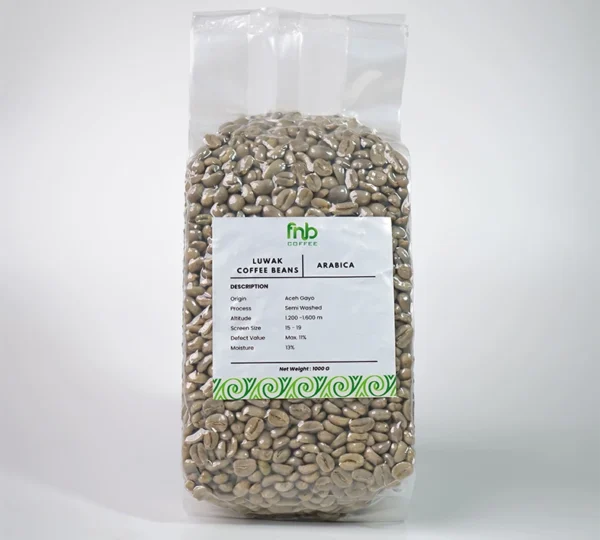
Kopi Luwak Coffee
Note:
* The minimum purchase requirement is USD 100.
* Phyto + Quarantine only for Green Bean USD 28 per order.
Not sure yet? Get a free sample with a USD 100 deposit! Request Sample

I’m Tania Putri, a passionate content writer who truly loves coffee and the stories behind every cup. For me, writing isn’t just about words it’s about creating connection. I specialize in SEO-friendly content that feels natural, human, and engaging, especially in the world of specialty coffee.
I enjoy exploring everything from origin stories and flavor notes to pricing insights and global coffee trends. Whether I’m writing about rare kopi luwak or Ethiopian heirloom beans, I always aim to blend strategy with warmth. Coffee inspires me, and through my writing, I love sharing that passion with others.
Tags: civet coffee fnb tech luwak coffee